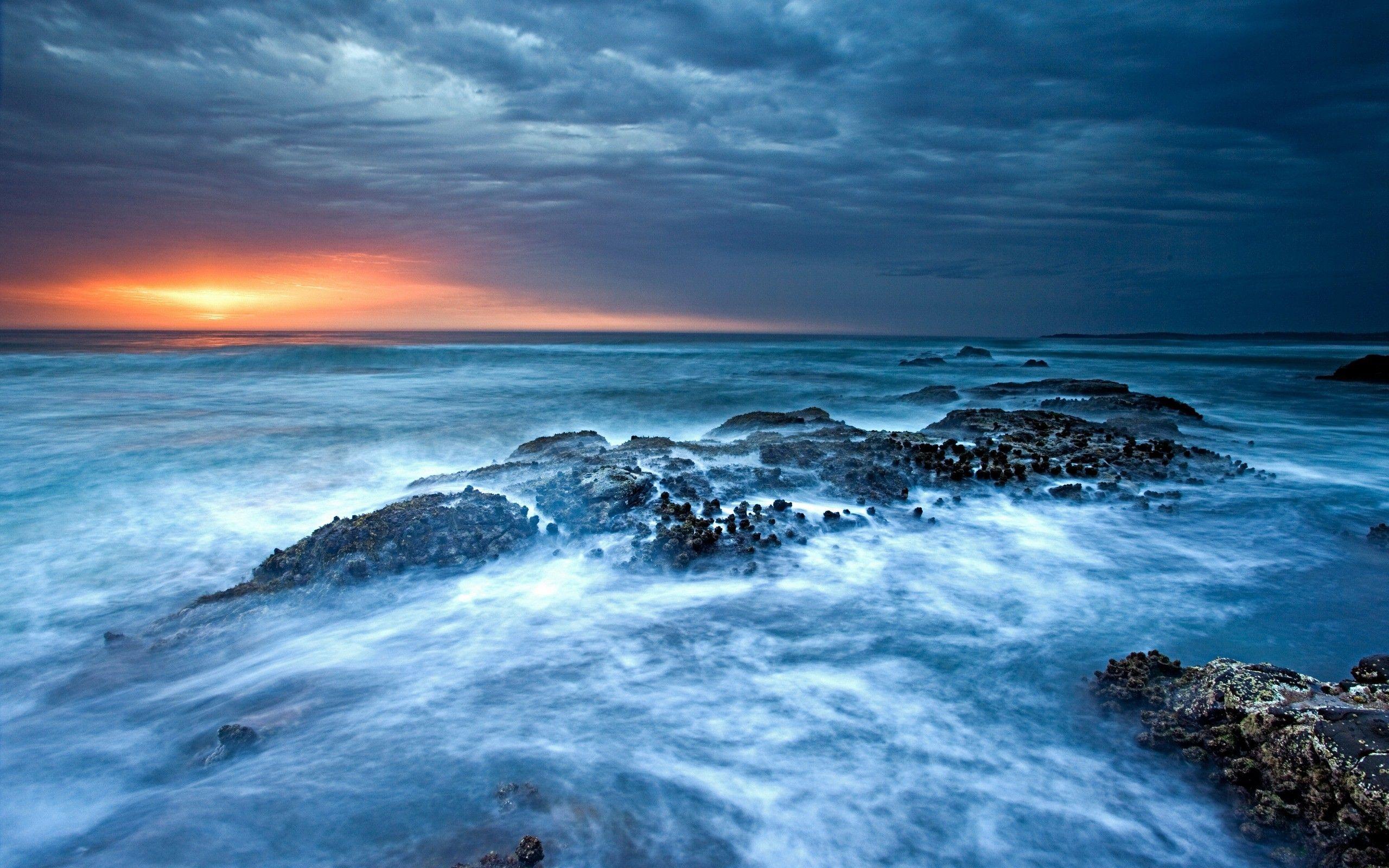
The ocean does not negotiate. It does not pause to check flags of convenience or cross-reference corporate registries. It simply exerts weight, pressure, and infinite cold until something gives way.
Consider the MV Ocean Winner. Two hundred and twenty-five meters of steel. A floating behemoth designed to swallow thousands of tons of iron ore from the coast of Odisha and haul it toward the neon hum of Singapore. To anyone tracking spreadsheets in corporate offices, it was a asset code, a logistics line, a routine movement of global commerce.
Then came the static.
Somewhere in the swelling expanse of the Bay of Bengal, roughly two hundred and forty nautical miles off the Paradip coast, the coordinates flatlined. No dramatic final broadcast. No cinematic distress flare arching into a stormy sky. Just the abrupt, terrifying silence of a tracking system losing its ghost.
Twenty-four human beings were breathing inside that steel cage. Twenty citizens of China, three from Myanmar, one from Bangladesh. Fathers, sons, brothers, and cooks who knew the rhythmic, metallic heartbeat of the engine room better than the faces of their own children. They were names on a manifest that suddenly transformed into a desperate grid search.
When communication dissolved, the invisible machinery of maritime survival jolted awake. The Maritime Rescue Coordination Centre picked up the alarm. Across the vast, dark water, the merchant vessel MT Aisopos was wrenched from its course, redirected by the International Safety Net into a patch of ocean where reality had dissolved into chaos.
Imagine sitting on the deck of a passing ship, scanning an empty horizon where waves rise like dark hills, searching for a speck of orange. Imagine the raw isolation.
Hours bled away. The Indian Coast Guard pushed out its grey-hulled defenders—the ICGS Varad, the ICGS Anmol, and reinforcements launched from Sri Vijaya Puram. They sliced through the swells, looking for liferafts in a watery desert.
And they found them. Two souls, plucked from separate, bobbing rubber islands against a backdrop of indifferent water. Two survivors pulled onto the deck, shivering, chest-deep in shock, listening to the roaring wind while twenty-two of their companions vanished into the deep.
We talk about global trade as if it were an abstraction of ports, tariffs, and supply chains. We forget that it runs on human blood, salt water, and fragile hulls pushed to their absolute limits. The iron ore resting in the cargo holds of the Ocean Winner was meant to build skylines, but it ended up at the bottom of the trench, a monument to the silent cost of the things we consume.
Right now, far off the eastern coast, the searchlights sweep the dark troughs of the sea. The surface of the water closes over a tragedy without leaving a scar, leaving only ripples, questions, and the endless, heavy wash of the tide.