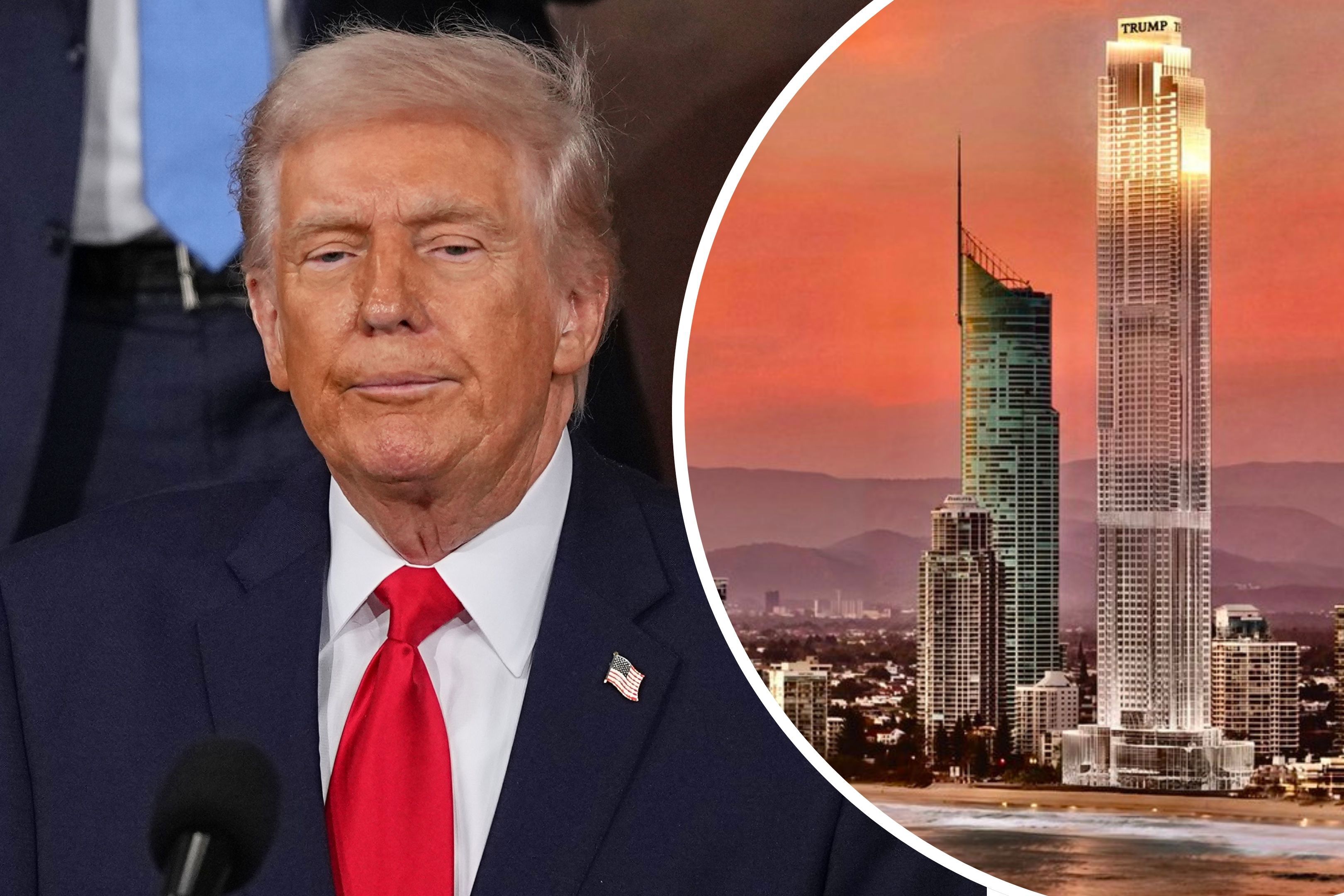
The recent news that plans for Australia's first Trump Tower on the Gold Coast have been "scrapped" because of a "toxic" brand is a masterclass in corporate cowardice. It is the kind of safe, vanilla decision-making that keeps Australian real estate stuck in a cycle of repetitive glass boxes and predictable yields.
The developer claims the brand is a liability. That is a lie. The brand isn't the problem. The developer’s inability to navigate high-stakes volatility is the problem. In the world of ultra-high-net-worth real estate, "toxic" is often just a synonym for "too loud for our quiet comfort zone."
The Myth of the Toxic Premium
Industry analysts love to harp on about brand risk. They see a controversial name and immediately forecast a decline in asset value. This is a fundamental misunderstanding of how luxury psychological pricing works.
Luxury isn't about universal appeal. It is about exclusion.
By definition, a brand that everyone likes is a commodity. Think of a generic Marriott or a Hilton. Nobody hates them, but nobody is obsessed with them either. The Trump brand, regardless of your political alignment, functions on the principle of hyper-polarization. For every person who wouldn't be caught dead entering the building, there is a buyer in Southeast Asia, the Middle East, or the local mining sector who sees the name as a symbol of unapologetic, gold-plated defiance.
When a developer pulls the plug and blames the brand, they aren't saving the project. They are admitting they don't have the stomach to market to the 10% of the population that actually has the money to buy a $15 million penthouse. They are retreating to the safety of the "unoffensive," which in the Gold Coast market, is a death sentence by boredom.
The Australian Tall Poppy Real Estate Syndrome
Australia has a specific cultural neurosis when it comes to "loud" international brands. We want the global status, but we want it to be polite. We want the Ritz-Carlton or the St. Regis—brands that whisper "wealth" in a way that won't upset the neighbors at a Sunday BBQ.
The Gold Coast, specifically, was built on the back of "white shoe brigade" audacity. This is a region that exists because people were willing to be tacky, bold, and aggressive. To see a developer there blink because a brand is "too controversial" shows a total detachment from the DNA of the city.
The argument that the brand would hurt the resale value is a fallacy. Look at the data from Manhattan to Chicago to Istanbul. Trump-branded properties frequently command a "celebrity premium" in rental markets and secondary sales because they are landmarks. You aren't buying square footage; you are buying an address that people have to have an opinion on.
The Cowardice of the "Safety First" Strategy
Let’s look at the mechanics of this failure. A developer spends years in planning, secures a prime site, and then suddenly realizes the former President of the United States is a polarizing figure?
That isn't a discovery. That's a pivot fueled by a lack of vision.
Imagine a scenario where the developer leaned into the controversy. Instead of apologizing for the brand, they marketed it as the only "uncanceled" luxury residence in the Southern Hemisphere. They would have sold out the floor plan in three weeks to high-net-worth individuals who are tired of the sanitized, corporate ESG-compliant aesthetic that dominates modern development.
Instead, we get another generic development. We get a "reimagined" project that will likely be named something meaningless like Azure or The Palms. It will have the same Miele appliances, the same marble counters, and the same soul-crushing mediocrity as the five buildings next to it.
Misunderstanding the Global Buyer
The "toxic" label is a Western media construct that doesn't translate to the global capital flows that actually drive the Australian luxury market.
Investors from Singapore, Hong Kong, and Beijing don't view the world through the lens of Australian domestic sentiment. They view real estate as a hard asset protected by a recognizable global trademark. To them, a Trump Tower isn't a political statement; it's a piece of Western pop culture iconography.
By scrapping the project, the developer didn't protect the Gold Coast from "toxicity." They signaled to international investors that Australia is a provincial market where local PR jitters can derail a multi-billion dollar project. That is far more damaging to our reputation than a gold T on the side of a building.
The Real Cost of Playing it Safe
I have watched developers flush millions down the drain because they were scared of a Twitter mob that was never going to buy a condo anyway.
The fundamental rule of the premium market is that you cannot be everything to everyone. If you try to avoid offending anyone, you end up interesting to no one. The "toxic" brand argument is a convenient exit strategy for developers who likely mismanaged their financing or failed to secure the necessary construction hooks in a high-interest-rate environment.
Blaming the brand is the easy way out. It’s a PR shield that hides internal incompetence.
If you want to build a landmark, you have to be willing to take the heat. If you want to play in the big leagues of global luxury, you have to understand that controversy is a force multiplier, not a deterrent.
The Gold Coast didn't lose a "toxic" tower. It lost its nerve.
Stop pretending this was a moral victory for the community. This was a win for mediocrity, a win for the risk-averse, and a massive loss for anyone who wants to see Australia actually compete on the world stage of iconic architecture.
If you're scared of a brand name, you shouldn't be holding the shovel.