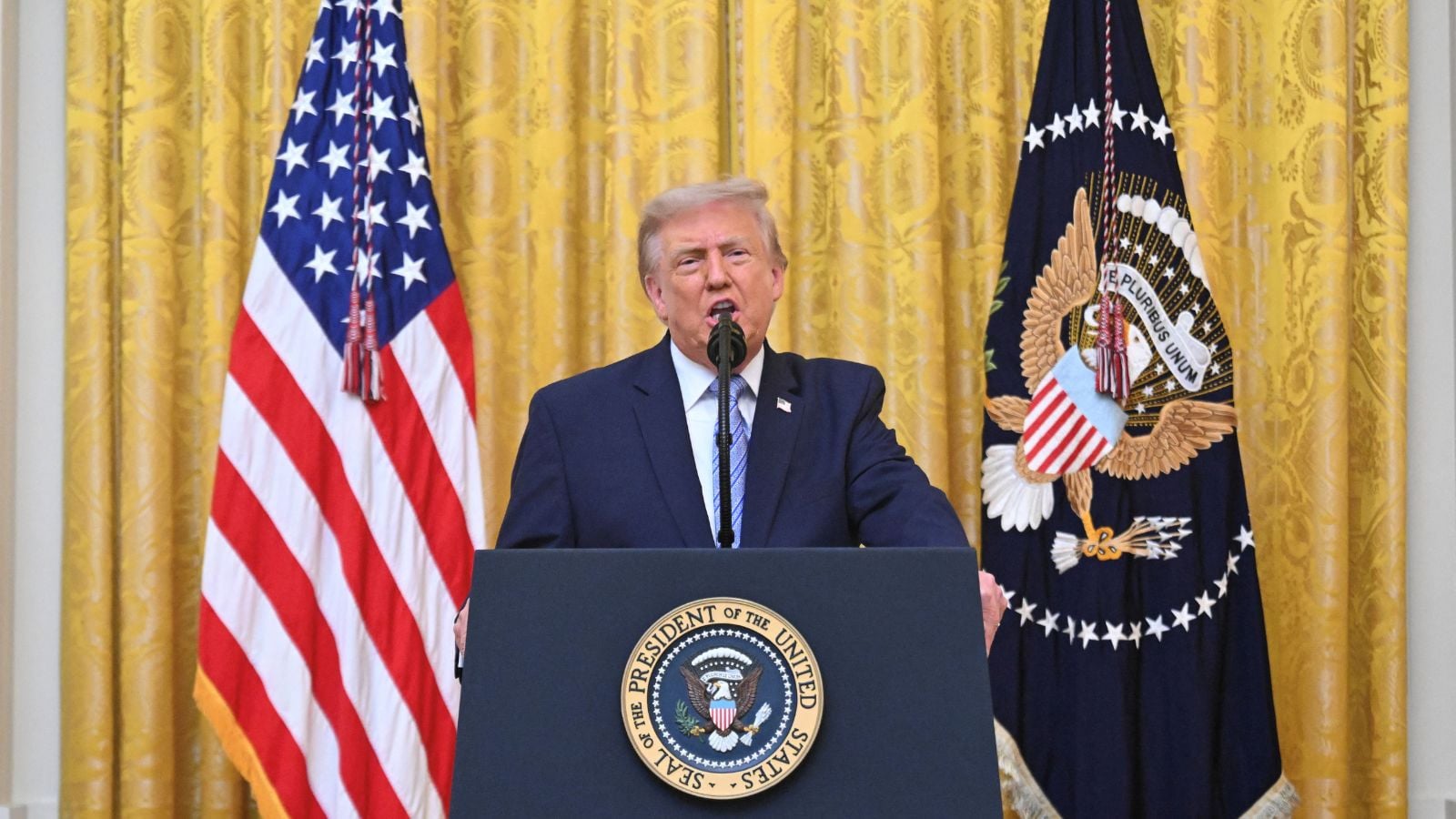
The security architecture of the Middle East and South Asia shifted on August 7, 2026, when Saudi Arabia, Turkey, and Pakistan inked the Mecca Joint Defence Agreement. While diplomats spent months quietly negotiating the terms behind closed doors, U.S. President Donald Trump publicly broke the news on social media by calling the trilateral pact a "big, bold and important first step".
When three heavyweights—possessing major financial resources, a massive NATO military, and an active nuclear deterrent—decide that an attack on one is an attack on all, capitals from Washington to New Delhi take notice. But underneath the flashy rhetoric and Washington's endorsements, what does this alliance actually mean for global stability? Let's break down the reality behind the headlines.
The Core Mechanics of the Mecca Joint Defence Agreement
At its heart, the trilateral pact borrows a page from the Western playbook. The text mandates that an armed aggression against Saudi Arabia, Turkey, or Pakistan will be treated as an assault on all three. Naturally, international analysts immediately slapped the label "Muslim NATO" on the coalition.
However, calling it a direct equivalent to NATO requires some heavy qualification. NATO features decades of integrated command structures, permanent military headquarters, and deeply unified logistics. The Mecca agreement, by contrast, is brand new and currently lacks that deep institutional plumbing.
Instead, the alliance pools three distinct national strengths:
- Saudi Arabia supplies immense financial power and critical geopolitical leverage across the Gulf.
- Turkey brings the second-largest military force in NATO alongside advanced domestic drone technology and electronic warfare capabilities.
- Pakistan contributes vast manpower, specialized defense manufacturing, and its status as the sole nuclear-armed state in the Muslim world.
This combination gives the arrangement a practical weight that goes far beyond a standard diplomatic handshake.
Why Washington is Applauding
Trump's enthusiastic endorsement on Truth Social caught many foreign policy experts off guard. U.S. administrations traditionally approach new regional security blocs with caution, fearing they might complicate American hegemony or regional deployments.
Yet, looking closely at current geopolitical pressures, the White House sees a practical benefit. With the Middle East reeling from prolonged conflicts and persistent threats from proxy groups like the Houthi movement, Washington wants regional partners to carry more of their own security burden. If Riyadh, Ankara, and Islamabad can coordinate regional deterrence independently, it reduces the expectation for American boots on the ground during a crisis. Trump's "big, bold" praise signals a tacit approval of burden-sharing, even if it shifts traditional power balances.
Regional Fallout and Concerns in New Delhi
Every major security pact creates ripples, and New Delhi is currently watching this development very closely. The Indian Ministry of External Affairs stated publicly that officials are examining the implications of the Mecca agreement from the perspective of national security and regional stability.
Given Pakistan's inclusion, New Delhi has ample reason to scrutinize how joint deterrence translates into practical military cooperation. While Turkish officials and Pakistani spokespersons have insisted the pact is entirely defensive and targeted at no specific nation, neighboring states rarely take mutual defense guarantees at face value without seeing how they function in practice.
Furthermore, discussions are already underway about expanding the alliance. Turkish Foreign Minister Hakan Fidan noted that other regional players, such as Egypt, could potentially join down the road. If the coalition broadens, it risks transforming from a localized security pact into a permanent geopolitical bloc that dictates terms across West Asia and South Asia.
Separating Substance from Symbolism
Skeptics argue that the pact is largely symbolic. They point out that despite the mutual defense clause, it remains unclear whether Turkish troops would actually deploy to protect Saudi soil, or if Riyadh would finance a distant Pakistani military campaign during an acute border escalation. Geopolitical alliances are easy to sign on paper and much harder to honor when real blood and treasure are on the line.
Yet dismissing the agreement as mere theater ignores the trajectory of these three nations. For years, regional middle powers have watched U.S. security commitments fluctuate with changing election cycles. They are hedging their bets by building indigenous security networks.
If you want to understand where Middle Eastern and South Asian security is heading, stop looking exclusively at Western capitals. Watch how these three governments structure their upcoming joint military exercises, technology transfers, and intelligence-sharing initiatives. The real test of this alliance won't be found in press releases, but in logistics and shared command rooms over the next few years.