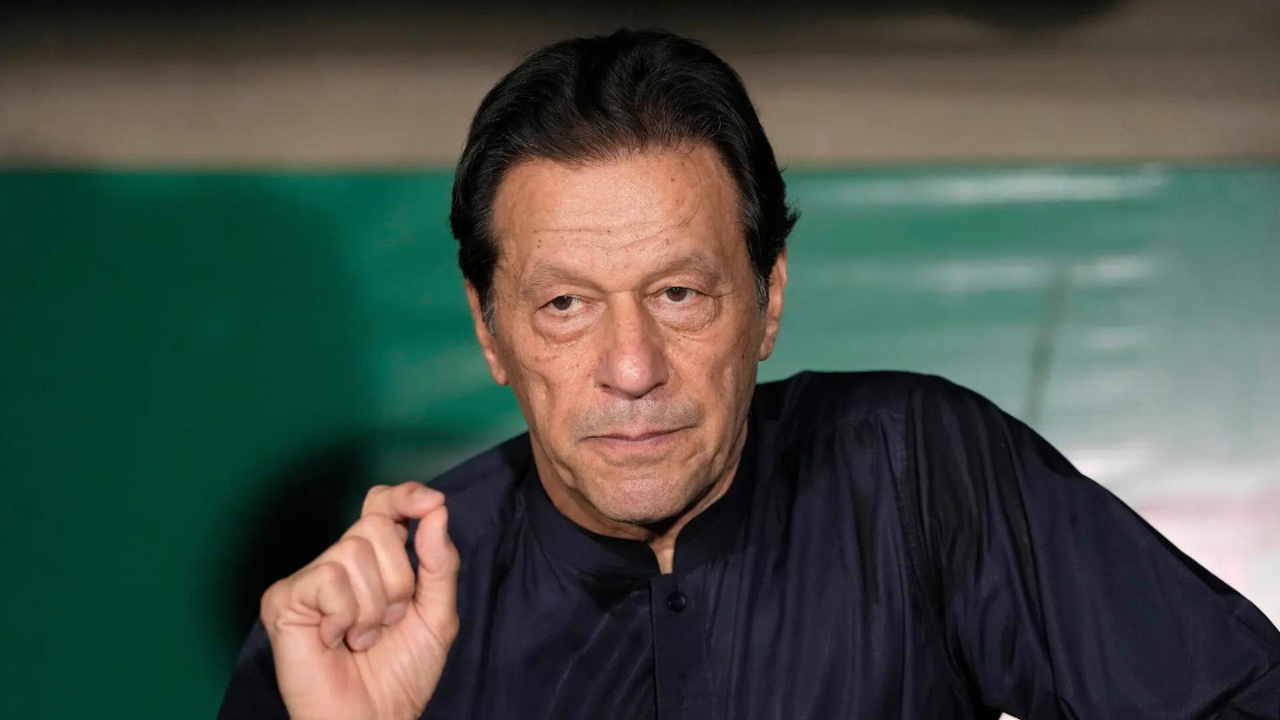
Every few weeks, the rumor mill grinds out another sensational headline claiming Imran Khan is dead, permanently incapacitated, or secretly relocated by military sources. Journalists eager for clicks parrot these unverified claims from unnamed informants, treating statecraft like a bad spy novel. It is lazy, reactionary reporting that misunderstands how authoritarian survival actually functions in Pakistan.
The lazy consensus says the military establishment wants to erase Khan physically to solve its political headache. That theory is completely backward. Keeping Khan alive, isolated, and legally entangled serves the regime's institutional interests far better than turning him into a martyr. Building on this idea, you can also read: Tehran Shatters Iraqi Sovereignty as Regional Blowback Spreads.
I have watched foreign desks and local bureaus fall for anonymous leaks for decades. Every time a panic spreads about Khan's well-being, the establishment achieves two goals without firing a shot: it tests the pulse of street-level resistance, and it sucks all oxygen away from actual policy debate.
Let us look at the mechanics of modern state suppression. Observers at The Washington Post have also weighed in on this situation.
The Martyrdom Trap Nobody Wants to Spring
Martyrs are dangerous. Alive in a concrete cell, Khan is a slow-burning irritation that drains the energy of his own movement through endless court delays and procedural fatigue. Dead or catastrophically harmed, he becomes an immortal rallying cry that no amount of internet throttling or curfew enforcement can contain.
The military high command knows this calculus better than any pundit writing from a comfortable newsroom in London or Washington. History offers a clear precedent. When Zulfikar Ali Bhutto was executed in 1979, the regime thought it was eliminating a problem. Instead, it created an enduring ideological ghost that haunted the state for generations. The current crop of generals studied that history. They are not eager to repeat it.
When an anonymous scribe cites military sources claiming a dramatic change in Khan's status, apply basic skepticism. Why would an institution famously paranoid about operational security leak regime-altering information to a beat reporter? They wouldn't. The leak is either a deliberate probe to gauge public reaction or pure fabrication designed to keep PTI supporters in a perpetual state of defensive anxiety.
The Distraction Economy
Pakistan's political discourse is trapped in a personality cult loop. Every hour spent dissecting whether Khan ate breakfast or saw a doctor is an hour stolen from discussing structural economic collapse, climate vulnerability, and institutional decay.
The establishment thrives on this dynamic. As long as the entire nation fixates on one man's prison conditions, the actual machinery of governance operates without meaningful oversight. Budgets pass, tax structures tighten on the middle class, and judicial independence gets chipped away in relative silence.
Stop treating political survival as a reality TV show. The real story is not whether Khan is breathing inside Adiala Jail. The real story is how a nuclear-armed state has outsourced its entire political legitimacy to a daily cycle of rumor and counter-rumor.
If you want to understand what happens next in Pakistan, ignore the anonymous whispers about midnight transfers and military sources. Look at the balance sheets, the IMF debt servicing schedules, and the quiet consolidation of technocratic control. Khan is a symptom of a systemic fracture, not the fracture itself. Fixating on his personal fate blinds you to the structural rot underneath.
The rumor mill wins only when you buy the ticket. Stop paying for the ride.