The water does not hurry. In Bharatpur, where the Narayani river widens and slows, the current carries a deceptive calm. It laps against the muddy banks with a rhythmic, indifferent whisper. To a casual observer standing on the shore at dusk, watching the sun bleed orange across the flat Nepali plains, it looks like nothing more than an ancient waterway doing what ancient waterways have always done. Flowing south. Leaving the mountains behind.
But the locals know better.
They know that the river has a memory. And sometimes, it gives things back.
Stand here long enough, and the air changes. It is heavy with the scent of wet silt, woodsmoke, and something older, sharper, difficult to name. It is the smell of a community living in the shadow of an unspoken grief. Every monsoon, when the swollen waters churn and tear at the banks, the Narayani coughs up its hidden debris. Sometimes it is driftwood. Sometimes it is the detritus of distant lives washed down from the hills. And, with a heartbreaking regularity that haunts the district, it is human remains.
Consider what happens next. A body surfaces near the reeds. A crowd gathers, pulled by a grim gravity. Faces are masked against the smell, eyes wide and hollow. For the families of the missing, every discovery is a dual-edged blade. It brings a frantic, agonizing hope: Is it him? Is it her? And simultaneously, it delivers the finality they have prayed against for months.
To understand Bharatpur is to understand a quiet tragedy born of geography and water. This is not a place of grand headlines or breaking news alerts that command global attention. It is a quiet corner of Nepal where families live on the razor-thin margin between uncertainty and closure.
Every year, people vanish into the currents. Some slip beneath the surface during the treacherous monsoon floods, swept away before they can scream. Others are victims of accidents, or the quiet despair that sometimes drives souls into the dark water under the cover of a new moon. The river takes them all, indiscriminately. It swallows them whole, tucks them into the deep trenches of silt, and keeps them safe from the world.
Until it doesn't.
Local divers and police officers face an invisible war against physics and time. When a report comes in, they do not hesitate. They step into wooden boats, their arms muscled from decades of pulling against the push of the Narayani. I remember speaking to a local rescue worker last autumn, his hands calloused and stained with river mud. He did not look like a hero out of a movie. He looked tired. He spoke in a low, flat tone that carried the weight of a thousand recovery operations.
"The water hides them," he told me, staring out at the grey expanse. "The river decides when to let go. We just wait for its permission."
That sentence lingered in my mind for days. We just wait for its permission.
Think about the psychological toll of that waiting. In forensic science, ambiguous loss—when a loved one disappears without a body—is considered one of the most agonizing burdens a human mind can endure. There is no grave to visit. No final prayer whispered over a wooden casket. There is only an empty chair at the dinner table, a pair of shoes left by the door, and the constant, gnawing question: Where are they?
The river becomes a monument to that ambiguity. Every time the water level drops, or a new eddy forms, hope flares up in the chests of mothers, fathers, and children who refuse to stop looking. They walk the banks at dawn, scanning the froth for a flash of color, a glint of fabric, anything that breaks the monotonous brown of the water.
Local authorities have tried to stem the tide of tragedy. Better warning systems are deployed. Riverbanks are monitored more closely during the monsoon season. Yet, nature remains largely undefeated. The Narayani does not care about administrative protocols or municipal budgets. It flows according to laws written millions of years ago, when the Himalayas were born and the plains were carved out by ice and rain.
What happens when the river gives up its dead?
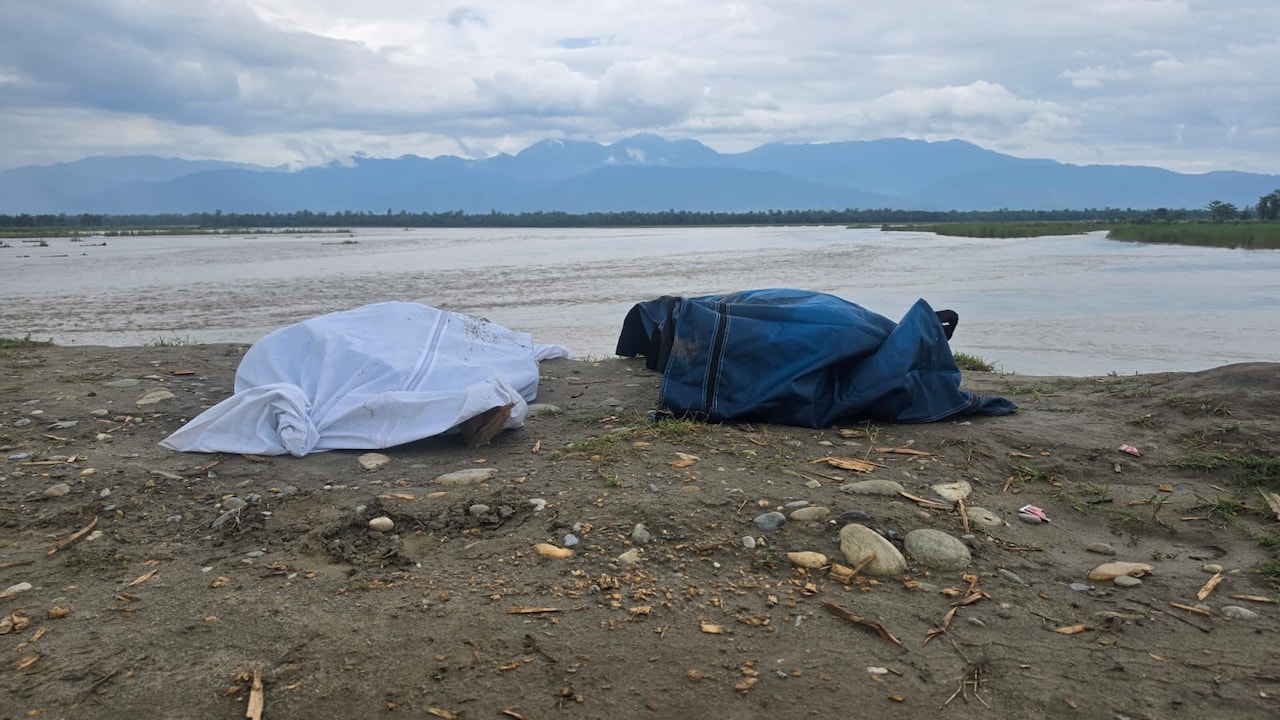
The process is methodical, almost mechanical on the surface, yet shattering underneath. Police cordon off a stretch of muddy bank. Forensic teams move in with white sheets and metal boxes. Flashbulbs pop, recording the grim reality for police reports and missing persons files. Names are matched. DNA samples are taken.
And then, a family's nightmare is officially confirmed.
It sounds strange to call a funeral a relief, but in Bharatpur, it is. To bury a loved one is to finally draw a period at the end of a terrifying, open-ended sentence. Even in tears, there is a strange, fragile peace that settles over the household when the ashes are finally scattered back into the very same river, completing the circle.
The sun dips lower behind the trees. The water turns the color of bruised steel. On the shore, a lone fisherman repairs his net, his movements automatic, practiced, entirely unfazed by the ghosts that drift invisibly beneath his wooden hull. The river keeps moving. It has places to be. And the people of Bharatpur keep watching, bound to the water by love, by loss, and by the eternal, quiet hope that tomorrow, the river might finally keep its secrets to itself.