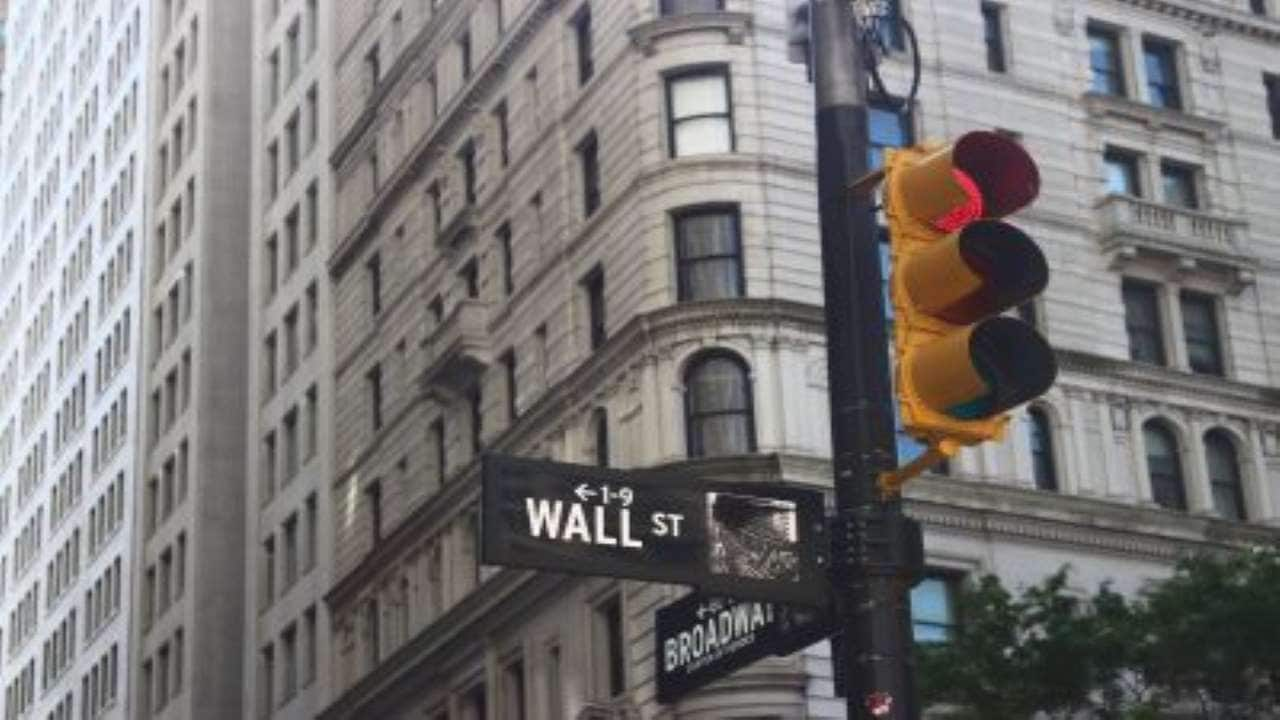
Wall Street is running a victory lap. The Nasdaq and the S&P 500 have hit fresh records, and the trading floors are buzzing with a familiar, manic energy. The narrative is simple and seductive. A ceasefire in the Middle East has calmed the immediate panic, and corporate earnings are coming in ahead of analyst expectations. The bulls are back, fueled by the conviction that the worst of the volatility is behind us. They are wrong.
This rally is not a sign of economic health. It is a reaction to a pause in hostilities and a deliberate misinterpretation of corporate performance. We are looking at a market that has become addicted to short-term narratives, ignoring the structural decay beneath the surface. When you strip away the daily fluctuations and the frantic headlines, the reality is far more expensive and dangerous than the ticker tape would have you believe.
The Ceasefire Trap
Investors treat the current ceasefire between the United States and Iran as if it were a permanent resolution. It is nothing of the sort. It is a tactical delay. Geopolitics in the Persian Gulf remains a powder keg, and the Strait of Hormuz continues to function as a bottleneck for global energy supplies. The market is pricing in stability where there is only a temporary abatement of chaos.
The price of Brent crude has climbed past $100 a barrel, a level that acts as a hidden tax on every sector of the global economy. When energy costs stay this high for extended periods, they do not just squeeze airline margins or transportation firms. They seep into the cost of production for everything from plastics to food. The stock market is acting as if the war is over, while the energy markets are clearly pricing in the reality that the conflict is merely held in check by a fragile diplomatic thread. If that thread snaps, the recent gains will evaporate overnight.
The Earnings Shell Game
Then there is the matter of earnings season. The media is trumpeting the fact that the vast majority of companies are beating analyst expectations. This is the oldest trick in the financial playbook. Analysts spent the last three months slashing their forecasts to the floor, creating a bar so low that almost any corporation with a pulse can step over it.
Beating a lowered expectation is not growth. It is accounting. We are seeing companies claim victory by squeezing costs, reducing headcount, and engaging in aggressive share buybacks rather than investing in real innovation or expansion. The revenue growth is sluggish. The profit margins are under pressure from inflation. Yet, the price-to-earnings multiples continue to expand. Investors are paying more for less earnings quality than they were a year ago. It is a speculative bubble masked as a recovery.
The Inflationary Feedback Loop
The Federal Reserve is in an impossible position. They are attempting to manage an economy that is simultaneously cooling due to high interest rates and overheating due to defense spending and fiscal deficits. The IMF has slashed global growth forecasts for 2026, yet the equity markets behave as if we are entering a period of rapid acceleration.
This divergence cannot last. Historically, when the gap between economic reality and asset prices becomes this wide, the correction is not gentle. It is swift. The market is ignoring the fact that public debt is ballooning. The cost to service that debt is rising, crowding out the very government spending that some investors hope will stimulate the economy. We are witnessing a classic case of denial. Investors believe the Fed will cut rates to save the market, ignoring the fact that inflation remains sticky precisely because of the geopolitical instability that the market chooses to look past.
The Fragility of Passive Flows
Perhaps the most concerning aspect of the current record highs is the mechanics of the market itself. A significant portion of the money flowing into these indices is passive. It is blind capital. It does not analyze fundamentals or geopolitical risk; it simply follows the momentum of the index. This creates a feedback loop where the largest companies get larger simply because they are already large.
This mechanism worked when the economy was growing and interest rates were falling. It creates an extreme vulnerability when the tide turns. Because so much capital is locked into these passive funds, there is no one left to buy the dip when the selling begins in earnest. The liquidity that feels so abundant today can dry up within hours during a market panic.
The current record highs are a monument to complacency. They reflect a belief that the status quo can be maintained indefinitely. But the global order is shifting, the energy environment is precarious, and the corporate earnings being reported are a shadow of true economic vigor. The charts might be pointing up, but the foundations are cracking. When the next shift in the geopolitical or economic reality occurs, there will be no safety net. The traders know this. That is why they are smiling so nervously. They are waiting for the other shoe to drop, and they know exactly how heavy it is going to be.