Picture a student pilot flying solo in the practice area when a sudden ground stop hits nearby airspace. Heart pounding. Radio busy. Fuel ticking down.
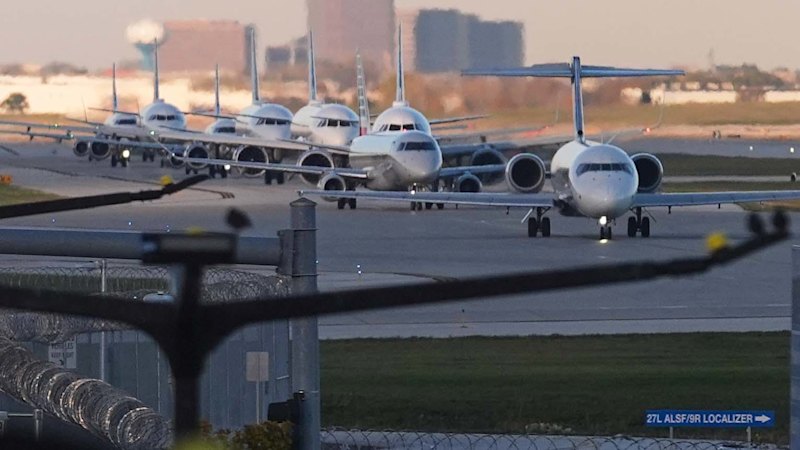
Most people think a ground stop just means planes sit on the tarmac. That's only half true. When air traffic managers issue a ground stop, they're trying to stop new departures from overloading congested sectors, severe weather cells, radar outages, or urgent security events. Yet planes already in the air still have to go somewhere. If a student pilot is up alone on a solo flight, a ground stop can turn a routine training hop into a high-stakes decision on fuel, weather, and airspace boundaries. You might also find this similar coverage insightful: What the Israeli Spy Chief Visit to Washington Really Means for Tehran.
I've spent years around general aviation flight schools and aviation safety briefings. Honestly, the biggest shock for new flyers isn't the radio chatter itself. It's realizing that rules written for calm, predictable skies bend fast when controllers get swamped.
Why a Student Pilot Solo Landing Gets Complicated Fast
A student pilot solo flight is already a big milestone. No instructor in the right seat. Every airspeed check, pattern turn, and radio call belongs to one person with a few dozen hours of total time. As discussed in recent articles by BBC News, the effects are worth noting.
Now drop a ground stop into the picture. What does it actually mean for someone flying solo?
First, a ground stop usually applies to departures bound for a specific airport, ARTCC sector, or region. The Federal Aviation Administration uses traffic management initiatives like ground stops to match demand with safe capacity when weather builds up, staffing tightens, or equipment hiccups happen. If you're already airborne, controllers don't make your plane vanish. They sequence arrivals, hold traffic, or vector aircraft away from weather and busy corridors.
Still, a student pilot faces real friction:
- Controller workload spikes: During weather events or system disruptions, towers and approach facilities juggle reroutes, diversions, and holding patterns. A slow radio call from a nervous student can feel like holding up a line of heavy jets.
- Airspace limits tighten: Solo students operate under strict instructor endorsements. Those endorsements often limit wind speed, crosswind component, visibility, and distance from the home airport. If weather pushes past those limits or a ground stop ties into worsening conditions, a planned home-field landing might become a bad idea.
- Fuel math gets tight: Holding, vectoring, or diverting to a nearby nontowered airport eats into reserves. Even if fuel isn't at emergency levels yet, watching the gauges climb while waiting for landing clearance stresses any low-time pilot.
(Note: Because no specific incident link or report was provided in the reference, any specific flight scenarios below are clearly labeled as illustrative examples rather than claims about a real-world event.)
Ground Stop vs Ground Delay Program in Plain English
People mix these two up all the time. Let's clear it up before going further.
A ground stop is an immediate pause on departures heading toward a constrained destination or airspace area. Think of it like hitting the brakes on incoming traffic right now because a bottleneck just opened up. It's typically short-term—often 15 minutes to an hour or two—while controllers assess weather radar, runway closures, or system status.
A ground delay program, by contrast, assigns specific later departure times to flights over a longer window. Instead of freezing everything abruptly, it meters flow so aircraft don't circle endlessly in the sky burning extra fuel.
For a student pilot already aloft on a solo flight, neither measure directly bans them from landing at an open runway. However, the trigger behind the ground stop—say, a squall line moving across the approach path or a communications outage—can shut down runways or make visual approaches unsafe. That's when a routine solo landing turns into an unexpected diversion or an urgent request to get on the ground early.
What Controllers Actually Do When a Solo Student Is Airborne
Controllers aren't out to trip up students. Most controllers I've talked with have a soft spot for solo flyers. When a pilot keys up and says, "Student pilot, solo," sharp controllers adjust.
They know you're still building speed. They know you might need simpler instructions, a slightly wider base leg, or a clear readback check.
That doesn't mean the sky slows down for you. If a ground stop is tied to fast-moving convective storms, controllers may prioritize aircraft heading out of weather or low on fuel. If a ground stop is tied to radar or automation issues, traffic flow becomes more manual, which means fewer shortcuts and more cautious spacing.
Here's a trap many new pilots fall into. They try to sound like airline captains. They rush readbacks, swallow syllables, or guess at an unfamiliar clearance instead of asking for clarification.
Bad move. Aviate, navigate, communicate still rules. Fly the airplane first. Keep your heading and altitude steady. Then talk plain and clear. "Tower, Cessna 12345 is a student solo, ten miles west, requesting landing instructions." Nine times out of ten, that sentence buys you patience and clear guidance.
Illustrative Example How a Solo Flight Can Shift Mid-Air
Imagine an illustrative example of a student pilot flying solo in a single-engine trainer on a clear morning. The plan is simple: three touch-and-goes at the home airport, then taxi back.
Halfway through the session, convective build-ups pop up west of the field, and a ground stop is issued for arrivals and departures affecting nearby congested airspace as storms move toward the corridor. Wind shifts gustier at the surface, right near the student's solo crosswind limit.
What happens next?
- The student spots the change early: Hearing other aircraft get rerouted and checking automated weather broadcasts shows gusts picking up and storm cells drifting closer.
- The student declares student solo status: Instead of improvising a tight turn to squeeze in ahead of traffic, the pilot calls tower early and asks for a straight-in or full-stop landing rather than more touch-and-goes.
- Tower sequences a full stop: Even with busy traffic and weather shifts, tower gives a full-stop clearance so the student gets safely on the ground without lingering in worsening wind.
- Post-flight debrief happens: The student calls the flight instructor right away, reviews the wind and weather shift, and logs what went right—and what felt rushed.
That's kinda how good judgment looks in real life. Ending the flight early on a full stop isn't quitting. It's smart airmanship.
Misconceptions That Trip Up New Flyers and Readers
Headlines about a student pilot making a solo landing during a ground stop sound dramatic. Sometimes they make it sound like the plane was falling out of the sky or violating federal law. Usually, neither is true.
Misconception 1: A ground stop means no plane can land.
False. Ground stops target departures headed into constrained airspace or airports. Aircraft already flying still need to land safely somewhere.
Misconception 2: A solo student can't talk to approach or center controllers.
False. Solo students fly in controlled airspace all the time once endorsed by their flight instructor. You don't need a private pilot certificate to talk to air traffic control; you just need training, proper endorsements, and solid radio habits.
Misconception 3: Diverting to another airport means you failed.
Honestly, this one hurts safety more than people realize. New pilots sometimes force a landing at a gusty or crowded home airport because they feel embarrassed to divert to a quiet nearby field. Diverting when weather, traffic, or fuel margin tilts the wrong way is a win, not a failure.
What Flight Instructors Drill Before Cutting a Student Loose
Ask ten certified flight instructors what separates safe solo students from risky ones, and you'll hear the same themes over and over. Book smarts matter, sure. Ground school gets you through the written test.
Out on the ramp, though, instructors watch how you handle surprises.
- Go-around discipline: Can you commit to a go-around at 50 feet without hesitation when an approach looks high, fast, or crooked? Many runway incidents start because a pilot tries to salvage a bad approach instead of going around.
- Weather trend awareness: Do you only look at current numbers, or do you notice clouds building, winds veering, and radar trends shifting?
- Fuel conservatism: Do you pad your fuel margins so a delay doesn't turn into a stressful low-fuel call?
- Knowing when to ask for help: Asking "say again" or "unable due to student solo limits" isn't weakness. It keeps you inside safe boundaries.
Data from the Aircraft Owners and Pilots Association and FAA safety reports consistently point back to fundamentals: loss of control, weather encounters, and off-airport or botched landings account for a huge share of general aviation accidents. None of those require exotic emergencies to start. A simple change in wind or traffic flow can light the fuse if a pilot gets behind the airplane.
Practical Next Steps for Student Pilots and Aviation Readers
If you're training for your pilot certificate right now, treat sudden airspace disruptions like a mandatory part of your mental toolkit. Don't wait until your checkride—or an unexpected ground stop—to rehearse how you'll react.
- Review your solo endorsements today: Check your logbook endorsements with your instructor. Know your exact wind limits, visibility minimums, and solo radius so you can spot when conditions cross your line.
- Practice plain-language ATC calls: Before your next flight, rehearse short, calm requests for a full-stop landing, a 360-degree turn for spacing, or a diversion to a nearby airport.
- Build a personal "out" list: Pick two or three nearby airports along your training route before you take off. Know their runway lengths, frequencies, and traffic patterns ahead of time.
- Debrief every weird flight: Whenever traffic, weather, or ATC surprises you, walk through it with your instructor on the ground while the details are fresh.
Safe flying isn't about never hitting a bump in the plan. It's about staying ahead of the airplane when the plan changes mid-flight.