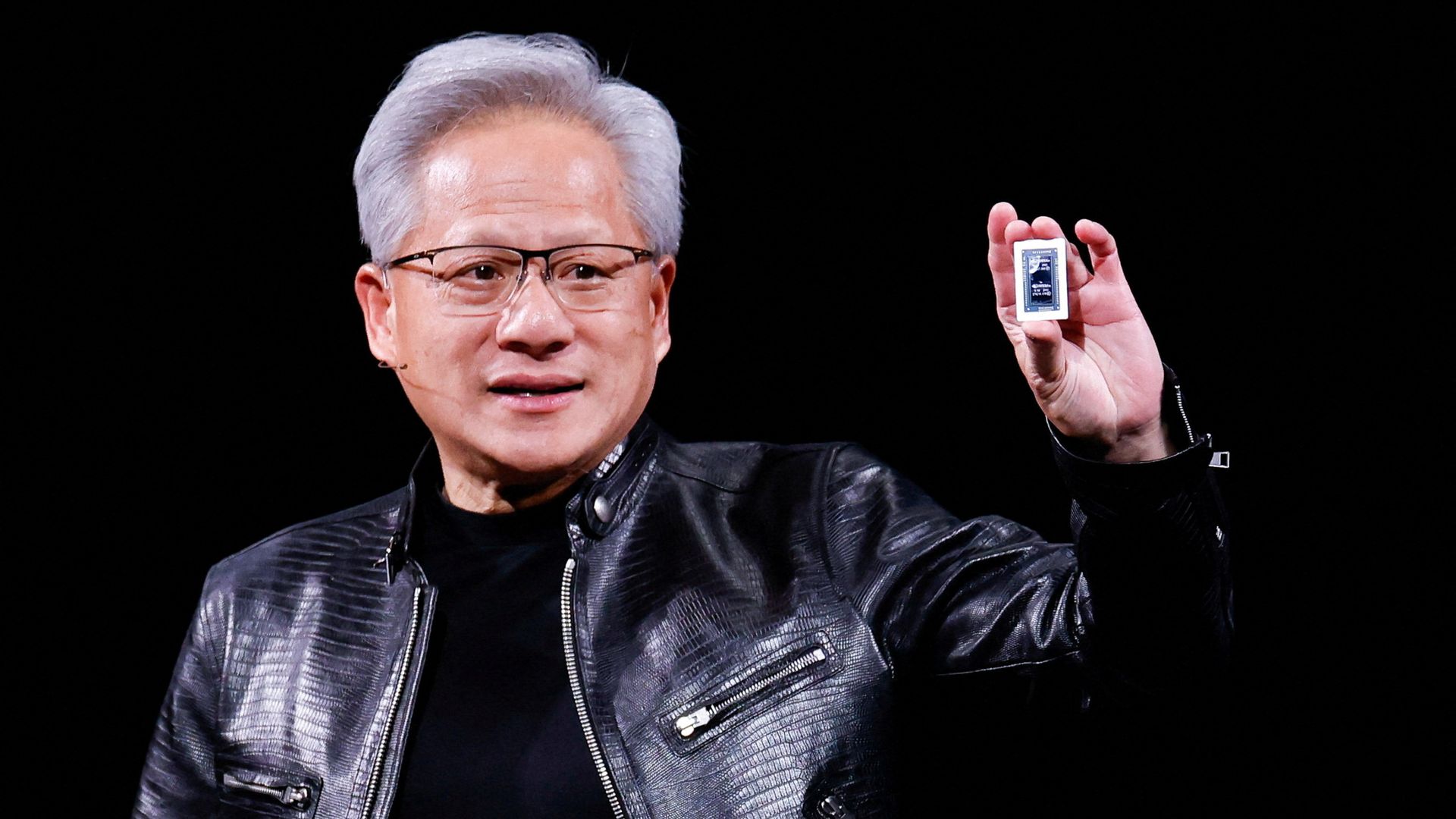
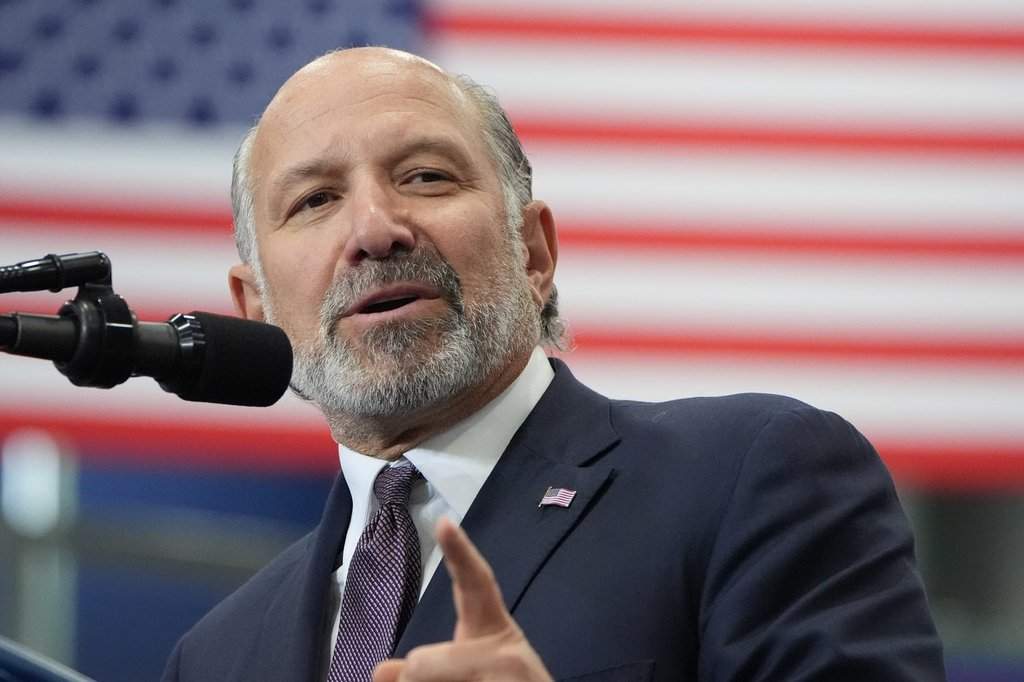
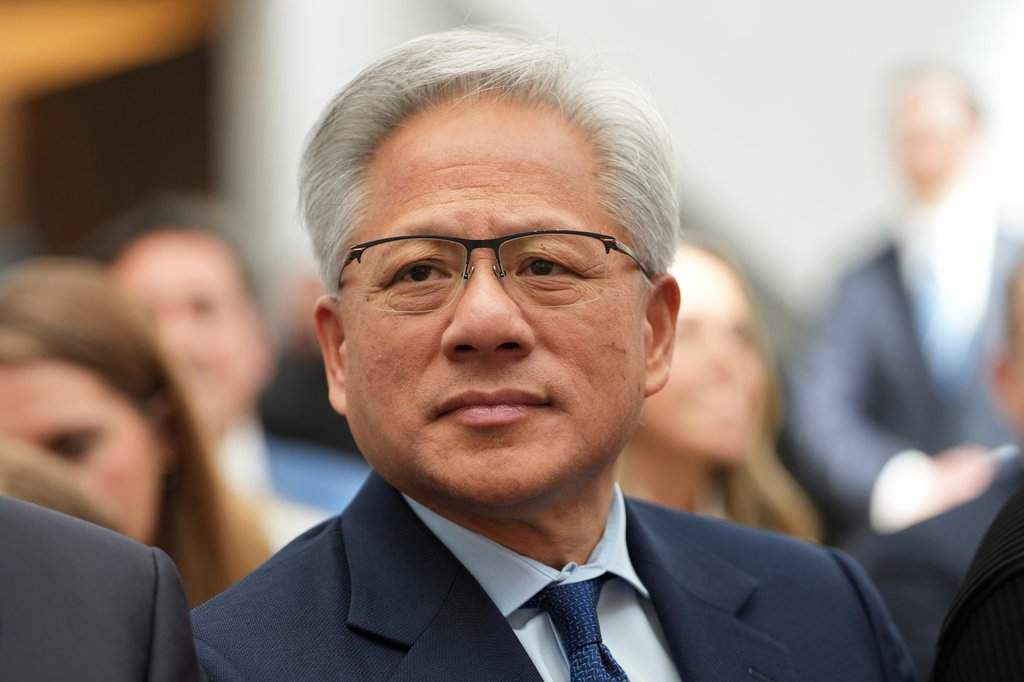
Five days after walking away from the most powerful seat in artificial intelligence, Jensen Huang did something Wall Street didn't expect. He broke his silence and offered to come back.
That single November 17 statement didn't just trigger a massive market swing—it sparked one of the wildest 15-day boardroom reversals in corporate history. If you only caught the initial headline about Jensen Huang being open to return as Nvidia CEO, you missed the real story of how political pressure, a $400 billion market wipeout, and a panicked board turned a "hard no" into a unanimous reinstatement in less than a week. Meanwhile, you can explore similar stories here: What Most Shoppers Get Wrong About Early Black Friday Deals on Amazon and PlayStation.
The Statement That Started the Comeback
Let's look at what actually happened on Tuesday, November 17, 2026. Huang had resigned on November 12 following revelations of multiple extramarital affairs—including one with an employee and another with Alice Huang, an executive at Singapore-based cloud firm Megaspeed whom U.S. authorities suspected of having ties to Chinese intelligence.
For five days, the man in the leather jacket vanished from public view. Then he posted a carefully worded message on X. To understand the bigger picture, we recommend the recent analysis by ZDNet.
He didn't make excuses. He admitted he failed to live up to Nvidia's standards, owned his personal mistakes, apologized to his wife Lori and their children, and pledged full cooperation with the board's independent investigation. Then came the line that sent trading desks into a frenzy:
"If the board of directors decides that my return is in the best interest of our shareholders, our employees, the company and America, I would be honored to answer these calls and return as CEO."
Within ten minutes of that statement hitting the wire, Nvidia gained roughly $90 billion in market value. Investors weren't reacting to corporate governance best practices. They were reacting to survival. Since the scandal broke on November 8, Nvidia's stock had cratered by nearly 33%, erasing more than $400 billion in value and dragging down the broader tech market.
Why the Board Initially Slammed the Door
Here's what most surface-level news reports gloss over: Nvidia's board of directors didn't welcome Huang's olive branch at first. They rejected it flatly.
Later that very same evening—November 17—during Nvidia's third-quarter fiscal 2027 earnings call, newly appointed Board Chair Harvey C. Jones addressed the elephant in the room. Jones told investors directly that the board "does not intend to reinstate Jensen as CEO". He emphasized that the search for a permanent replacement was already underway, looking at both internal and external candidates, and expressed full confidence in Interim CEO and CFO Colette Kress.
At the time, the board's stance made total sense on paper. They had just created a brand-new National Security and Export Control Oversight Committee chaired by former Goldman Sachs vice chair Suzanne Nora Johnson. Regulators were circling. Reinstating a founder who had just violated the company's own code of conduct while a national security investigation remained open looked like corporate suicide.
Except Nvidia isn't a normal company. And Jensen Huang isn't a replaceable executive.
The Pressure Cooker Behind the Reversal
Between November 17 and November 22, three massive forces collided to break the board's resolve.
1. The White House Intervened
Normally, Washington stays out of Fortune 500 CEO appointments. Not this time. Both President Donald Trump and Tesla CEO Elon Musk publicly called for Huang's reinstatement. On November 20, Trump told reporters he wanted Huang to "make a big apology and go back". Behind the scenes, Trump and Vice President JD Vance reportedly spoke directly and indirectly with board members to make the case that keeping Huang sidelined was hurting American AI dominance.
2. Senior Officials Cleared the Immediate Security Hurdle
The biggest obstacle for directors wasn't the personal affair—it was espionage. Late in the week, senior U.S. government officials briefed Nvidia's board that no national security laws had been violated and that Attorney General Todd Blanche did not possess evidence of unlawful conduct by Huang. While Beijing denied the spying allegations and intelligence agencies hadn't publicly proven Alice Huang acted as an agent, that government briefing gave directors the legal cover they needed.
3. The "Key-Man" Panic Was Real
Inside the company, more than 158,000 people—including a massive wave of employees—signed an open letter demanding Huang's return. Meanwhile, Wall Street was losing its nerve. Without Huang acting as AI's chief diplomat, supply-chain architect, and evangelist, analysts openly questioned whether Nvidia could defend its moat or hit its aggressive fiscal 2028 revenue growth targets. Remember, Huang also holds roughly 3.5% of Nvidia's stock, giving him serious shareholder clout on his own.
Six Days Later, the "No" Became a "Yes"
Over the weekend of November 21 and 22, Huang and the board held two intense, closed-door meetings. Directors later stated that those conversations satisfied them regarding Huang's "candor and ability to lead".
On Sunday, November 22, the board voted unanimously to reinstate Jensen Huang as president, chief executive officer, and board director. When the announcement hit on Monday morning, November 23, Nvidia's stock exploded upward by more than 31% in a single session, sparking a massive rally across the Nasdaq and semiconductor sector. Colette Kress stepped smoothly back into her role as CFO, and Harvey Jones remained board chair.
A day later, at an all-hands meeting at Nvidia's Santa Clara headquarters, Huang stood in front of hundreds of employees and didn't hide behind corporate speak. He called it the hardest company meeting of his life, admitted he had hurt his colleagues and family, revealed he was attending 90 minutes of therapy every day, and promised to be a better leader the second time around.
Why This Isn't Over Yet
If you think Monday's stock surge means Nvidia is completely out of the woods, you're not paying attention to Washington.
Huang's comeback solved Nvidia's immediate leadership vacuum, but it didn't make the investigations disappear. Governance watchdogs, including Morningstar's Lindsey Stewart, have pointed out that reinstating an executive before an independent probe concludes raises serious oversight questions. To patch those holes, Nvidia is actively hiring a new Chief Compliance Officer who will report straight to the board's Nominating and Corporate Governance Committee.
More importantly, Huang's toughest test happens in December. He is scheduled to sit for a transcribed interview before the House Intelligence, Foreign Affairs, and China committees on December 1, followed by a public, live-streamed Senate Banking Committee hearing on December 3. The SEC and Justice Department inquiries haven't vanished either.
How Investors and Tech Leaders Should Play This
Watching the world's most valuable chipmaker nearly tear itself apart in two weeks offers clear lessons if you hold tech stocks or run a business:
- Watch the December Congressional hearings closely. The market priced in Huang's return, not what he might have to disclose under oath on December 1 and December 3. Expect sharp volatility around those dates.
- Track the new governance guardrails. Pay attention to who Nvidia hires as Chief Compliance Officer and how much teeth the new National Security and Export Control Oversight Committee actually has. Strong independent oversight will protect the stock from future governance discounts.
- Never ignore key-man risk in your own portfolio. Nvidia's 33% drop and 31% rebound proved that even a multi-trillion-dollar titan can trade like a volatile startup when its founder's status is in doubt. Position-size accordingly when a single executive is synonymous with the brand.
Jensen Huang asked for his job back, the board initially refused, and reality forced both sides back into the same room. He has the title again—now he has to survive Congress to keep it.