The dust kicked up by Apache attack helicopters and M777 howitzers over the Mahajan Field Firing Range in Rajasthan tells only half the story. When United States Ambassador Sergio Gor touched down to observe Exercise Yudh Abhyas, the diplomatic apparatus framed it as another routine milestone in bilateral security ties.
Strip away the press releases, and a more complex reality emerges. Modern military cooperation between Washington and New Delhi is no longer merely about buying hardware or executing staged photo opportunities in the desert. It is an urgent attempt to bridge deep-seated institutional divides, incompatible logistics chains, and distinct strategic doctrines before a genuine regional crisis forces the issue.
Military exercises are fundamentally diplomatic theatre with live ammunition. Yet, beneath the political posturing, operational integration is where partnerships either succeed or disintegrate. For decades, the Indian Army and the United States military operated in entirely separate universes. Their command structures, communication architectures, and supply lines were built for different continents and adversaries. Exercises like Yudh Abhyas exist to force these disparate systems into contact, exposing the friction points that diplomatic communiqués routinely ignore.
Consider the reality of tactical interoperability. When an American infantry unit and an Indian battalion attempt to coordinate movements under simulated multi-domain warfare conditions, the challenges are immediate. Radio frequencies do not automatically sync. Standard operating procedures for casualty evacuation differ. Digital command-and-control systems speak entirely different cryptographic languages. Fixing these gaps requires hours of grinding, unglamorous field work among junior officers and non-commissioned officers who have to make tactical decisions while overcoming language and procedural barriers.
The inclusion of unmanned systems and counter-unmanned aircraft system drills at the Mahajan Range highlights the accelerating pace of modern warfare. Conflicts in Eastern Europe and the Middle East have rewritten the operational calculus for infantry units globally. Small commercial drones, loitering munitions, and electronic warfare jamming have transformed the tactical frontline. Neither the American nor the Indian military can afford to rely on legacy assumptions about battlefield dominance. By sharing intelligence and operational experience regarding low-cost drone threats, both forces are attempting to adapt their doctrines at an unprecedented speed.
Beyond the tactical level, a profound industrial shift is quietly underway. For years, the bilateral defense relationship was defined by a buyer-seller transactional model. India bought major platforms, and American defense contractors delivered them. That model is hitting its expiration date. New Delhi's insistence on domestic manufacturing, technology transfer, and self-reliance means that future defense integration must involve codevelopment rather than simple procurement.
Take the prolonged pursuit of portable anti-tank guided weapons as a case study. The logistical footprint required to maintain advanced weaponry across diverse terrains demands local maintenance hubs, indigenous supply chains, and joint technical expertise. When armies train together with complex hardware, they are simultaneously stress-testing the industrial base that keeps that hardware operational. If a spare part takes six months to clear bureaucratic export controls, the most advanced missile system becomes an expensive paperweight.
Skepticism remains justified. Strategic convergence does not mean strategic identity. India maintains a long-standing tradition of strategic autonomy, refusing to become a junior partner in any Western security architecture. Washington, for its part, frequently struggles to balance export control restrictions with the imperative of arming its partners adequately. These structural tensions do not vanish because ambassadors pose for photographs with frontline soldiers.
Yet, the institutional momentum is real. The frequency and scale of bilateral drills outpace India's military engagements with any other global power. This intensity reflects a shared assessment of shifting power dynamics in the Indo-Pacific region. Deterrence requires credibility, and credibility requires the proven ability to fight side-by-side if deterrence fails.
The true metric of Yudh Abhyas is not found in the thunder of artillery or the public statements of visiting dignitaries. It is measured in the quiet, difficult work of aligning operational habits before an actual conflict tests them.
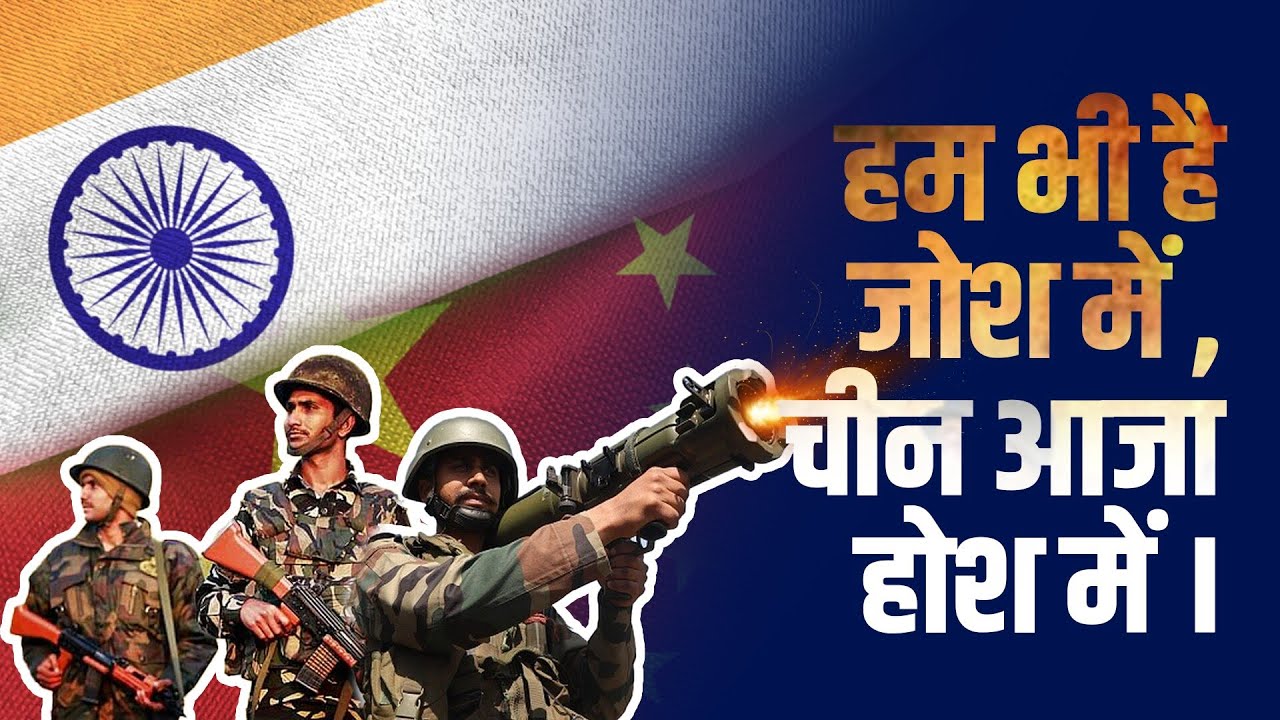
This video provides a brief visual overview of the joint training maneuvers and firepower demonstrations featuring U.S. and Indian forces at the Mahajan Field Firing Range during Exercise Yudh Abhyas.