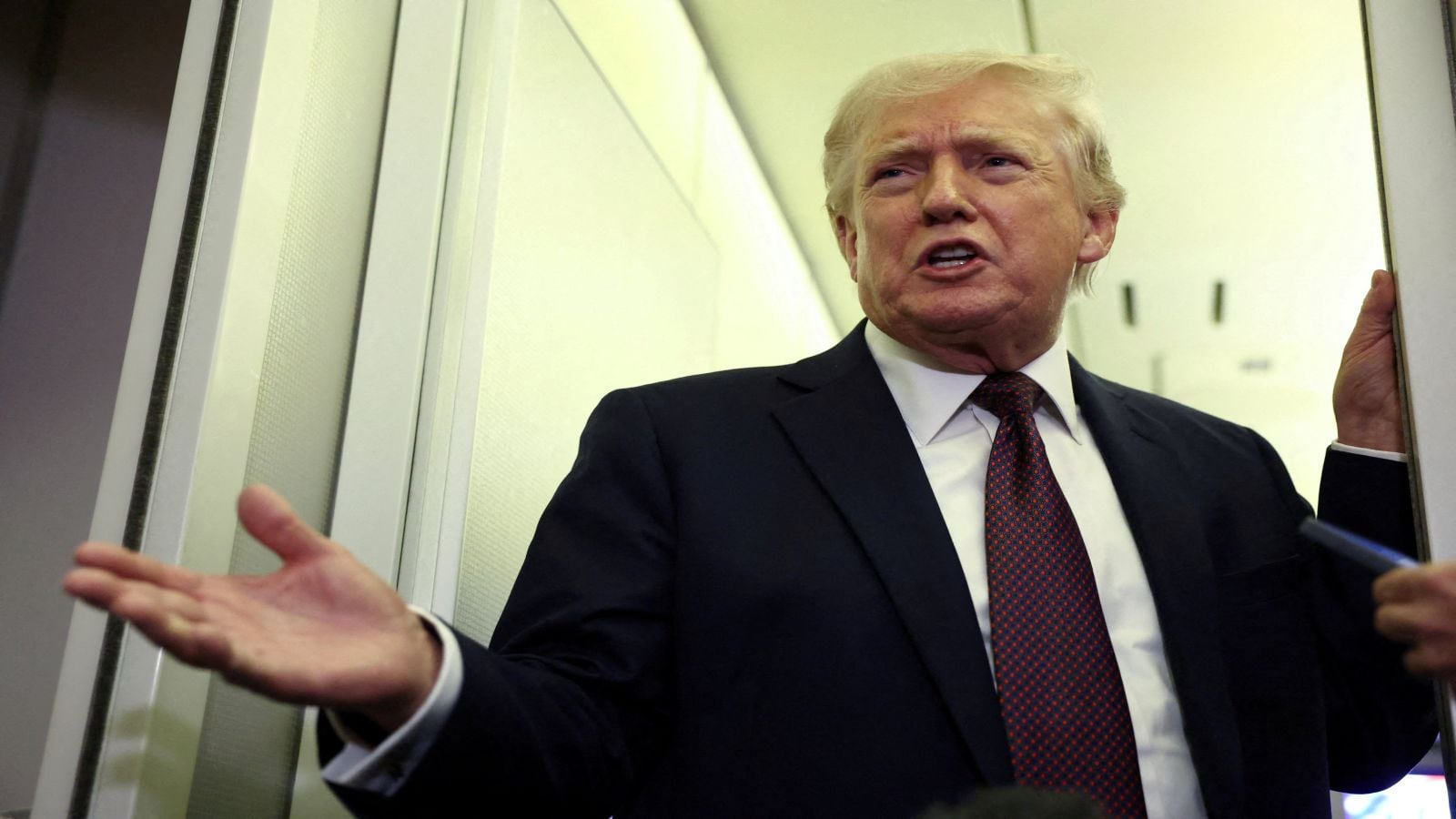
The modern political information ecosystem is no longer designed to inform, but to shock and entertain. When media outlets resort to hyper-literal, violent metaphors—such as depicting elderly politicians in physical cage matches—it signals a deeper systemic crisis in journalism. This reliance on extreme sensationalism is driven by a desperate chase for digital engagement metrics and advertising revenue. Instead of analyzing complex policy decisions, economic shifts, or legislative gridlock, the focus has shifted toward framing political coverage as a high-stakes blood sport.
This shift did not happen overnight. To understand how political reporting degraded into a continuous loop of shock-jock commentary, one must examine the underlying financial incentives of digital publishing.
The Attention Economy and the Death of Policy Analysis
The business model for the vast majority of digital news sites relies entirely on traffic. Programmatic advertising rewards volume, clicks, and time spent on a page, regardless of the substantive value of the content.
When a publication creates content around a highly provocative, fictionalized premise involving public figures, it is a calculated business decision. Outrage and absurdity drive shares on social media platforms. These algorithms are specifically tuned to promote content that triggers strong emotional reactions.
The consequences for public discourse are severe. Complex issues like fiscal policy, foreign diplomacy, and institutional reform require nuance and patient explanation. They do not fit neatly into a viral headline. As a result, newsrooms facing budget cuts strip away investigative resources. They replace seasoned beat reporters with aggregate writers tasked with churning out low-effort, high-provocation commentary. The reader receives a steady diet of theater, while the actual mechanics of governance go unexamined.
How Metaphor Replaced True Investigative Reporting
Political journalism has long used sporting metaphors to describe campaigns. Terms like "front-runner," "underdog," and "political football" are deeply embedded in the lexicon. However, a dangerous line is crossed when the metaphor becomes so vivid and violent that it obscures reality.
The Illusion of Conflict
By treating political disagreement as a literal brawl, media outlets create an illusion of constant, irreconcilable conflict. This framing serves a specific purpose. It keeps the audience in a state of perpetual anxiety.
- Audience Segregation: Readers gravitate toward outlets that validate their anxieties, creating polarized information silos.
- Simplification of Ideology: Complex legislative debates are reduced to a binary win-or-lose framework, ignoring the compromises inherent in governance.
- Erosion of Institutional Respect: When the highest offices in government are associated with low-brow spectacle, public trust in those institutions plummets.
This constant framing of politics as a gladiatorial arena makes actual bipartisan cooperation look like defeat to the public. When compromise is viewed as surrender, governance grinds to a halt.
The Financial Utility of Shock Value
Consider the metrics. A detailed breakdown of a new regulatory framework might attract a few thousand industry insiders. A sensational, absurd headline involving prominent political figures can generate millions of impressions within hours. For executives looking at quarterly revenue reports, the choice is clear. They will choose the spectacle every time, even if it damages the long-term credibility of their brand.
The Search for Substance in a Sea of Noise
Breaking away from this cycle requires a fundamental shift from both content creators and consumers. The public must begin to view news as a utility rather than entertainment.
Relying on subscription-based models rather than ad-supported platforms can help insulate newsrooms from the pressure of clickbait. When readers pay directly for journalism, the incentive shifts from maximizing clicks to maintaining accuracy and depth. Independent investigative journalism is expensive, slow, and often unglamorous. It requires parsing spreadsheets, interviewing reluctant sources, and spending weeks verifying a single data point.
The current trend toward turning every political milestone into a cartoonish battle prevents citizens from making informed choices at the ballot box. Democracy requires an informed populace, not an entertained audience. The persistent demand for cheap thrills in political reporting ensures that the most critical issues facing the nation remain in the shadows, unexamined and unresolved.