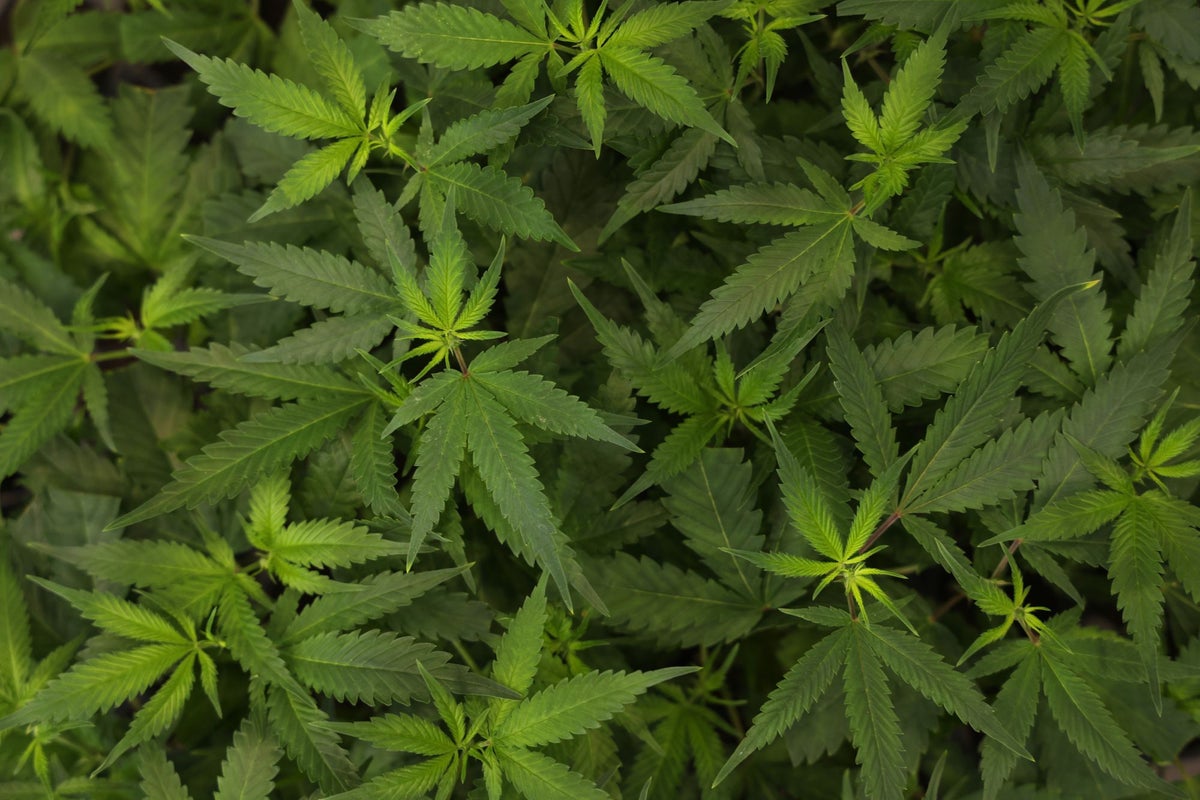
The activist effort to legalize medical cannabis in Idaho remains technically alive, but it is currently pinned beneath a mountain of bureaucratic technicalities and hostile state actions. The Natural Medicine Alliance of Idaho collected over 150,000 signatures—more than double the state requirement of 70,725—to put the Idaho Medical Cannabis Act on the November 2026 ballot. However, a local contractor missed the strict May 1 filing deadline in Minidoka County by exactly five minutes, pulling up to the clerk's office at 5:05 p.m. State Judge Reed Cotten subsequently threw out thousands of those local signatures, providing a major procedural roadblock for the campaign.
While the initiative organizers insist they still have a massive cushion of excess signatures across the state, this five-minute blunder exposes a far larger structural warfare. Idaho remains one of the last true holdouts against any form of cannabis legalization. The technical unravelling of the petition drive is not an isolated incident of bad timing; it is the predictable outcome of a highly engineered, multi-front campaign by Idaho lawmakers to dismantle the citizen initiative process entirely.
The Five Minute Trap and the Residency Rules
To understand the fragility of the cannabis campaign, one must examine the state’s hyper-specific signature collection laws. Idaho law does not just require a total statewide signature count. Organizers must also secure signatures from at least 6% of registered voters in 18 of the state’s 35 individual legislative districts. This geographic distribution rule makes every single rural county a critical bottleneck.
When the courier arrived late at the Minidoka County office, it did not just invalidate a handful of papers. It potentially endangered the entire campaign's compliance with the district-by-district quota. The campaign sued to force the county to accept the late documents, but the court ruled strictly on text, upholding that the statutory deadline means the literal close of standard business hours.
Beyond the clock, the campaign faces an existential audit from the Idaho Secretary of State’s office regarding the residency of the individuals who carried the clipboards. Under Idaho state law, every single signature circulator must be an official Idaho resident and at least 18 years old. The state is currently scrutinizing whether the campaign, which spent roughly $2 million on professional signature-gathering firms, utilized out-of-state workers. If the state determines that non-residents collected signatures, entire bundles will be discarded, erasing the cushion the alliance relies upon.
The Legislative Preemptive Strike
While county clerks verify names, the real battle is happening inside the state capitol in Boise. Lawmakers are not waiting to see if the medical cannabis initiative survives the signature audit. They have already launched a preemptive strike to ensure that even if voters approve medical cannabis in November, it will be the last time citizens ever dictate drug policy.
During the legislative session, lawmakers passed House Joint Resolution 4. This resolution places a constitutional amendment on the very same November 2026 ballot. The amendment asks voters to alter the Idaho Constitution to strip the citizen initiative process of any power to legalize, regulate, or permit scheduled substances.
"Shall Section 26, Article III of the Constitution of the State of Idaho be amended to provide that only the Idaho Legislature shall have power and authority to legalize the growing, producing, manufacturing, transporting, selling, delivering, dispensing, administering, prescribing, distributing, possessing, or..."
If a simple majority of voters approve this amendment, the legislature gains absolute monopoly power over cannabis policy. It would retroactively render the citizen-led medical cannabis initiative entirely toothless.
The Tightening Grip of Draconian Law
This hostile legislative posture matches a broader trend of escalating criminal penalties in the state. While neighboring states like Oregon, Washington, and Nevada have established mature, multi-billion-dollar commercial cannabis markets, Idaho has moved in the exact opposite direction.
A strict law went into effect on January 1, 2026, implementing a mandatory minimum $300 fine for the simple possession of three ounces or less of cannabis, completely independent of any additional jail time judges may see fit to impose. This makes Idaho's possession laws some of the most penal in the Western United States.
The current ballot measure is explicitly designed to bypass this legislative wall by appealing directly to the public's moderate stance on healthcare. The Idaho Medical Cannabis Act is highly restrictive. It does not allow recreational use, nor does it allow patients to grow their own plants at home. It limits production licenses exclusively to businesses that have held active state hemp licenses since 2022, restricts total retail locations across the state to just six, and mandates that all dispensaries be directly overseen by licensed pharmacists.
Despite these conservative guardrails, state leadership views any crack in the prohibition wall as unacceptable.
The Endgame for Direct Democracy
The true crisis in Idaho extends far past the debate over medical plants. It centers on whether the state's populist mechanism for direct democracy will survive the year. The initiative process has historically served as the only functional check on Idaho’s one-party supermajority, famously used by voters in 2018 to force Medicaid expansion against the explicit wishes of the statehouse.
The signature audits will conclude in the coming days as the Secretary of State issues a final determination on whether the Natural Medicine Alliance met its structural goals. If the state finds enough invalid signatures from out-of-state circulators or localized deficits caused by the Minidoka County delay, the measure will be quietly strangled before it ever reaches a voting booth. If the initiative survives the audit, the battle shifts to an expensive marketing war over House Joint Resolution 4, where voters will simultaneously decide whether to grant themselves medical relief or permanently strip themselves of the power to ask for it again.