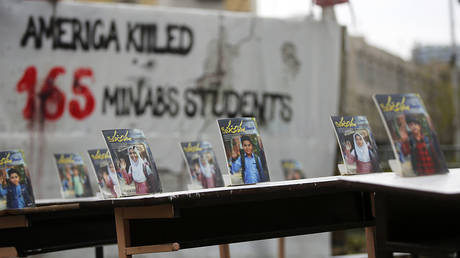
When automation meets military command, the margin for error vanishes in a blur of optimized code. Recent Pentagon findings regarding a devastating strike on an Iranian school in Minab exposed a terrifying operational reality: the heavy reliance on artificial intelligence systems, paired with stale intelligence data, bypassed critical human safeguards.
We talk endlessly about software efficiency, automation speed, and data scaling. We rarely talk about what happens when algorithms process human lives as mere data points.
The Illusion of Infallibility in Military AI
Modern targeting suites like Project Maven—integrating advanced tagging platforms and large language models—can churn out thousands of potential target packages in a single hour. That kind of velocity sounds impressive to defense contractors and tech enthusiasts. On the ground, it creates a dangerous bottleneck of accountability.
When human analysts are buried under a mountain of algorithmically generated recommendations, fatigue sets in. Systems like Palantir's Maven Smart System are built to process vast amounts of imagery, but they don't possess context. They don't know if a facility changed hands, if a military outpost was converted into an educational space, or if children are playing in a courtyard where a missile base used to stand years prior.
Internal Pentagon investigations revealed a systemic thinning of civilian protection teams. Staffing levels designed to minimize collateral damage were slashed, leaving automated filters to do jobs meant for experienced human eyes. Analysts expected the software to catch discrepancies or flag outdated information. The software didn't. It simply processed the old coordinates, confirmed the match based on outdated parameters, and pushed the package down the kill chain.
Why Stale Data Breaks Automated Warfare
The core vulnerability of machine-driven warfare isn't malicious intent. It's the blind trust placed in historical databases.
In the case of the Minab site, the location had spent years cataloged as a military asset belonging to the Islamic Revolutionary Guard Corps. Yet commercial satellite images from subsequent years showed clear physical transformations: brightly painted walls, a football pitch, and active children's play areas.
Human intelligence operatives reviewing these changes would immediately recognize an operational shift. Automated systems trained on historical patterns or weighted toward legacy tags often fail to give proper weight to recent physical updates unless explicitly fed real-time, verified feeds. If the database says a target is hostile, the algorithm optimizes for that conclusion. It doesn't pause to wonder if a school was built on yesterday's military footprint.
Stripping Away Human Oversight
The tragedy highlights a broader cultural shift inside modern defense infrastructure. Speed has become the ultimate metric of success. Leaders want faster targeting loops, compressed decision windows, and immediate operational responses.
When you remove the personnel whose sole job is to question the data, you turn the military command structure into an echo chamber for software output. If the machine flags a target, and overworked commanders lack the time or staff to double-check the underlying intelligence, strikes happen by default.
Technology should assist judgment, not replace it. Until military leadership recognizes that algorithmic speed cannot substitute for rigorous human verification, these catastrophic failures will keep happening. The future of defense technology shouldn't be measured by how many targets it can process an hour, but by how effectively it protects civilian lives from the cold mistakes of automation.
AI Over Reliance Behind US Strike On Iran School In Minab
This video report from September 2026 details how investigative findings from Bloomberg and other outlets revealed that heavy reliance on artificial intelligence and outdated intelligence contributed to the tragic strike on a school in Minab, Iran.