The Tea at the Table
In New Delhi, the ceiling fans turn with a slow, hypnotic rhythm, stirring air heavy with the scent of cardamom and old paper. Across a polished mahogany table, a diplomat who has spent forty years untangling international knots stares at a map of Europe. Outside, the monsoon beats a frantic tattoo against the glass. Inside, the silence is total.
He is not looking at the front lines. He is looking at the grocery bills of a family in Mumbai. He is looking at the price of crude oil ticking upward on a terminal in Singapore. He is looking at a delicate, invisible thread that ties the soil of the Ukrainian steppe to the kitchen hearths of a billion people who have never seen snow.
For months, the conventional narrative in Western capitals cast India as an ambiguous spectator. Observers watched New Delhi buy discounted Russian oil and accused the government of fence-sitting, of playing a cynical game of geopolitical arbitrage. They missed the plot entirely.
India was never sitting on a fence. India was clearing a path.
Consider what happens when a giant wakes up to a burning house next door. It does not grab a bucket of gasoline. It does not scream from the porch. It quietly assesses the wind, checks its own water reserves, and starts walking toward the front door with a quiet authority born of necessity.
The Arithmetic of Survival
To understand why New Delhi is suddenly shifting from a posture of cautious neutrality to active, backchannel diplomacy, you have to abandon the cold abstractions of geopolitics and look at the human ledger.
Imagine Rajesh. He runs a small manufacturing workshop in the industrial sprawl outside Ahmedabad. His machines run on electricity generated by coal, but his raw materials—specialty metals, chemical additives, and agricultural fertilizers—travel along global supply chains that have been fractured by sanctions, blockages, and shipping insurance spikes.
Rajesh does not care about the fine points of European security architectures. He cares about whether his next shipment of fertilizer will arrive in time for the kharif planting season. He cares about whether his electricity bill will double because a tanker carrying crude has to take a three-week detour around a contested sea.
When the war in Ukraine broke out in February 2022, it sent shockwaves through the arteries of the global economy. Wheat prices spiked. Fertilizer shipments vanished. Energy markets convulsed. For a developing nation striving to lift hundreds of millions of people out of poverty, these were not abstract diplomatic crises. They were direct threats to social stability.
India’s leadership understood an uncomfortable truth long before Washington or Brussels fully admitted it: military stalemates do not feed families, and economic strangulation of an entire region creates ripples that drown distant shores.
Prime Minister Narendra Modi’s visit to Kyiv in the summer of 2024—coming shortly after his high-profile visit to Moscow—was not a diplomatic balancing act. It was a signal. It was a clear, unmistakable declaration that India was positioning itself as one of the few global actors trusted enough by both sides to whisper hard truths into closed doors.
The Bridge Builder
Why India?
The question deserves a careful answer. After all, traditional mediation has often belonged to Western powers or neutral European states like Switzerland. But the world has shifted on its axis. The old post-Cold War architecture is fraying. The Global Majority—nations across Africa, Latin America, and Asia—are no longer willing to take their cues from capitals that view global conflicts through a narrow, Eurocentric lens.
India occupies a unique vantage point. It maintains a deep, historic defense and energy relationship with Moscow, forged during decades of strategic alignment. At the same time, it shares a burgeoning economic, technological, and security partnership with the United States and its allies, driven by a shared anxiety over the rise of an assertive China.
This duality is not hypocrisy. It is leverage.
Think of it like a village elder who maintains ties with two warring clans. When everyone else is screaming across the barricades, the elder is the only one who can walk into both compounds without being shown the door.
When Modi stood beside Volodymyr Zelenskyy in Kyiv and spoke of the urgent necessity of dialogue, he was not offering empty platitudes. He was offering the weight of a nation that represents one-sixth of humanity. He was saying: We buy your sunflower oil. We buy your steel. We understand what this war is costing the poorest people on our planet, and we are willing to help you find a way out.
The Mechanics of Quiet Influence
Diplomacy that actually works rarely happens in front of television cameras. It happens in windowless conference rooms at three in the morning, over cold cups of tea, mediated by civil servants who measure their words in milligrams.
When Indian National Security Advisor Ajit Doval travels to foreign capitals, he does not issue public ultimatums. He listens. He maps out red lines. He explores the subtle spaces where a battlefield compromise might intersect with political survival.
What does India actually want out of this engagement?
First, stability. The longer the war drags on, the more vulnerable global supply chains become. Inflationary pressures eat away at the purchasing power of the Indian middle class. Energy volatility complicates the delicate transition toward green energy.
Second, strategic autonomy. India has spent decades cultivating a foreign policy doctrine rooted in strategic independence. It refuses to be a junior partner in any Western coalition, just as it refuses to become economically or politically subordinate to Moscow or Beijing. By acting as a peace-maker—or at least a bridge-builder—New Delhi asserts its status as a leading power that shapes global outcomes rather than merely reacting to them.
Third, a seat at the eventual architectural table. When the guns finally fall silent in Ukraine, the peace that follows will need guarantors, financiers, and diplomatic architects who are acceptable to both the Global North and the Global South. By staying engaged now, India is ensuring its voice will be central when the rebuilding begins.
The Cost of Inaction
There are critics, of course. Foreign policy pundits in Western think tanks often wring their hands over India’s continued purchases of Russian oil, arguing that every barrel purchased helps fund the Kremlin's war machine.
That criticism ignores the alternative. If India had abruptly stopped buying Russian oil, global energy markets would have faced an immediate, catastrophic supply shock. Prices would have skyrocketed past two hundred dollars a barrel. The resulting global depression would have crushed developing economies from Sri Lanka to sub-Saharan Africa, plunging tens of millions back into extreme poverty.
India’s choice was not between supporting war or supporting peace. It was a desperate, calculated maneuver to insulate its domestic economy while keeping the global financial engine from seizing up entirely.
To condemn that pragmatism is to misunderstand the reality of governance in a developing nation of 1.4 billion souls. You cannot eat moral posturing when your citizens need affordable fuel to cook their meals and transport their goods.
The Horizon
Back in New Delhi, the ceiling fan continues its slow, rhythmic rotation.
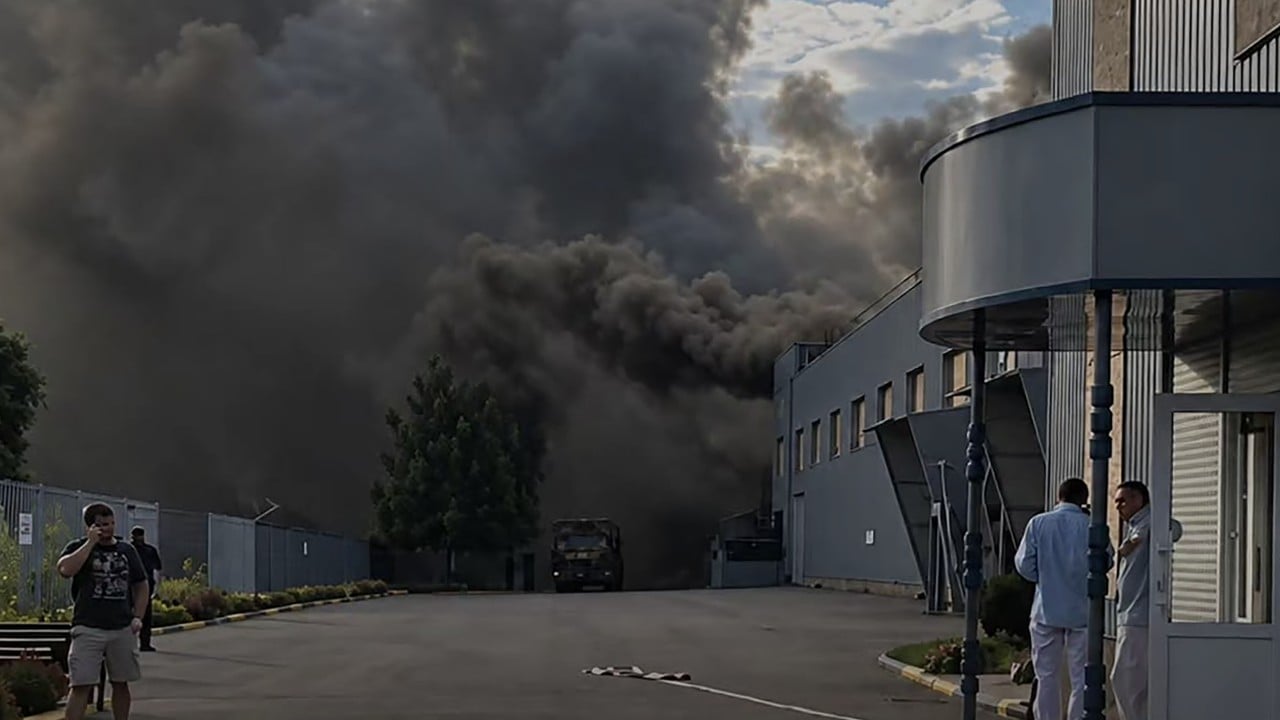
The war in Ukraine grinds on through frozen trenches and drone-filled skies. The human cost remains staggering—countless lives altered, cities shattered, families torn across borders.
Yet, beneath the noise of artillery and diplomatic posturing, something fundamental has shifted. The realization has taken root in capitals from Kyiv to Washington that this war cannot be won solely on the battlefield, nor can it be resolved without the active participation of non-Western powers who bear the indirect scars of the conflict.
India’s serious turn toward ending the war is not a sudden epiphany. It is the natural culmination of a rising nation stepping into its global responsibilities. It is the recognition that in an interconnected world, distant fires eventually reach every doorstep.
The tea has gone cold in the cup. The diplomat closes his folder, stands up, and walks to the window. The rain has stopped, and the clouds are beginning to break, letting a harsh, brilliant sunlight flood the ancient streets below.