Everyone loves pretending the president runs American foreign policy like a solo act. That's a convenient myth for cable news panels, mostly because tracking committee gavels and appropriations riders doesn't make for flashy television.
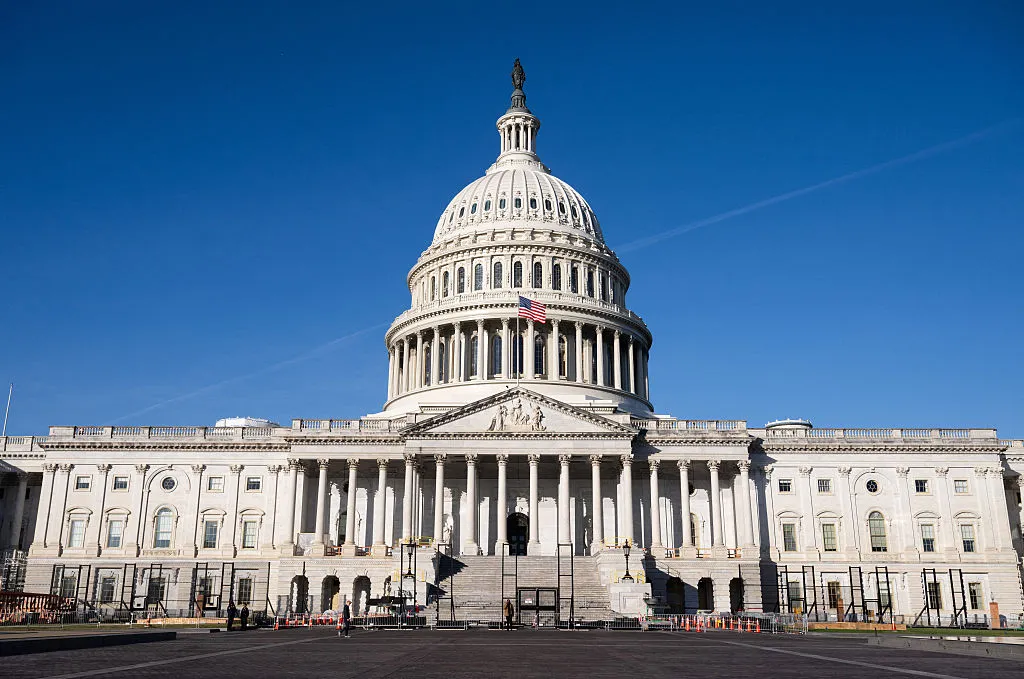
When Democrats gain leverage in Congress after a midterm election—whether by flipping the House, holding the Senate, or tightening margins on key oversight panels—the entire gravitational pull of Washington shifts. Foreign leaders suddenly stop listening exclusively to the White House. Ambassadors start booking quiet meetings on Capitol Hill. And if you want to understand how Democrats could reshape U.S. foreign policy after the midterms, you have to look past the speeches and follow the constitutional levers Congress actually holds.
Three distinct mechanisms drive that shift. First, the power of the purse through foreign aid and defense appropriations. Second, aggressive oversight and subpoena authority over executive branch deals and military deployments. Third, trade and tariff pushback paired with renewed war powers challenges. None of these require sitting in the Oval Office, yet together they can box in an administration faster than any diplomatic cable ever could.
Follow the Money Because the Purse Strings Control the Map
Presidents love announcing grand strategic pivots. Congress decides whether those pivots get funded or starve on the vine.
Article I of the Constitution gives lawmakers the sole authority to appropriate federal dollars, and Democratic appropriators know exactly how to weaponize that power without triggering an immediate constitutional crisis. Instead of passing sweeping ideological bills that face a guaranteed presidential veto, committee chairs attach surgical riders to must-pass legislation like the National Defense Authorization Act (NDAA) or the annual State, Foreign Operations, and Related Programs appropriations bill.
Take security assistance. When Democrats control the House Appropriations Committee or the Senate Foreign Relations Committee, arms sales stop moving on autopilot. Under the Arms Export Control Act, major foreign military sales require formal notification to Congress. While overriding a president's veto on a resolution of disapproval takes a two-thirds majority, committee chairs wield something far quieter and often more effective—the informal hold.
For decades, the chairs and ranking members of the Senate Foreign Relations and House Foreign Affairs committees have exercised the custom of placing holds on major weapons transfers before formal notification even happens. The State Department rarely bypasses those holds unless it's willing to trigger a full-blown institutional war on Capitol Hill. That means Democrats don't need a veto-proof majority to stall weapons shipments to controversial partners, demand human rights certifications, or force strict end-use monitoring rules onto defense contractors.
Conditioning Aid Instead of Rubber-Stamping It
You've seen this play out repeatedly in recent years regarding aid to partners in the Middle East, Latin America, and Eastern Europe. Democrats increasingly favor conditional assistance over blank checks.
In practice, conditioning aid looks technical on paper while carrying massive diplomatic weight in reality. Lawmakers insert language requiring the Secretary of State to certify that a recipient government isn't blocking humanitarian aid, violating international humanitarian law, or undermining democratic institutions before a single tranche of money leaves the Treasury.
Even when the White House retains a national security waiver—which administrations routinely invoke—forcing the State Department to publicly sign off on a waiver creates political friction. Foreign ministries hate the uncertainty. Defense planners hate delays. Over a two-year congressional cycle, those friction points quietly bend diplomatic behavior toward congressional priorities.
Rebuilding Soft Power Accounts
There's also the matter of what gets funded when defense hawks and diplomatic traditionalists collide. Democratic budget writers consistently push back against efforts to slash funding for the U.S. Agency for International Development (USAID), global health initiatives, climate finance, and multilateral institutions like the United Nations.
During periods of divided government, the NDAA and foreign operations bills become massive horse-trading exercises. If an administration wants tens of billions of dollars for Pentagon procurement or border enforcement packages, Democratic negotiators routinely demand matching increases for international development, diplomatic staffing, and global climate adaptation funds. It's transactional politics at its purest, and it keeps American soft power infrastructure alive even when the executive branch wants to sideline it.
Subpoenas, Hearings, and the Art of Diplomatic Friction
Oversight sounds boring until you watch a cabinet official sweat under klieg lights for four straight hours.
When Democrats hold committee gavels, the House Foreign Affairs Committee, the House Oversight Committee, and the Senate Foreign Relations Committee transform from sleepy policy forums into investigative engines. You don't need to pass a single law to rattle a foreign policy agenda. You just need subpoena power and a calendar.
Think about how foreign diplomacy actually works. Foreign governments strike deals with Washington based on trust that commitments will hold and sensitive negotiations won't leak onto the front page of the Washington Post. Aggressive congressional oversight disrupts that comfort zone immediately.
Dragging Backroom Deals Into the Daylight
Administrations of both parties love executive agreements, informal understandings, and quiet diplomatic side-deals precisely because they bypass the Senate's constitutional treaty-ratification requirement. Under Article II, formal treaties require a two-thirds Senate vote—a nearly impossible bar in a polarized Congress. So presidents rely on executive agreements instead.
A Democratic-led committee can turn those quiet arrangements into political minefields. Lawmakers can subpoena diplomatic cables, demand testimony from special envoys who usually operate outside Senate confirmation, and haul private-sector intermediaries before cameras to explain their role in foreign negotiations.
Consider how much trouble special presidential envoys cause when they operate without Senate confirmation. Both Democratic and Republican presidents have relied heavily on unconfirmed special envoys to run high-stakes portfolios—from climate negotiations to Middle East peace talks to hostage recovery. When the opposing party controls the gavel, those envoys lose their protective shield. Committees demand records of their communications, scrutinize potential financial conflicts of interest, and question their legal authority to bind the United States to anything.
Protecting Career Diplomats and Intelligence Analysts
Another huge piece of oversight involves internal executive branch guardrails. Democratic lawmakers have spent years focusing on the protection of career Foreign Service officers and intelligence community analysts against political pressure.
When an administration tries to sideline career experts at the State Department or rewrite intelligence assessments to fit a political narrative, congressional oversight committees become an immediate pressure valve. Whistleblower protections allow career officials to bring concerns directly to the House Permanent Select Committee on Intelligence or the Senate Select Committee on Intelligence. Once those complaints hit Capitol Hill, inspectors general launch formal reviews, and the political cost of ignoring career expertise skyrockets.
Foreign ambassadors watch these hearings closely. Honestly, embassies in Washington employ entire teams whose sole job is reading congressional hearing transcripts and assessing whether the White House actually has the domestic backing to deliver on its promises. If a foreign leader sees the administration getting hammered on Capitol Hill over a proposed security pact or trade concession, that foreign leader immediately starts hedging their bets.
War Powers, Tariffs, and Checking Executive Overreach
For half a century, Congress steadily handed its constitutional authority over war and trade to the Oval Office. Now, a growing bloc of Democrats wants that power back—and midterm victories give them the procedural tools to force votes the White House desperately wants to avoid.
Under the War Powers Resolution of 1973, any member of Congress can introduce a privileged resolution to force the removal of U.S. armed forces from unauthorized hostilities. "Privileged" is the magic word here. Unlike normal legislation that dies quietly in committee if leadership ignores it, a privileged War Powers resolution bypasses committee bottlenecks and forces a floor vote within a strict statutory window.
Forcing Floor Votes on Military Entanglements
Even when a War Powers resolution doesn't survive a presidential veto, forcing members of Congress to go on the record changes the political math in Washington. Nobody wants to cast a vote that looks like endorsing an endless, unauthorized conflict—especially heading into a presidential election cycle.
We saw how potent this mechanism can be during past bipartisan pushes to end U.S. logistical support for the Saudi-led coalition in Yemen and to repeal the outdated 1991 and 2002 Authorizations for Use of Military Force (AUMF). When Democrats control floor scheduling in the House or hold leverage in the Senate, those privileged resolutions move fast. They force the Pentagon to justify its legal rationale for deployments across the Middle East, Africa, and Latin America, and they put immediate pressure on the White House to wind down unauthorized operations before an embarrassing bipartisan rebuke lands on the president's desk.
Challenging Unilateral Tariffs and Trade Wars
Trade policy follows a remarkably similar dynamic. Over the past several decades, Congress delegated sweeping tariff authority to the president through laws like Section 232 of the Trade Expansion Act of 1962 (which covers national security tariffs) and Section 301 of the Trade Act of 1974 (which covers unfair trade practices), alongside the International Emergency Economic Powers Act (IEEPA).
Presidents have stretched those statutes far beyond what mid-century lawmakers ever imagined, slapping broad tariffs on allies and adversaries alike without asking Congress for permission.
A Democratic majority—or even a narrow Democratic bloc working alongside free-trade Republicans—can target that delegated authority directly. Lawmakers can attach riders to trade bills requiring congressional approval before Section 232 national security tariffs take effect, or pass targeted resolutions terminating national emergencies invoked to justify unilateral trade barriers.
When American farmers, manufacturers, and retailers feel the squeeze from retaliatory tariffs abroad, their lobbyists flood Capitol Hill. Democratic lawmakers from agricultural and industrial districts feel that heat immediately. Reasserting congressional oversight over trade lets them push back against erratic tariff policies while protecting key domestic export markets.
What Most People Get Wrong About Congressional Foreign Policy
If you listen to standard political commentary, you'd think divided government automatically produces total paralysis in foreign affairs. That's dead wrong.
Paralysis happens when Congress refuses to act at all. What actually happens after a wave midterm is institutional friction—and friction shapes outcomes just as decisively as sweeping legislation.
Here's what usually gets missed in the noise:
- Bipartisan coalitions form in weird places. Foreign policy doesn't always split neatly along party lines. Progressive Democrats skeptical of military intervention frequently team up with libertarian-leaning Republicans on War Powers resolutions and Pentagon audit demands. Meanwhile, traditional national security Democrats often align with defense hawks to protect NATO funding and support democratic allies against authoritarian aggression.
- Staffers write the real policy. Members of Congress give the speeches, but senior committee staff directors draft the statutory language that actually binds federal agencies. When party control flips, hundreds of experienced national security staffers rotate into key committee slots, bringing deep institutional memory and specific legislative fixes they've been waiting years to pass.
- Timing matters more than ideology. A White House entering the second half of its term already faces lame-duck pressures. Combine a ticking clock with hostile oversight committees, and foreign governments naturally slow-walk major concessions until they see who wins the next presidential race.
How to Track What Actually Happens Next
If you want to know whether Democrats are genuinely reshaping foreign policy after the midterms—rather than just scoring cable news points—stop watching press conferences and start tracking three concrete indicators on Capitol Hill.
First, watch the committee gavel assignments and subcommittee reorganizations. Pay close attention to who takes over the State and Foreign Operations (SFOPS) appropriations subcommittees and the House Foreign Affairs subcommittees covering Europe, the Indo-Pacific, and the Middle East. Those chairs decide which bills get marked up and which nominations or arms sales get quietly stalled.
Second, read the report language attached to the annual NDAA and appropriations bills. The big headlines always focus on the top-line dollar figure, usually hundreds of billions of dollars. The real policy shifts hide in the dense statutory conditions—the certification requirements, reporting mandates, and funding prohibitions buried on page 400.
Third, track privileged resolutions and formal War Powers notices. Whenever a president deploys troops, launches strikes, or stretches emergency economic powers, watch how quickly congressional leadership schedules floor action. That single metric tells you whether Congress intends to act as a co-equal branch of government or quietly hand the keys back to the White House.