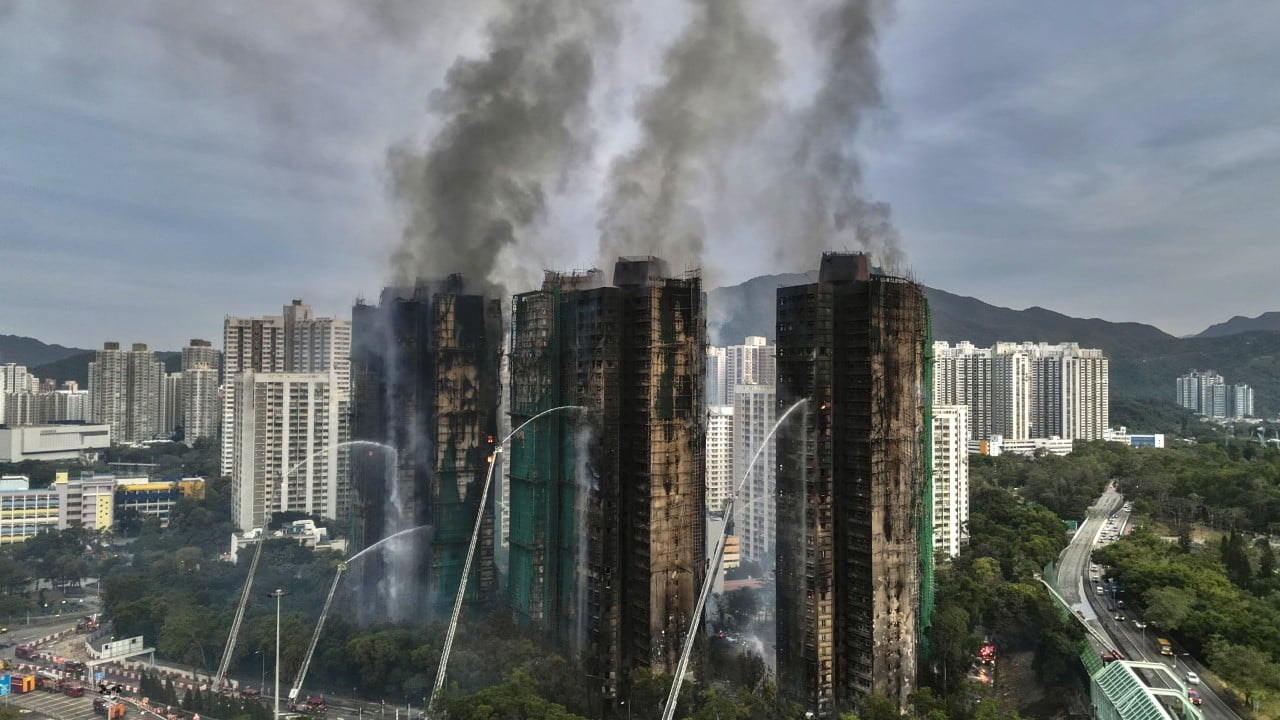
When a fire burns for 43 hours and claims 168 lives, it isn’t an accident. It’s a systemic execution. The independent inquiry into the November 2025 blaze at Wang Fuk Court in Tai Po just wrapped up its final hearings. The findings are damning. Senior Counsel Victor Dawes summed it up in a monstrous 627-page closing submission: the disaster was entirely preventable.
People want to blame a single discarded cigarette. That is a mistake. The cigarette may have sparked the initial flame in a lightwell, but it didn't kill 168 people. A horrific web of corporate greed, forged safety papers, deactivated alarms, and buck-passing bureaucrats did that.
If you think building regulations in a world-class financial hub protect you, think again. The Tai Po fire inquiry exposed a rotten core in how high-rise renovations are managed.
The Ghost Inspector and the Deactivated Alarms
The scale of human error at Wang Fuk Court borders on criminal. Actually, it is criminal—seven people and two companies already face manslaughter and fraud charges.
Let's look at what was actually happening inside those seven towers during the HK$336 million renovation.
The property management firm, ISS EastPoint Properties, had an in-house electrician drain the fire service water tanks. He was completely unqualified for the task. While doing it, he casually switched off the entire building's fire alarm system. He didn't realize what he had done. Another fire engineering contractor noticed the system was down later, but they didn't fix it or tell the Fire Services Department. Why? Because of an industry culture of "not teaching other companies how to work".
It gets worse. The registered inspector hired to supervise the entire project, Ng Yeuk Wilson, basically existed only on paper. He was paid specifically to sign forms and never once bothered to step foot on site to do real work.
When the fire started, the alarms were silent. The hoses had been dry for months, way past the legal 14-day maintenance limit. Residents had absolutely no warning.
Turning Towers into Vertical Tinderboxes
High-rise buildings are engineered to contain fires. They have internal compartmentation, heavy fire doors, and protected stairwells. The contractors at Tai Po systematically dismantled every single one of these protections to save a buck and speed up their timeline.
- They used highly flammable polyfoam boards to block up windows.
- They tore out fireproof windows from the emergency stairwells so workers could climb in and out easily.
- They wrapped seven massive towers in non-fire-retardant scaffolding netting.
This created a lethal chimney effect. When the lightwell caught fire, the flames broke out of the staircase windows and ignited the cheap plastic scaffolding mesh on the outside. The fire rushed up the exterior of the buildings like a rocket, trapping thousands inside.
The scaffolding net certificate was a total fake. It carried an outdated name of a mainland testing authority. When investigators finally tested a sample of the netting, it burned for 10 seconds straight. The certificate claimed it would self-extinguish in four.
The Government Honour System Fails
The private sector's greed is only half the story. The state completely abandoned its duty to protect the public.
Three different government bodies—the Labour Department, the Fire Services Department, and the Housing Bureau’s Independent Checking Unit (ICU)—spent the hearings pointing fingers at each other. None of them wanted to take responsibility for making sure the renovation used safe materials.
The ICU's oversight was a joke. They actually warned the project consultant before they came to do inspections. This gave the contractors plenty of time to rip down the illegal, highly flammable mesh and put up fire-retardant nets just for the day. As soon as the inspectors left, the cheap stuff went back up. When this came out during the hearings, not a single ICU inspector expressed surprise.
Residents knew things were wrong. They filed formal complaints about the safety hazards months before the fire. What did the government do? They passed the complaints from one department to another like a hot potato. Inspectors sent to the site miraculously failed to find any issues.
The government essentially built an "honour system" based on contractor self-regulation. It left dangerous companies to grade their own papers with zero real oversight.
Where the Systemic Rot Goes Next
The inquiry has exposed serious systemic issues that go far beyond this single tragedy, including the dark reality of bid-rigging cartels in Hong Kong's building maintenance sector. The Competition Commission testified that these corrupt networks are sometimes tied directly to triad criminal groups. When criminal syndicates run building renovations, safety standards are the very first thing to get cut.
The human toll of this corruption is staggering. Out of the 168 people who died, 114 were elderly residents over the age of 65. They stood no chance when the smoke filled the compromised stairwells.
Justice David Lok's committee will now compile its final investigation report to hand over to the Chief Executive. While the government has offered a two-year rental grant to the displaced survivors until late 2027, money does not fix a broken regulatory framework.
If you live in a high-rise residential complex undergoing renovation, you cannot trust that the inspectors or property managers are doing their jobs. You need to look out for your own safety immediately.
Demand to see the fire safety certificates for all external scaffolding materials and netting. Check your building's communal notice boards to verify that the fire service installation contractors are licensed and that active maintenance logs are updated weekly. If you notice blocked escape routes, missing fire doors, or deactivated alarms, do not wait for your property management to handle it. Take photos and lodge simultaneous reports directly with both the Fire Services Department and the Buildings Department. Force a paper trail so bureaucrats cannot pass the buck when it matters most.