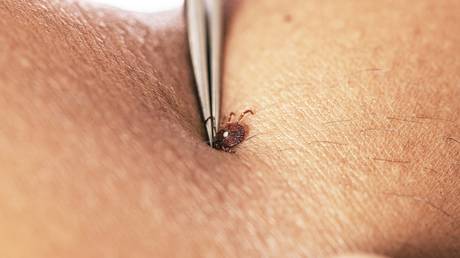
You pull a tiny tick off your leg, brush it off, and think nothing of it. Days later, a relentless fever hits, your head throbs, and your body aches so badly you can barely stand. Doctors test you for Lyme disease, but the results come back clean. You're actually dealing with something far more elusive.
A rare, untreatable pathogen called the Bourbon virus has officially been confirmed in New York State for the first time. Researchers at Stony Brook University identified the infection in a 67-year-old Long Island man who nearly lost his life after being bitten by lone star ticks. Also making headlines in this space: Measuring The Measles Resurgence: Epidemiological Failures And Institutional Friction.
Most people have never heard of it. That lack of awareness is precisely what makes it dangerous.
Why the Bourbon Virus Slips Through Medical Radar
If you catch the Bourbon virus, standard commercial tests won't catch it. Most clinics don't have the diagnostic assays on hand because the infection was historically confined to the Midwest. Additional insights on this are detailed by Everyday Health.
First discovered in Bourbon County, Kansas, back in 2014, the virus has only surfaced in a tiny handful of human patients nationwide. But that rarity is an illusion. Experts warn that the first documented New York case is likely just the tip of a much larger iceberg.
The primary vector, the lone star tick (Amblyomma americanum), has exploded across the Northeast. These aggressive biters are already infamous for transmitting ehrlichiosis, tularemia, and alpha-gal syndrome, the dreaded red meat allergy. Because symptoms of Bourbon virus mimic these other tick-borne illnesses—featuring high fevers, fatigue, rashes, nausea, and severe headaches—doctors frequently misdiagnose or miss it entirely.
There is No Cure and No Vaccine
Antibiotics won't help you here. Because the Bourbon virus is viral rather than bacterial, standard prescriptions for tick bites are completely useless.
There are no approved antiviral medications or targeted treatments. When patients get sick enough to require hospitalization, medical teams rely entirely on supportive care, managing symptoms like plummeting white blood cell and platelet counts while the patient's immune system fights blindly.
That leaves prevention as your only real defense.
How to Protect Yourself Right Now
Ticks aren't just hiding in deep forests anymore. You can pick them up doing routine yard work, tending to a garden, or walking through local parks on Long Island and throughout the tri-state area.
You need to change how you check for them.
- Skip the casual glance: Ticks can be as small as a poppy seed. Use a bright light and a mirror to inspect your body thoroughly after spending time outdoors.
- Treat your gear: Permethrin-treated clothing provides a massive barrier against lone star ticks trying to climb up your pants or boots.
- Demand better answers: If you get sick after a tick bite and standard Lyme tests come back negative while your symptoms keep worsening, push your doctor to consider broader viral possibilities or consult infectious disease specialists.
Ignoring unusual post-bite symptoms is a gamble you shouldn't take. Stay vigilant, check your skin obsessively, and take every tick bite seriously before rarer pathogens catch you completely off guard.