Most headlines make the European Union’s proposed €45 billion (US$49 billion) loan for Ukraine sound like another routine handout from Brussels. They miss the real story.
This isn't a traditional loan that Kyiv will spend decades paying back out of its battered treasury. And it’s certainly not sailing through Brussels without a fight. After more than 12 hours of tense summit talks in Brussels on November 26 and 27, EU leaders walked away without a deal, pushing the entire package into a high-stakes December showdown.
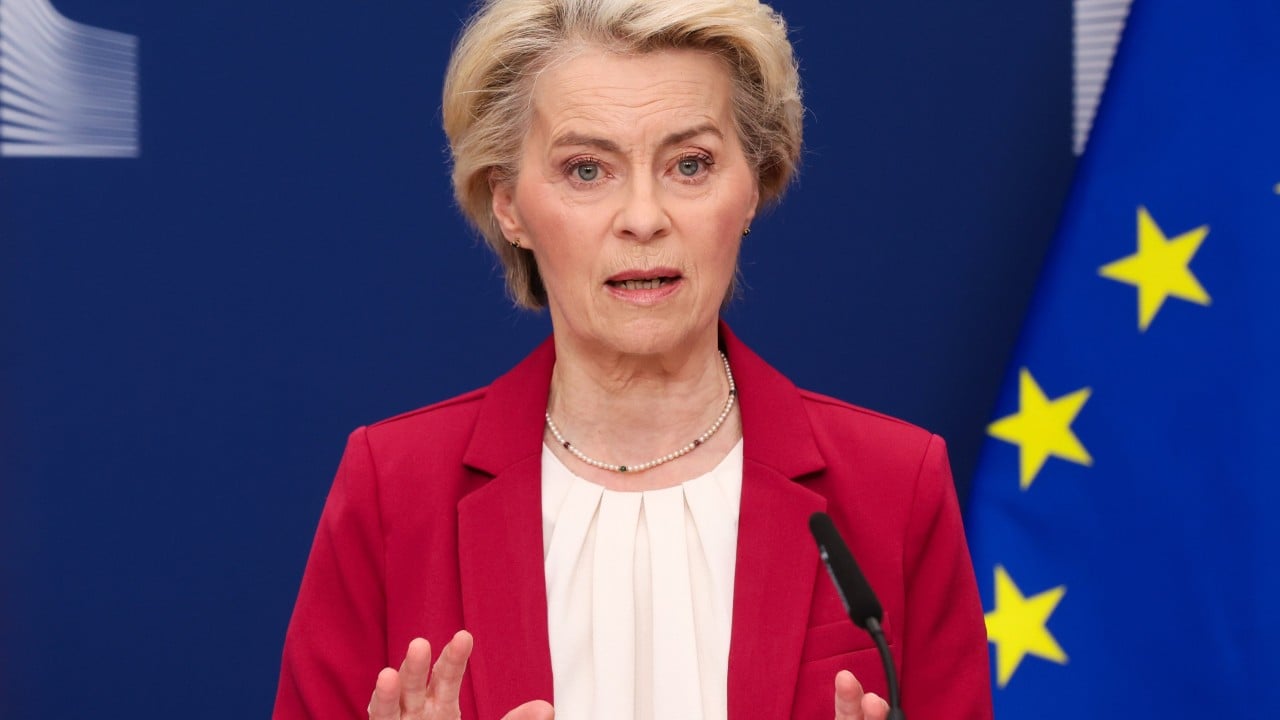
If you only read the surface-level wire reports, you'd think Europe is simply writing a check to keep Ukraine afloat next year. In reality, the proposal—unveiled by European Commission President Ursula von der Leyen on November 18, 2026—is a complicated financial machine tied directly to frozen Russian state assets, domestic European elections, and a brutal fight over the bloc's next seven-year budget.
How the €45 Billion Ukraine Loan Actually Works
Let's strip away the Brussels jargon first. Ukraine is staring down an estimated €70 billion (US$77 billion) financing gap for 2027, even after accounting for the €90 billion EU support program already lined up across 2026 and 2027.
The European Commission's plan covers roughly two-thirds of that remaining shortfall. The remaining €25 billion has to come from other international partners, including G7 allies.
Here is how Brussels plans to slice up the €45 billion:
- Up to €25 billion for military assistance: This funds weapons, ammunition, air defense, and deeper integration between Ukrainian and European defense manufacturers.
- Up to €20 billion for general budget support: This keeps basic state functions running—paying teachers, keeping hospitals open, and funding emergency infrastructure repairs while Russian missile and drone strikes continue.
The money won't come straight out of national treasuries tomorrow. Instead, the European Union will borrow the funds on international capital markets, backed by the "headroom"—the financial safety margin—of the EU's central budget.
And Kyiv doesn't get a blank check. To unlock the €20 billion in budget support, Ukraine has to hit strict benchmarks on the rule of law and anti-corruption reforms tied to its EU accession track. Brussels learned early on that conditioning cash on institutional reform is the only way to keep skeptical European parliaments on board.
The Repayment Catch Nobody Explains Clearly
If you're wondering how a war-torn economy can possibly absorb another US$49 billion in debt, here's the twist. Under the Commission's legislative text, this is structured as a limited-recourse loan.
In plain English? Ukraine doesn't have to pay back a single cent of the principal until Russia pays war reparations for the destruction it has caused.
"We think this is the best way to give Ukraine a strong hand at the negotiation table, and Ukraine only needs to repay once Russia pays for the damage it has caused in Ukraine," von der Leyen said when announcing the package.
To make the math work without waiting decades for a peace treaty, Brussels is also amending the Ukraine Loan Cooperation Mechanism. Once earlier G7-backed loans are paid off, future windfall profits generated by immobilized Russian central bank assets held in Europe will be rerouted to help pay down both the existing €90 billion loan and this new €45 billion facility. The Commission also tucked in a separate mechanism allowing AAA-rated non-EU countries to guarantee up to €5 billion in additional loans channeled through EU facilities.
It's clever financial engineering. It shields Ukraine from immediate default risk while using Moscow's frozen wealth as collateral. Still, clever engineering doesn't guarantee political survival in the European Council.
Why the November Brussels Summit Stalled
When EU leaders gathered in Brussels on November 26, 2026, the loan ran straight into a wall. While 24 of the 27 member states backed the proposal, a stubborn bloc of holdouts—led by Czechia, Hungary, and Slovakia, with Bulgaria also complicating talks—refused to sign off.
You can't understand this standoff without looking at the map of Central Europe and the political calendar.
Prague, Budapest, and Bratislava Want Out
Czech Prime Minister Andrej Babiš, Hungarian Prime Minister Péter Magyar, and Slovak leadership have all pushed back against guaranteeing more debt for Kyiv. Last year, Prague, Budapest, and Bratislava managed to secure opt-outs from a major EU loan package. Naturally, they want the exact same exemption this time around.
Babiš didn't mince words with reporters in Brussels. He argued that Czechia needs European money for its own domestic priorities—pointing out that 37 years after the Velvet Revolution, the country still lacks a completed highway link to Austria and needs new hospitals. He demanded clear timelines and concrete objectives for Ukraine aid, insisting it shouldn't be used as a bargaining chip in wider EU budget fights.
Merz Draws a Hard Line
Enter German Chancellor Friedrich Merz. Germany is the EU's largest economy and biggest net contributor, and Merz has zero patience for countries that happily collect EU cohesion funds while dodging shared security responsibilities.
Arriving at the summit, Merz shut down the idea of opt-outs immediately. "The European Union consists of 27, not 23 or 24," he warned.
Even more aggressively, Merz linked the €45 billion Ukraine loan directly to the EU's next Multiannual Financial Framework (MFF)—the massive €1.58 trillion seven-year budget covering 2028 to 2034. His message to net-recipient nations like Hungary and Czechia was unmistakable. If they block unanimous support for Ukraine's 2027 financing, Germany is prepared to hold up the long-term budget they rely on for infrastructure and agricultural subsidies.
Babiš called that linkage "unacceptable". Hungarian Prime Minister Péter Magyar walked out of the overnight session saying he had seen "zero results" and doubted a deal would happen before Christmas.
The Clock Is Ticking Toward December 31
If you think Brussels can just kick this can down the road into early 2027, think again. European Council President António Costa has scheduled the next leaders' summit for December 17–18, 2026, and political reality makes that meeting a hard deadline.
French President Emmanuel Macron made that brutally clear in Brussels. France heads into a high-stakes presidential election in April 2027, with the hard right polling strongly. Macron warned fellow leaders that after December 31, he won't be in a political or democratic position to negotiate major EU budget compromises so close to French voters going to the polls.
Meanwhile, Moscow is watching the division closely. Ukraine's Center for Strategic Communications reported that Russian state-linked networks pushed over 700 coordinated stories in a single day during the summit, framing the €1.58 trillion EU budget talks as Brussels robbing European taxpayers to fund Kyiv.
What to Watch Before the December 17 Summit
Whether you track European sovereign debt, defense markets, or geopolitical risk, the next three weeks will tell you everything about Europe's staying power. Keep your eye on three specific pressure points leading into mid-December:
- The budget-linkage standoff: Watch whether Friedrich Merz holds firm on tying the 2028–2034 MFF to the Ukraine loan, or if António Costa brokers a side-deal that lets Central European holdouts save face without formally exercising an opt-out.
- G7 burden-sharing commitments: Even if Brussels approves every cent of the €45 billion package, Kyiv still faces a €25 billion hole for 2027. Watch for formal pledges from the United Kingdom, Canada, Japan, and Washington to close that gap.
- The Russian asset windfall vote: Pay attention to the technical council votes amending the Ukraine Loan Cooperation Mechanism. If member states stall on pledging future profits from immobilized Russian assets, the cost of servicing the debt shifts back onto European taxpayers—handing ammunition to critics in Prague, Budapest, and Paris.
If Brussels fails to lock in the US$49 billion loan on December 17 and 18, Ukraine enters 2027 facing an immediate liquidity crunch just as winter energy infrastructure attacks peak. Check the European Council's published summit conclusions on December 18—if all 27 signatures aren't on the Ukraine financing text, expect immediate emergency bilateral bridge loans from Berlin, Paris, and the Nordic states to keep Kyiv's treasury from running dry.