Ink is cheap. Sovereignty is expensive.
If you spend enough hours standing on the docks of Santos, watching the cranes hoist container after container of Brazilian soybeans into the steel belly of a cargo ship, you begin to smell the friction. It is a sharp, chemical scent. Diesel exhaust mixed with humid air, baked salt, and the quiet desperation of a billion-dollar supply chain trying not to snap.
Down here, geopolitics is not an abstract spreadsheet. It is a 40-foot metal box that might not clear customs tomorrow.
For months, the bureaucratic machinery inside the World Trade Organization has been grinding against a very modern kind of friction. The trouble started when Washington decided that economic protectionism needed a moral coat of paint. Tariffs were levied. Not just standard taxes on foreign steel or aluminum, but targeted measures rooted in accusations of forced labor—specifically aimed at supply chains weaving through specific regions, touching everything from solar panels to agricultural yields.
Brazil looked at those tariffs and saw a threat to its livelihood. Then, Beijing looked at Brazil's challenge at the WTO and decided to step into the ring.
This is not a story about high-minded legal principles. It is a story about leverage.
Consider what happens when a global superpower decides it can police the internal labor practices of sovereign nations by taxing their exports at the border. To Washington, it is an act of ethical containment. To Beijing, it is an intolerable precedent. And to Brasília, caught in the middle of a bruising commercial rivalry, it is a direct assault on the right to sell what they grow and build to whoever will pay.
When Brazil filed its dispute at the WTO, it did so quietly. These things always start in quiet rooms with acoustic tile and expensive coffee. Legal briefs are filed. Trade delegates mutter diplomatic pleasantries while sliding knives between each other's ribs under mahogany tables. But the underlying question was terrifyingly simple: Does a single nation have the right to unilaterally rewrite the rules of global commerce under the banner of human rights enforcement?
If the answer is yes, the WTO becomes a ghost town.
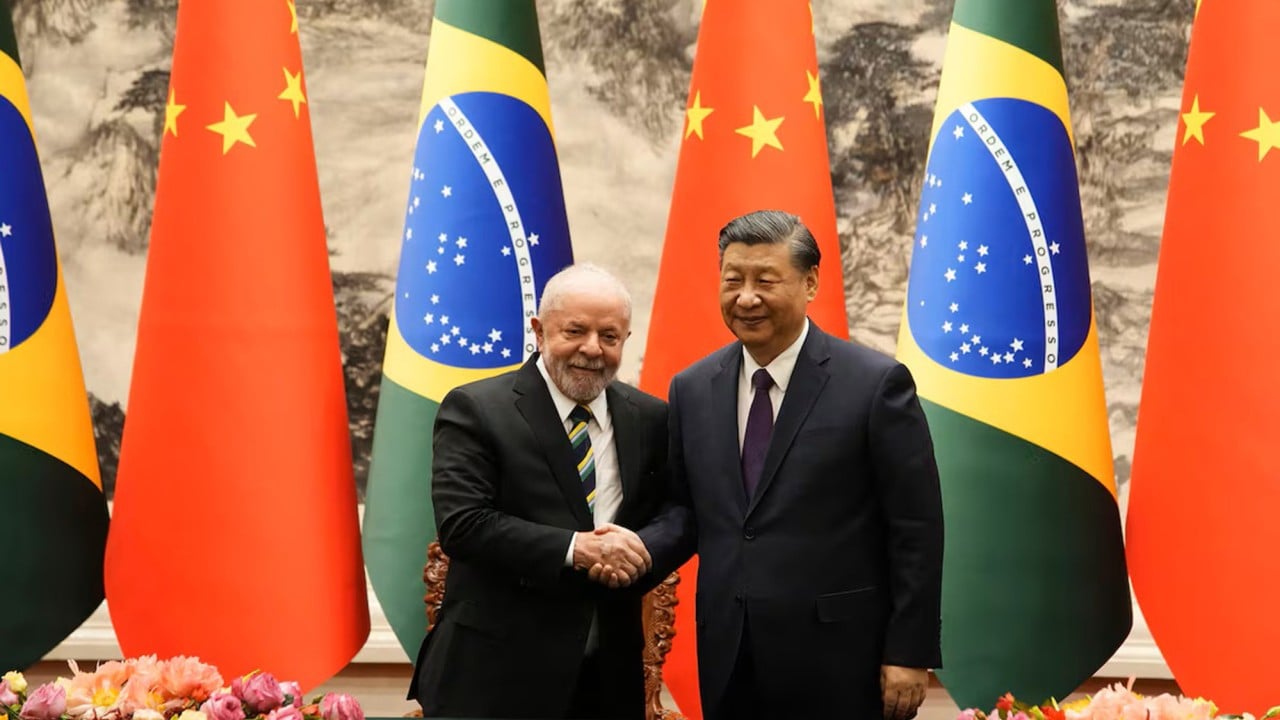
That is why China’s recent move to join Brazil’s fight matters. It is a marriage of convenience born out of shared vulnerability. Beijing exports the very goods most frequently targeted by these moral tariffs. Brazil exports the agricultural commodities that get tangled up in the widening net of secondary economic sanctions. Together, they represent a formidable block. They are saying to the architects of American trade policy: You cannot unilaterally redraw the map of international trade without a fight.
Listen.
I remember talking to a logistics manager in São Paulo a few years back, right as the first wave of trade war posturing started to bite. He looked at me, exhausted, holding a lukewarm cup of coffee, and said something that stuck. He said, "The politicians think they are playing chess. We are the ones who have to build the board while they throw pieces at our heads."
That is the human cost of trade disputes.
Behind every WTO case number are thousands of workers whose employment hangs on the stroke of a trade representative's pen. Farmers in Mato Grosso who wonder if their harvest will find a port. Factory owners in Shenzhen who cannot plan five weeks ahead, let alone five years. Dockworkers, truckers, customs brokers, and accountants—all of them dancing to a rhythm dictated by men who have never loaded a pallet in their lives.
When China formally requested to join consultations as a third party in Brazil's WTO dispute, the press releases called it a procedural maneuver. They used words like "stakeholder interests" and "systemic implications."
Strip away the diplomatic varnish, and you see the truth.
It is a warning shot.
The United States has spent the better part of a decade bypassing or actively kneecapping the WTO's appellate body, treating the Geneva-based organization like an inconvenient speed bump. By taking their grievances directly to the WTO dispute settlement mechanism, Brazil and China are attempting to resurrect a referee that Washington left for dead. They are forcing a confrontation. Either the rules-based international order still applies to everyone, or it applies to no one.
Let us be honest about the hypocrisy on all sides.
Beijing’s sudden concern for procedural fairness at the WTO would be laughable if the stakes weren't so high. This is the same government that has spent decades bending global trade rules, subsidizing domestic industries into dominance, and ignoring intellectual property norms whenever it suited them. Their newfound devotion to international trade law is strictly utilitarian. They found a weapon, and they picked it up.
Yet, Washington's moral high ground is equally brittle. Using forced labor concerns as a blunt instrument for protectionism creates a dangerous loophole. If a nation can impose punitive tariffs simply by alleging labor violations without submitting to rigorous, multilateral verification, then any trade deal is worth less than the paper it is printed on. Protectionism is dressed up as purity, and the global market splinters into hostile tribes.
We are watching the slow unraveling of globalization.
For thirty years, we were sold a fairy tale. The world was supposed to become flat, frictionless, and universally prosperous through the magic of free trade. Borders were supposed to matter less. Commerce was supposed to bind us together in a web of mutual dependency so tight that conflict would become obsolete.
Instead, we built a fragile, hyper-optimized monster.
When the pandemic hit, we learned that we couldn't even buy aspirin or microchips without panicking. When geopolitical tensions flared, we learned that our supply chains were choke points waiting to be squeezed. Now, every container ship is a potential Trojan horse. Every port is a checkpoint. Every trade agreement is a temporary truce in an ongoing economic war.
This WTO dispute is a symptom of that deeper sickness.
Brazil wants to sell its goods without being crushed by the collateral damage of a US-China cold war. China wants to blunt the edge of American economic unilateralism by weaponizing multilateral institutions it once dismissed. And the United States wants to insulate its domestic economy and project moral authority while the rest of the world scrambles to adapt to a post-hegemonic reality.
Meanwhile, the grain keeps moving.
Out there on the water, the engines hum. The salt spray hits the hull. A deckhand looks out at the horizon, wiping grease from his forehead, completely unaware of whether a trade panel in Geneva will decide his fate next Tuesday. He just wants the ship to dock. He just wants the cargo to clear.
We have built a world where everything is connected, yet no one is safe. And as the briefs pile up in Geneva, and the lawyers sharpen their pens, the paper walls grow higher, boxing us all into a maze we may never find our way out of.