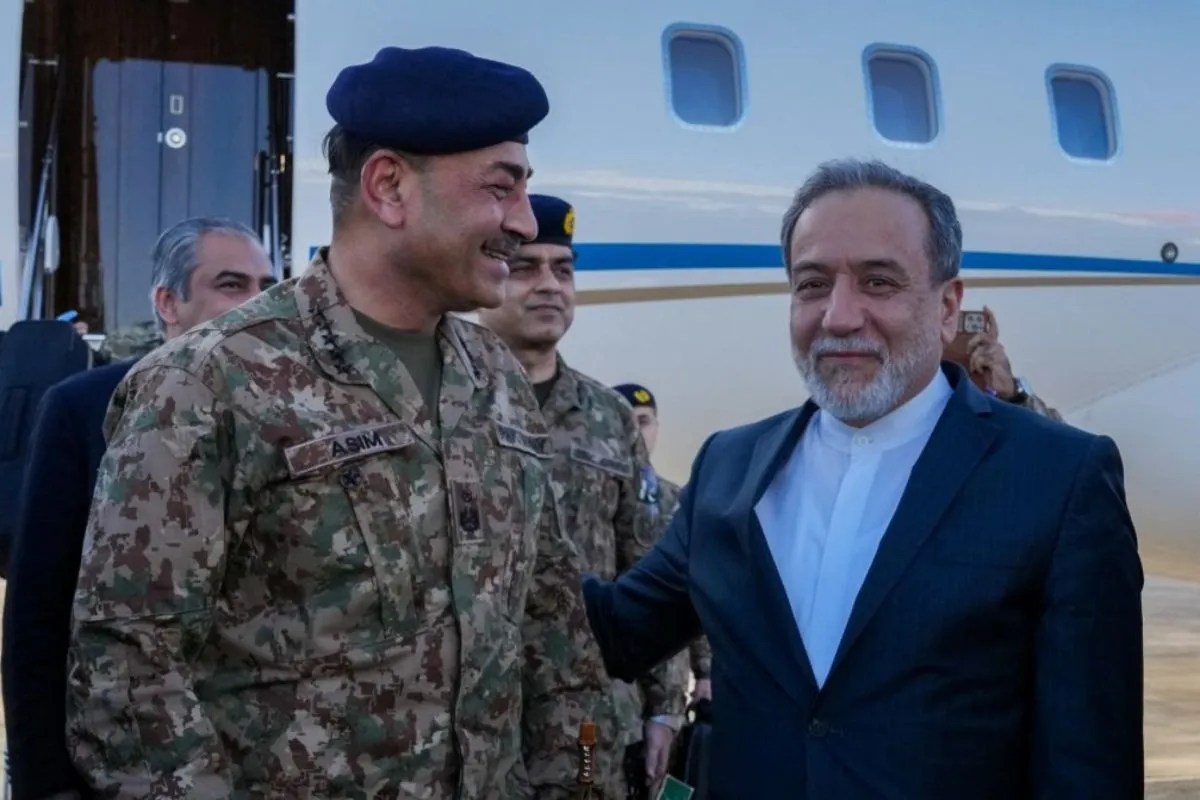
Pakistan claims Iran wants it to keep trying to mediate with the United States. Islamabad is pushing this narrative hard. But if you look at the messy reality of Middle Eastern diplomacy, the story is not that simple. Tehran and Washington do not just jump into talks because Islamabad asks them to.
Geopolitics is brutal. It relies on leverage, timing, and raw power. This recent claim that Iran officially appealed to Pakistan to maintain mediation efforts with the US needs a serious reality check. Pakistan wants to position itself as a central diplomatic player. The actual dynamic between Washington and Tehran suggests otherwise.
The Reality Behind Pakistan Claims of Iran Mediation Request
Islamabad frequently highlights its role as a diplomatic bridge. Pakistani officials often talk about messages passed between Tehran and Washington during times of high tension. It makes Pakistan look essential on the global stage.
But let us be real about how backchannel diplomacy works. Iran and the US do not lack communication channels. They routinely use the Swiss Embassy in Tehran to pass critical messages. Oman has also served as a trusted, quiet venue for direct and indirect talks for decades.
When Pakistan claims Iran requested its continued mediation, it usually means something far more routine. It means diplomatic pleasantries were exchanged during bilateral meetings. Turning a standard diplomatic nod into a headline about active mediation is a classic public relations move. Pakistan faces massive economic trouble and political instability at home. Looking like an international peacemaker helps change the narrative.
What Iran Actually Wants From Islamabad
Iran shares a long, volatile border with Pakistan. Security issues plague the Balochistan region on both sides. Tehran does not look at Islamabad and see a superpower capable of shifting American foreign policy. Instead, Iran looks at Pakistan through a lens of border security and regional balance.
Jaish al-Adl, a Sunni militant group, operates in the border regions. They have launched deadly attacks inside Iran. When Iranian officials meet their Pakistani counterparts, their top priorities are intelligence sharing, border fencing, and stopping militancy.
Tehran tolerates Pakistan's close ties with Riyadh and Washington. Iran understands that Pakistan relies heavily on financial backing from Saudi Arabia and US economic cooperation. By telling Pakistan to keep channels open with the US, Iran is simply keeping its options diverse. It is not putting its diplomatic eggs in Islamabad's basket. It is just being pragmatic.
The Limits of Pakistani Influence in Washington
You cannot mediate effectively if one side does not trust you or value your leverage. Washington's relationship with Islamabad is complicated. The US relies on Pakistan for certain regional counter-terrorism efforts, but the old strategic warmth is gone.
The US views its relationship with Pakistan largely through the lens of competition with China. Pakistan is heavily invested in the China-Pakistan Economic Corridor (CPEC). This reality makes Washington skeptical of Islamabad's neutrality.
If the US wants to signal something major to Iran, it uses European allies or Gulf states like Qatar. Qatar has the financial muscle and diplomatic neutrality that Washington respects. Pakistan simply lacks the economic power to back up its diplomatic ambitions. When your own economy relies on International Monetary Fund (IMF) bailouts, you do not have the clout to dictate terms to global powers.
The Structural Obstacles to US and Iran Peace
The friction between Washington and Tehran runs incredibly deep. It is not a misunderstanding that can be cleared up by a friendly middleman. It is a fundamental conflict of strategic interests.
The US demands a complete halt to Iran's nuclear enrichment program and an end to its support for regional proxies. Iran views its nuclear program and its network of regional allies as vital for survival. No amount of message-carrying by Pakistani diplomats can change these core positions.
- The nuclear deadlock remains unresolved since the collapse of the 2015 joint agreement.
- Regional proxy conflicts create constant flashpoints that derail quiet diplomatic efforts.
- Internal political pressures in both Washington and Tehran make compromise look like weakness.
How to Read Between the Lines of Regional Diplomacy
When analyzing these diplomatic claims, stop looking at the press releases. Look at the actions on the ground. Watch the actual movement of senior diplomats. Look at the financial agreements being signed.
If Iran wants serious talks with the West, watch for unannounced trips by Omani officials to Tehran. Watch for statements out of Doha. Those are the channels that yield actual prisoner swaps or frozen asset releases.
Pakistan will continue to claim a grand mediation role because it serves its domestic and regional interests. It keeps Islamabad relevant. It signals to the Pakistani public that their country remains a major player in Islamic world diplomacy. Enjoy the headlines, but do not expect a breakthrough brokered by Islamabad anytime soon. Keep your eyes on the Gulf nations if you want to see where real Middle Eastern diplomacy happens.