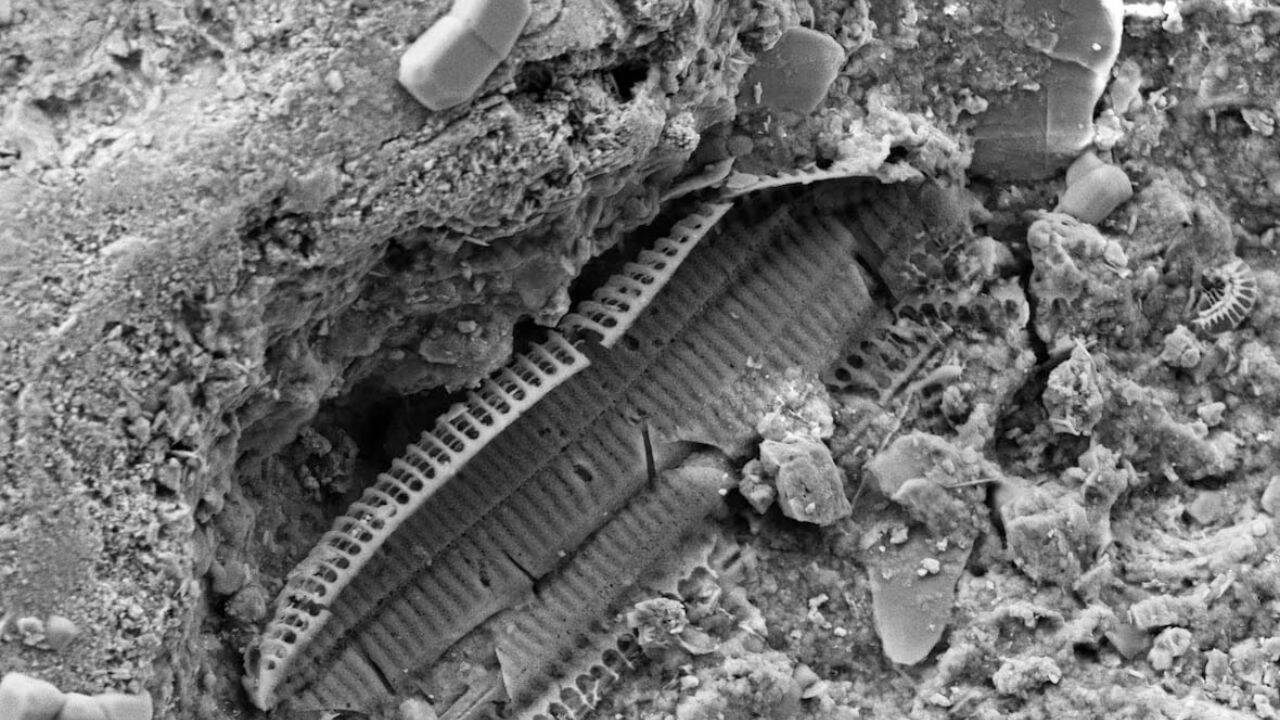
Every few years, the internet rediscovers a decade-old geological study and collective amnesia sets in. The headlines always adopt a hushed, reverent tone: microscopic shrapnel found in the sand proves that Omaha Beach still carries the physical memory of D-Day. Writers wax poetic about the coast weeping iron tears, turning a straightforward exercise in sedimentary geology into a pseudo-mystical event.
This is bad history and worse science.
The romanticized notion that the beach is holding onto a tragic secret ignores the raw mechanics of modern warfare and the basic principles of taphonomy. Finding microscopic iron shards and spherical iron beads on a coast where over 4,000 tons of ammunition were expended in a matter of hours is not a profound revelation. It is an mathematical certainty.
By treating a predictable geological footprint as a poetic anomaly, we cheapen the reality of combat and ignore the actual preservation crises facing the Normandy coast today.
The Arithmetic of Steel
To understand why the media consensus on this topic is so lazy, look at the sheer volume of metal dropped on the Normandy coast. On June 6, 1944, Allied naval vessels fired thousands of heavy shells. Allied aircraft dropped thousands of bombs. The defending forces fired millions of rounds of small arms ammunition.
When an artillery shell explodes, it does not just split into clean, jagged chunks of shrapnel. The extreme heat and pressure liquefy and vaporize steel. This molten metal is thrown into the air, where it cools rapidly as it falls, forming perfect microscopic spheres. The rest of the shell casings shatter into jagged, microscopic fragments.
Geologists Earle McBride and M. Dane Picard collected sand samples from Omaha Beach and discovered that roughly 4% of the sand grains were actually microscopic remnants of war. The media treated this like a haunting ghost story.
Let's look at the actual math.
If you detonate thousands of tons of steel explosives over a concentrated strip of sand, that metal has to go somewhere. Steel does not vanish into the ether. It oxidizes, breaks down, and mixes with the surrounding sediment. A concentration of 4% is not a mystical haunting. It is actually remarkably low given the scale of the bombardment, proving just how aggressively the English Channel washes away and dilutes the physical remnants of human conflict.
To be surprised by the presence of iron in Omaha Beach sand is to be surprised that a fireplace contains ash after the logs have burned.
The Flawed Premise of Environmental Memory
Anthropomorphizing geography is a comforting habit. We want the land to remember our tragedies because it makes our collective trauma feel permanent and recognized by the universe. But the earth does not remember. The earth merely accumulates debris.
The concept of a landscape holding a memory is a literary device, not a scientific framework. When we conflate the two, we muddy the waters of historical preservation. The iron grains in the sand do not possess emotional resonance. They are just highly resilient alloys resistant to immediate chemical weathering.
Consider the composition of the fragments found:
- Spherical iron beads: Formed by the intense heat of explosions melting the casing.
- Jagged shrapnel fragments: Kept sharp by the lack of sufficient time to wear down completely in a low-energy zone of the beach profile.
- Glass beads: Likely created by the heat of explosions melting the quartz sand itself.
These are the exact same markers you find at industrial slag heaps, steel mills, and modern artillery testing ranges. There is no qualitative difference between the iron beads at Omaha Beach and the iron beads found in the soil outside a decommissioned Soviet tank factory. The only difference is the narrative we project onto them.
The Cost of Poetic Distraction
While commentators swoon over microscopic sand grains, the actual physical history of Normandy is rotting away. This hyper-focus on the invisible remnants of D-Day creates a false sense of security about the preservation of the battlefield.
I have watched historical preservation efforts stall because public attention is constantly diverted toward low-stakes emotional narratives. While people share articles about the sand carrying memories, the actual bunkers, pillboxes, and cliff faces of Point du Hoc and Omaha Beach are actively collapsing into the sea.
Normandy faces real, structural threats that require engineering and funding, not poetry.
Coastal Erosion and Structural Collapse
The cliffs of Normandy are made of soft chalk and limestone. They are exceptionally vulnerable to wave action. The historic clifftops where Rangers scaled the heights are quite literally falling into the ocean. Point du Hoc has already lost significant portions of its forward observation posts due to rockfalls. Microscopic shrapnel will survive for centuries; the actual concrete fortifications will not.
The Real Hazard of Unexploded Ordnance
If you want to talk about what actually lies beneath the sand of European battlefields, look at the tonnage of unexploded ordnance (UXO) that remains fully functional and highly volatile. Farmers in France and Belgium still harvest a grim crop of iron every spring—tons of live shells that pose a daily risk to human life.
Focusing on harmless, microscopic iron dust in tourist sand avoids the uncomfortable conversation about the millions of pounds of active explosives still buried across the continent.
Dismantling the Preservation Myth
The public often asks how we can best preserve the memory of these battlefields. The common assumption is that we should leave them completely untouched, allowing nature and time to create a permanent monument.
This premise is deeply flawed. If you leave a coastal battlefield untouched, the sea obliterates it.
If we truly care about the physical reality of what happened in 1944, we have to stop treating the landscape as a sacred, unchanging relic. It is a dynamic, eroding coastline. Preserving it requires aggressive, sometimes invasive human intervention: reinforcing cliff faces, treating concrete to prevent salt-water rot, and actively managing tourist foot traffic.
We must choose between two paths:
- The Romantic Path: Accept the inevitable destruction of the physical fortifications while comforting ourselves with the knowledge that the sand contains microscopic iron dust.
- The Interventionist Path: Admit that nature is actively erasing the battlefield and spend the necessary capital to structurally fortify the coast, keeping the history tangible for future generations.
The current media obsession with sand chemistry encourages the first path. It allows us to feel a sense of profound connection without demanding any actual effort or expenditure to save the tangible structures of the war.
Stop looking for ghosts in the sand. The men who fought there did not bleed out on the beaches so that future generations could romanticize the soil mechanics of steel degradation. They fought to take concrete objectives. If we let those objectives erode into the Atlantic while marveling at microscopic iron beads, we have failed the history entirely.