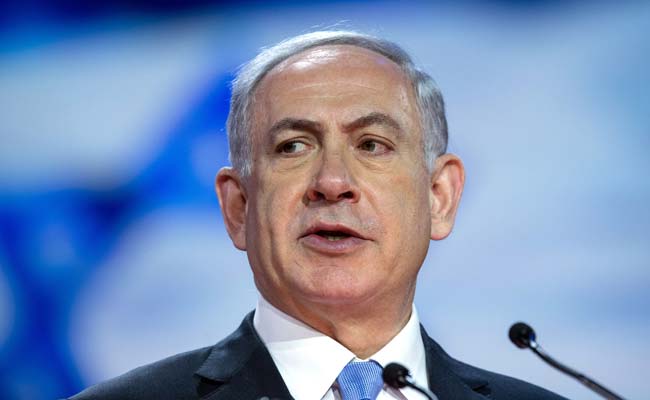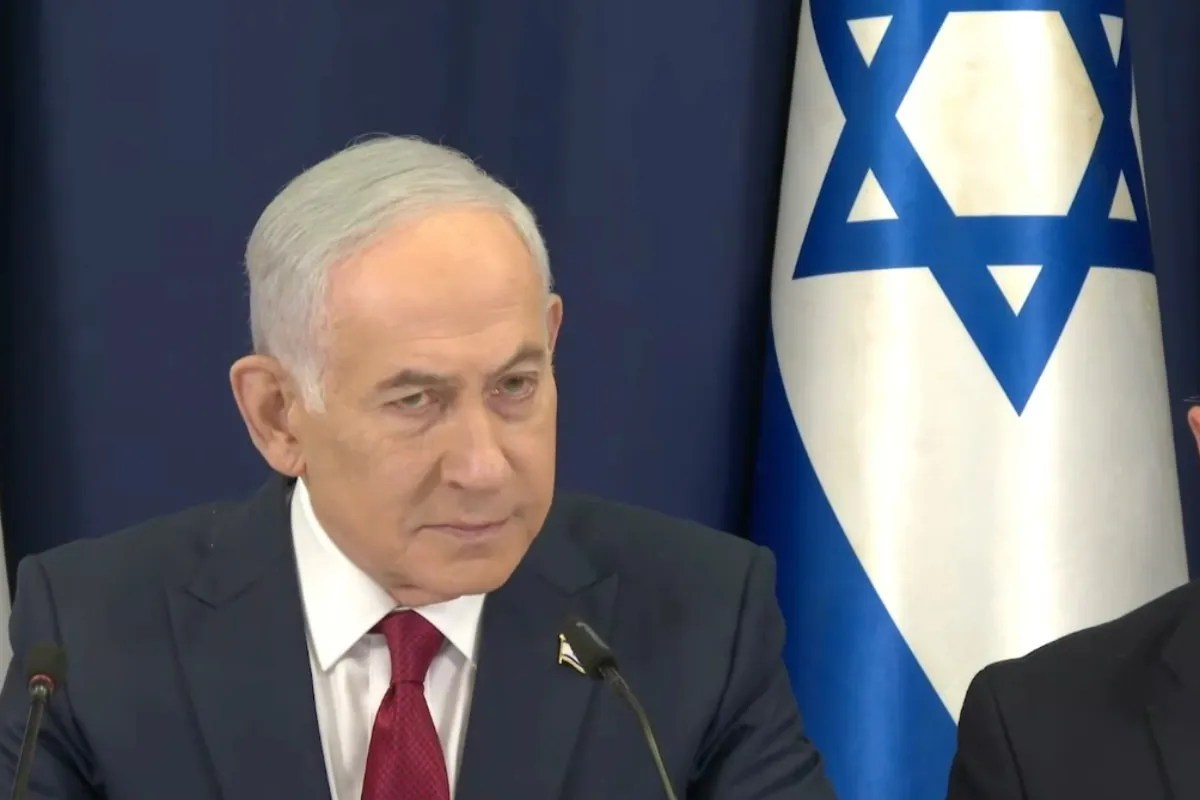
Stop treating Israeli parliamentary politics like a boxing match between two men in a ring.
The lazy consensus in mainstream coverage—the kind that turns complex coalition math into a horse race between Benjamin Netanyahu and Gadi Eisenkot—gets the entire system backward. Voters don't elect a prime minister directly. They cast a single national ballot for a closed party list in a 120-seat Knesset. Winning the most votes doesn't hand you the keys to the Prime Minister's Office. Math, horse-trading, and survival instincts do.
I have watched political analysts, campaign strategists, and foreign observers blow credibility for years by mistaking a strong showing at the ballot box for a governing mandate. When you treat a proportional system like a winner-take-all presidency, every single headline after election night sounds shocked when the largest party gets locked out or when unlikely bedfellows suddenly start sharing cabinet portfolios.
To understand Israel's government formation process properly, you have to stop asking who "won" the contest of personalities and start tracking who can actually stitch together a working majority—or survive without one.
The Lazy Consensus About Who Actually Wins an Israeli Election
Conventional coverage loves a clean binary. Netanyahu versus Eisenkot. Old guard versus security-minded challenger. Right versus anti-Netanyahu.
That framing is catnip for clicks, and it is analytically lazy. In Israel's system, the electoral threshold—3.25% in the 2026 Knesset election—filters out tiny factions, leaving a fragmented legislature where no single party comes anywhere close to 61 seats on its own. Likud can lead the pack in vote share and seat count, yet still find itself boxed in if other parties refuse to sit at its table. Conversely, a challenger whose party finishes second or third can end up with the mandate if enough factions prefer that leader over the incumbent.
Even surplus-vote agreements between parties—designed to mop up leftover votes under the Bader-Ofer seat allocation method—only tweak the margins. They don't replace the core reality: a prime minister only takes office by commanding the confidence of the Knesset, not by winning a popularity contest on election day.
Why "Majority" Is Only Half the Story
Most casual readers assume coalition building is a simple arithmetic problem: hit 61 seats out of 120 and you govern. In practice, arithmetic is the floor, not the ceiling.
A bare 61-seat majority turns every single faction into a hostage-taker. If a small religious or ideological party holds six or seven seats and walks out over a draft bill, a budget vote, or a judicial appointment, the entire government wobbles. That is why politicians talk so loudly about stability, emergency cabinets, or minority arrangements when the numbers are tight.
Imagine a scenario where a bloc falls short of an outright majority on paper, yet no rival bloc can muster 61 votes either. Suddenly, abstentions, outside support, or a minority government vote before a coalition mandate expires stop looking like fringe theories and start looking like tactical survival maneuvers. Political scientists who study parliamentary systems—from Arend Lijphart's work on consensus and majoritarian democracies to classic coalition bargaining theory—have long pointed out that investiture rules and negative or positive majority thresholds reshape how leaders bargain. In Israel, getting a government approved requires winning a vote of confidence in the Knesset, which forces leaders to count every single vote rather than just tallying friendly blocs.
How Government Formation Really Works Behind Closed Doors
If you want to know how a government actually comes together in Jerusalem, ignore the television soundbites and watch the sequence of legal and political steps.
- Official results lock in the seat map. Once the Central Elections Committee certifies the final vote tally and allocates seats across the 120-member Knesset, the real puzzle begins: who can realistically assemble enough support to survive a confidence vote?
- Consultations with the President set the starting gun. After the election and the swearing-in of lawmakers, the President of Israel holds consultations with representatives of the elected parties to see which MK has the best chance of forming a government. That lawmaker receives an initial 28-day window—with a possible extension of up to 14 days—to put together a cabinet.
- Portfolio horse-trading meets ideological red lines. Coalitions aren't built on warm feelings. They are built on written coalition agreements covering ministry assignments, budget priorities, judicial policy, and thorny social flashpoints like Haredi military conscription. Every concession to one faction risks alienating another.
- The Knesset vote of confidence decides. The designated prime minister must present the proposed government and its basic guidelines to the Knesset and win approval. Only then does the new cabinet officially take power. If the first attempt fails—or if the mandate passes to another candidate or back to the Knesset—the clock keeps ticking and the leverage shifts again.
A coalition deal isn't a peace treaty between allies. It's a temporary ceasefire backed by mutual self-interest.
The Myth of Permanent Blocs
Another piece of conventional wisdom that needs to be retired is the idea that political blocs in Israel are carved in stone.
Over the past several election cycles, analysts have repeatedly declared that "the pro-Netanyahu bloc" and "the change/anti-Netanyahu bloc" are locked in permanent trench warfare. That claim holds up right up until the moment a politician decides that ideological purity costs more than power—or that a rival offers a better shot at long-term survival.
Take the perennial tension around Haredi conscription and religious parties. Secular hawks and ultra-Orthodox factions often sound like mortal enemies during a campaign. Yet during coalition negotiations, strange calculations surface: some argue that peeling away or dealing with religious parties is the only way to build a durable multi-year government, while others push for broad unity frameworks to dodge gridlock or handle security crises.
Let's be honest about the downside of looking at politics through this cold, transactional lens. If you treat every principle as negotiable bargaining chip, you can underestimate moments when real red lines—over judicial overhaul, commissions of inquiry, or military service—actually hold firm. Ideology doesn't disappear in Jerusalem; it just collides constantly with arithmetic.
The Questions You Should Be Asking Instead
People searching for news about Israeli elections usually type the same predictable questions into a search bar: Who is ahead between Netanyahu and Eisenkot? How does Israel form a government? Will there be another election?
Those aren't useless questions, but two of them are framed in a way that tricks you into missing the action.
- Wrong question: "Who is winning the race between Netanyahu and Eisenkot?" Better question: "Which party leaders have enough viable partners—and how much political pain are they willing to absorb—to reach or bypass the 61-seat threshold without handing veto power to a faction that can blow the government up next month?"
- Wrong question: "Are coalition talks just about who gets which ministry?" Better question: "Which non-negotiable demands—on military enlistment, judicial authority, or accountability—are dealbreakers that no coalition partner can sign off on without wrecking their own base?"
- Brutally honest answer on stability: Even when a government finally gets sworn in, don't confuse formation with durability. Getting to 61 seats—or scraping through a Knesset vote—is step one. Keeping restless partners in line when a crisis hits is the real test.
What Actually Works When Tracking Coalition Talks
If you want to read coalition negotiations like an insider instead of getting whiplash from every leaked meeting, apply three simple filters:
- Track deadlines, not rumors. Every politician leaks trial balloons to pressure rivals or soothe nervous allies. Statutory deadlines for forming a government or bringing a vote before the Knesset force real decisions when bluffing stops working.
- Count defectors and abstentions, not just loyalists. In a tight Knesset, a party's formal bloc number matters less than how every individual member behaves when a vote of confidence is actually called.
- Separate campaign rhetoric from coalition math. Campaign speeches are written to rally voters; coalition agreements are written to survive parliament. Watch the paper trail, not the microphone.
Numbers pick the players. Horse-trading picks the government. And the math never cares who had the louder rally.