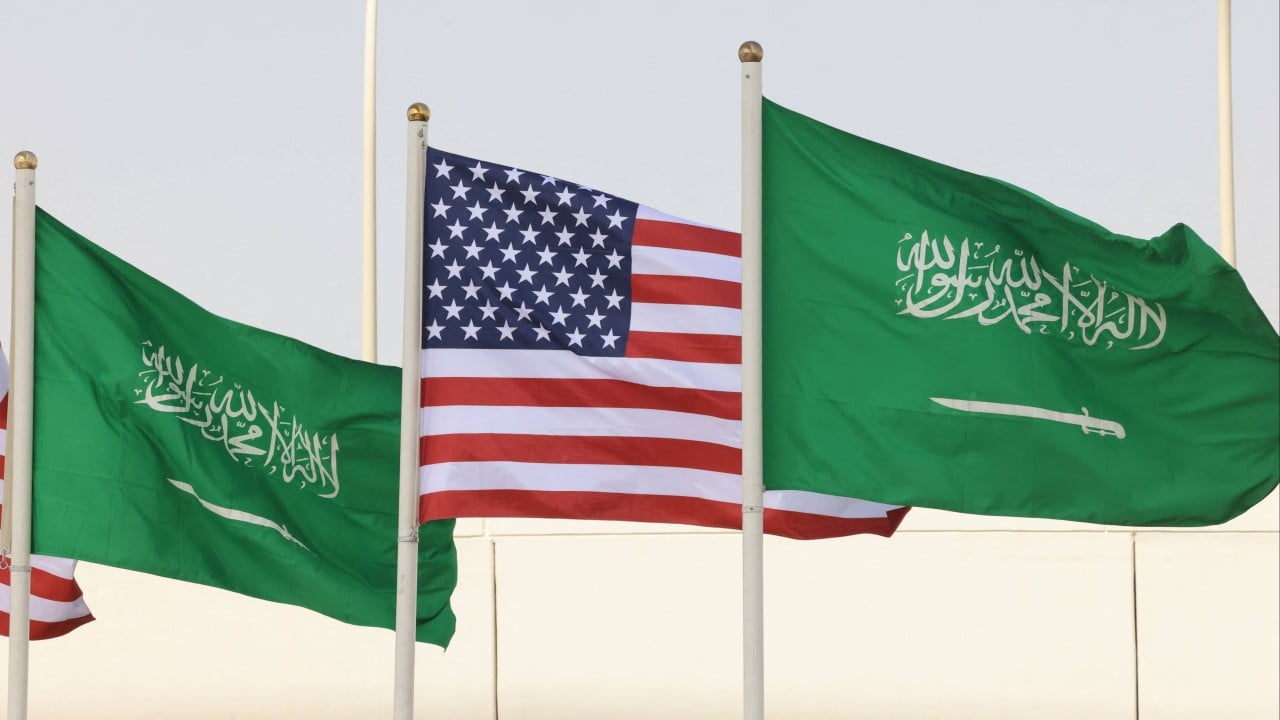
The United States and Saudi Arabia just signed a landmark civil nuclear agreement under Section 123 of the U.S. Atomic Energy Act. Energy Secretary Chris Wright and Saudi Energy Minister Prince Abdulaziz bin Salman finalized the 30-year pact, unlocking a multi-billion-dollar pipeline for American companies like Westinghouse.
It sounds like a standard international infrastructure deal. It isn't.
The new accord sidesteps the long-standing "gold standard" of nuclear nonproliferation that Washington enforced for decades. It opens a realistic door for Saudi Arabia to enrich uranium on its own soil.
Breaking down the Section 123 agreement
To sell reactors, components, or technology to another country, U.S. law mandates a Section 123 agreement. Washington maintains dozens of these arrangements around the globe.
When the United Arab Emirates inked its nuclear deal with Washington in 2009, it agreed to a strict condition: zero domestic enrichment and zero reprocessing of nuclear fuel. The UAE agreed to buy all its fuel from foreign vendors. Policy experts called that the gold standard.
Riyadh refused those terms from day one. Crown Prince Mohammed bin Salman made it clear that Saudi Arabia has massive domestic uranium reserves and intends to refine them.
The newly signed deal accommodates Riyadh's demands. Rather than banning enrichment outright, the agreement outlines a framework where a joint U.S.-Saudi study could pave the way for a domestic uranium enrichment plant inside the kingdom.
The agreement also omits the International Atomic Energy Agency's (IAEA) Additional Protocol. That protocol gives international inspectors short-notice access to unannounced sites. Omitting it removes a major layer of global transparency.
Why Washington signed off now
You might wonder why Washington would drop its strict nonproliferation requirements.
The answer comes down to global influence.
Saudi Arabia was going nuclear regardless. Had the U.S. walked away, Riyadh was fully prepared to build its civil nuclear sector using technology from state-owned firms in China or Russia.
Had Beijing or Moscow built the kingdom's reactors, American influence over Saudi energy security would have vanished for fifty years. American firms would have lost tens of billions of dollars in export contracts.
By signing this 123 agreement, Washington ties Riyadh to American technology, American supply chains, and American safety protocols for the next three decades. From a hard-nosed geopolitical perspective, controlling 80% of a nuclear program's oversight beats having 0% oversight over a Russian-built plant.
There is an economic push too. The U.S. commercial nuclear sector desperately needs revenue. Contracts to build large AP1000 reactors in the kingdom represent massive windfalls and thousands of high-tech domestic manufacturing jobs.
The regional stakes and proliferation debate
The line between low-enriched uranium for commercial power plants and weapons-grade uranium for warheads is purely a matter of processing time and centrifuge configuration.
Crown Prince Mohammed bin Salman previously stated publicly that if Iran acquires a nuclear weapon, Saudi Arabia will follow suit as quickly as possible.
Critics in Congress and across nonproliferation groups argue that giving Riyadh the infrastructure for enrichment creates a turnkey capability. If regional security breaks down, a nation with enrichment technology can theoretically shift production from 5% power-grade uranium to 90% weapons-grade fuel.
The regional dynamic is already fragile. Israel has long voiced deep unease over any regional Arab state acquiring enrichment infrastructure. Meanwhile, Washington maintains that strict bilateral U.S.-Saudi safeguards built into the deal will keep the program purely civilian.
What happens next in Congress
The deal isn't automatically final. U.S. law requires the executive branch to submit Section 123 agreements to Congress for a statutory 90-day review period.
Lawmakers will hold contentious hearings. Expect pushback from bipartisan coalitions concerned about regional security and the precedent this sets for future nonproliferation deals.
Under current rules, stopping the deal requires Congress to pass a joint resolution of disapproval. The president can veto that resolution, meaning opponents would need a two-thirds majority in both the House and Senate to kill the agreement outright. That is a high legislative bar that critics rarely clear.
To track this going forward, watch three specific indicators: whether Congress attempts to attach mandatory IAEA Additional Protocol requirements to the deal, the technical findings of the upcoming joint U.S.-Saudi enrichment study, and how commercial reactor vendor selections unfold over the coming months.