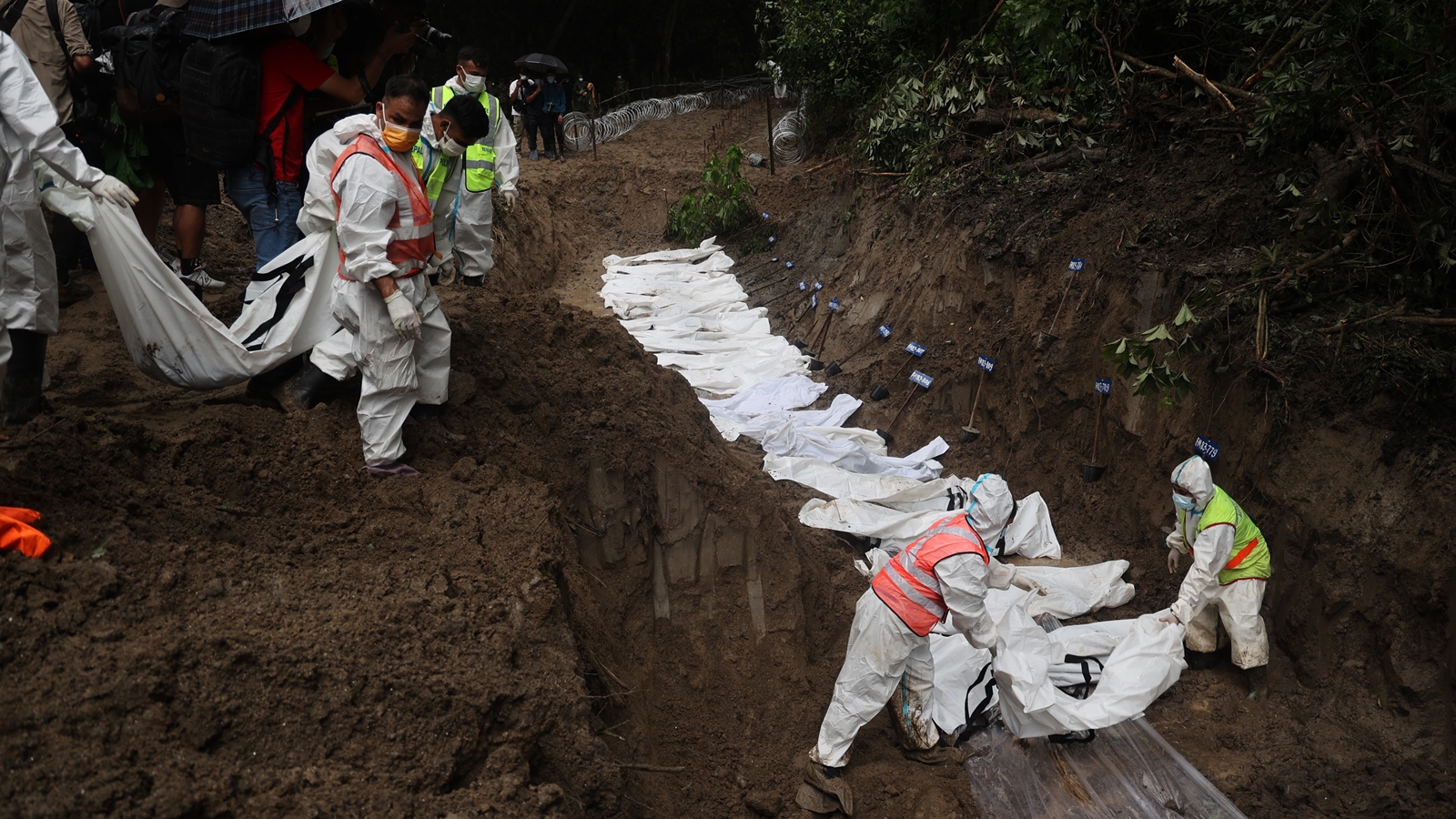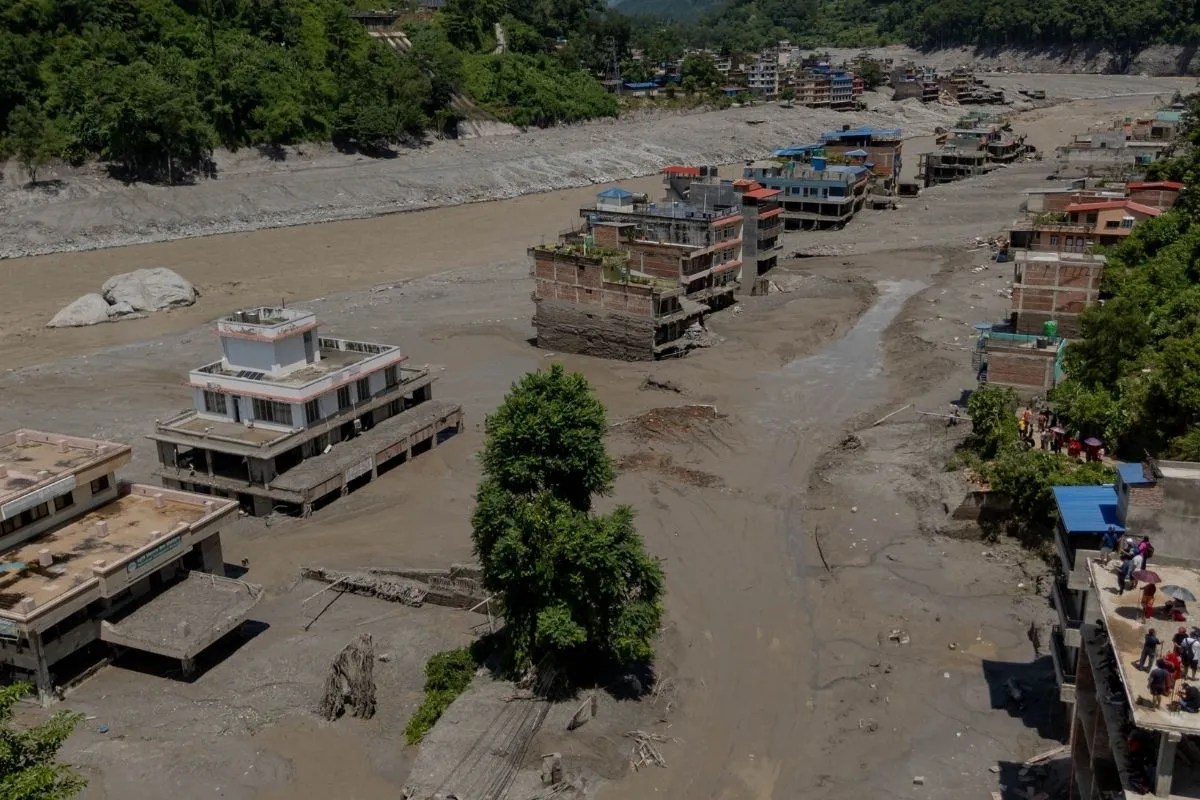
When flash floods tore through the Trishuli and Lhende river basins in late August 2026, they didn't just wash away roads and homes—they smashed through the core of Nepal's energy grid. Suddenly, a country that had spent years proudly exporting surplus hydropower to its neighbors found itself staring at a massive generation deficit.
The disaster crippled over a dozen hydropower projects, wiping out roughly 550 megawatts of domestic generation capacity almost overnight. For a nation heavily dependent on run-of-the-river hydro, this meant Kathmandu had no choice but to knock on New Delhi's door and ask to fast-track electricity imports weeks ahead of schedule.
The Reality of Himalayan Infrastructure Risks
Building energy projects in the Himalayas is a high-stakes gamble. For years, warnings about fragile mountain slopes, glacial lake outbursts, and intense monsoon downpours have been routinely sidelined in the rush to tap into thousands of megawatts of potential green energy.
When the floodwaters hit the Rasuwa and Nuwakot districts, they damaged key facilities like the Upper Trishuli projects and the Devighat plant. Workers were trapped in thick mud inside tunnels, and substations were completely obliterated.
This disaster highlights a brutal truth about regional energy planning. You cannot treat climate resilience as an afterthought. When generation drops by hundreds of megawatts, local solar power banks and emergency line rerouting from Sindhupalchok are only temporary band-aids. Long-term grid stability requires heavy, dependable external backing.
How the Cross-Border Grid Keeps the Lights On
This is where the cross-border power infrastructure proves its worth. Normally, Nepal imports electricity from India during the freezing winter months when rivers freeze and domestic output plummets, turning into an exporter during the summer runoff.
The recent crisis inverted that timeline entirely. Kathmandu requested the Indian government to advance seasonal import approvals starting in September rather than waiting for October or November.
Fortunately, the high-capacity 400 kV Dhalkebar-Muzaffarpur cross-border transmission line remains fully operational. While Nepal's export flow to India dipped by about 400 MW, India's massive national grid capacity and healthy generation reserve margins mean that absorbing this shift causes zero disruption to retail supply on the Indian side.
What Comes Next for South Asian Energy Trade
The devastation in the Himalayas serves as an expensive, tragic lesson for energy planners across South Asia. Relying entirely on run-of-the-river hydropower without robust storage facilities or diversified generation leaves national grids dangerously exposed to sudden climate shocks.
Nepal must rethink where and how it builds critical infrastructure. Integrating solar assets, improving early-warning systems for glacial movements, and strengthening regional grid interconnectivity are no longer optional policy talking points. They are basic requirements for survival.
As repair work crawls through mud-choked valleys and authorities manage the humanitarian crisis, the immediate energy shortfall is being plugged through international cooperation. Moving forward, South Asian energy security depends entirely on how quickly both nations can adapt their grids to an increasingly volatile climate.