Imagine your hometown is famous for growing some of the finest organic cocoa beans in East Africa. It is a stunning, mountainous region with steep green valleys, misty ridges, and a quiet border with the Democratic Republic of Congo.
Then imagine the World Health Organization tethers your home's name to a terrifying viral hemorrhagic fever forever.
That's the reality for the 200,000 residents of Bundibugyo, a picturesque district in western Uganda. In May 2026, the word Bundibugyo started trending globally for all the wrong reasons. A severe Ebola outbreak in Congo's neighboring Ituri province has triggered an international health alert. Because the specific virus causing the devastation is the Bundibugyo ebolavirus strain, headlines worldwide are plastering the district's name next to mounting death tolls.
Ugandans are furious about it. The frustration boils down to an unfair economic and social stigma affecting a place that currently has zero cases of the virus.
The Cost of a Name on Uganda's Economy
When global health updates announce dozens of deaths from the Bundibugyo virus, international travelers don't stop to read the scientific fine print. They don't check whether the outbreak is actually happening inside Uganda or across the border in Congo. They just cancel their safaris.
Ugandan government spokesman Alan Kasujja took to social media to voice the collective exhaustion of the community. He noted that Bundibugyo is simply too beautiful to be the name of a disease and argued that it is time to take back the name. President Yoweri Museveni also had to step in publicly, urging tourism boards to actively fight the false perception that Ebola is sweeping through Uganda.
The economic fallout of geographical disease naming is incredibly real. Uganda relies heavily on nature tourism and agricultural exports like cocoa. When a region's name becomes synonymous with a deadly pathogen, local businesses pay the price. Potential buyers question the safety of agricultural shipments, and tourists choose safer-sounding destinations.
The Scientific Reality of the Bundibugyo Strain
The naming convention goes back to November 2007, when a mysterious hemorrhagic fever broke out in western Uganda. It wasn't the Sudan strain, which killed hundreds of Ugandans in 2000. It also wasn't the infamous Zaire strain, named after the Congolese river where Ebola was first discovered in 1976.
Scientists at the U.S. Centers for Disease Control and Prevention analyzed the blood samples and realized they were looking at a completely distinct species. Following standard virological practices of the time, they named it after the location of discovery.
The Bundibugyo strain behaves differently than other variants, which makes the current 2026 outbreak in Congo particularly tricky.
- High Fatality Rates: Historical data shows this strain has a case-fatality rate ranging from 25% to 51%.
- No Approved Vaccines: The standard Ervebo vaccine manufactured by Merck targets the Zaire strain. While there is faint hope from animal studies that it might offer mild cross-protection, it is not proven to protect humans against the Bundibugyo strain.
- Hard to Diagnose: Early symptoms look identical to malaria, typhoid, or basic flu. By the time severe bleeding and vomiting start, the virus has usually spread to family members and healthcare workers.
The Geography Problem in Global Health
The World Health Organization knows that naming diseases after places is a bad policy. They famously changed the name of monkeypox to mpox to avoid stigmatizing geographic regions and animal populations. They also stopped naming flu variants after countries of origin to protect local economies from knee-jerk travel bans.
Yet, older taxonomic classifications for filoviruses remain locked in place. Because the International Committee on Taxonomy of Viruses established the species name years ago, global health bodies continue to use it in official briefings.
Uganda's current situation highlights the hypocrisy of the system. The country has detected only two cases during this entire 2026 scare. Both were Congolese nationals who crossed the border before Congo officially declared the outbreak. One of those individuals sadly died in a Kampala hospital, and the other is being managed in strict isolation.
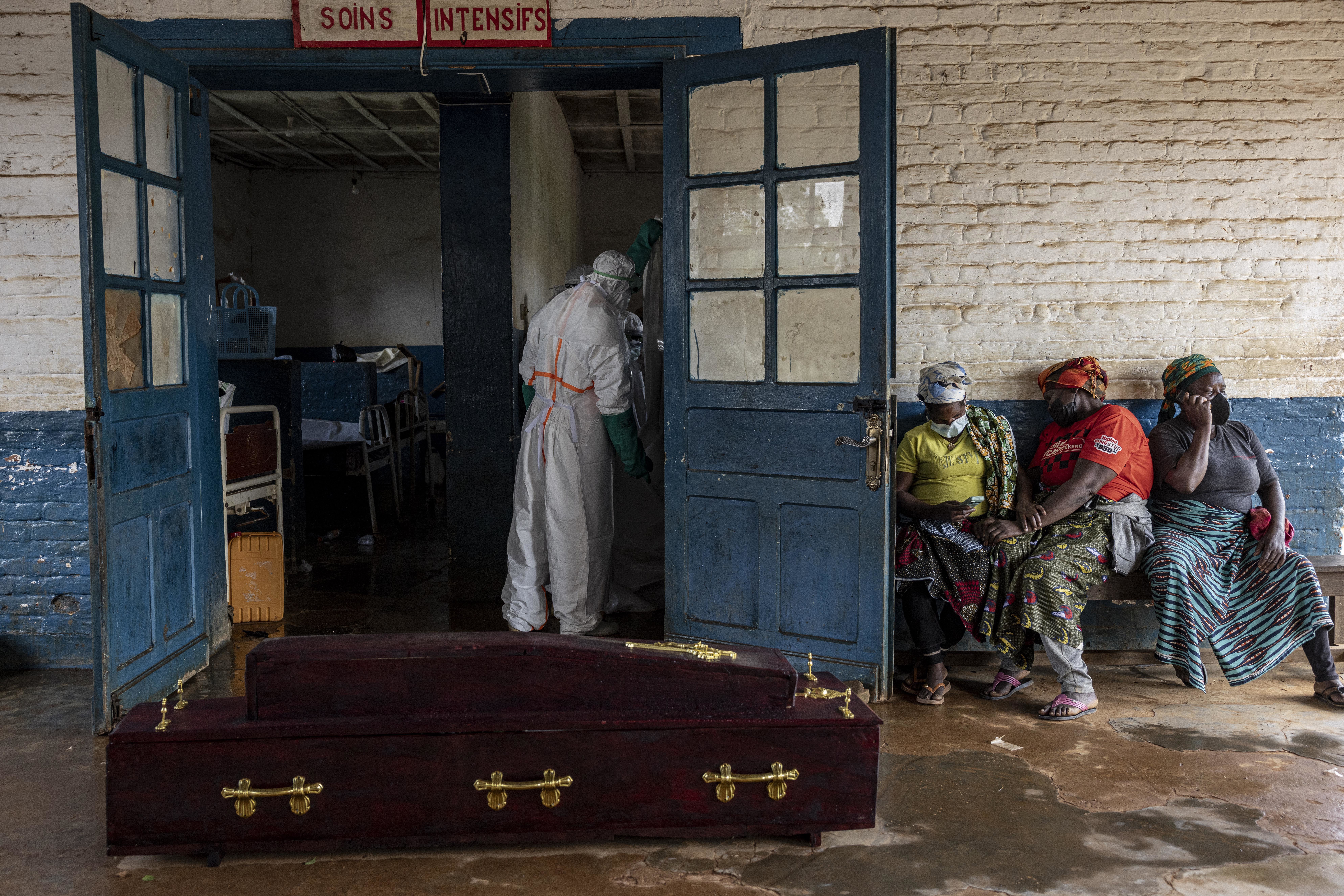
The actual epicenter of the crisis sits firmly in Congo's Ituri province, where more than 160 suspected deaths have occurred. Yet Uganda bears the reputational brunt because of a decision made by scientists in a lab nearly two decades ago.
Stopping the Spread Without the Stigma
Faced with a highly lethal virus that lacks a dedicated vaccine, Ugandan health officials aren't relying on global authorities to fix the branding issue. They are focusing on aggressive containment measures on the ground.
Dr. Emmanuel Batiibwe, an experienced hand who managed Uganda's 2022 Ebola response, emphasizes that cross-border commerce is the single highest risk factor. Traders move constantly between eastern Congo and western Uganda, meaning borders cannot simply be locked tight without destroying local livelihoods.
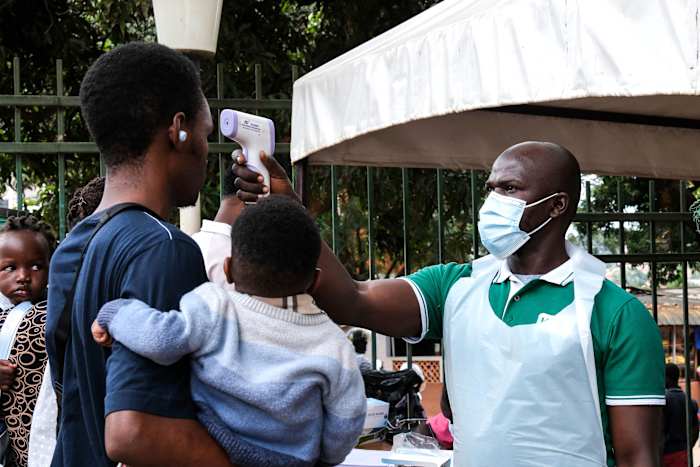
Instead, the response relies heavily on enhanced surveillance at every single point of entry. President Museveni has already instituted strict protocols, including suspending public transportation and flights between Congo and Uganda. The government even postponed a massive annual religious pilgrimage scheduled for early June that typically draws thousands of worshippers from Congo to a basilica near Kampala.
Controlling an outbreak of this specific strain means health workers must run intense contact tracing campaigns. Because medical therapies for the Bundibugyo virus are severely limited, early isolation is the only way to break the chain of transmission.
If you are tracking global health news or planning travel in East Africa, look past the scary headlines. Do not conflate the scientific name of a virus with its actual location. Bundibugyo remains a safe, beautiful district of hard-working farmers, even if the medical journals say otherwise.