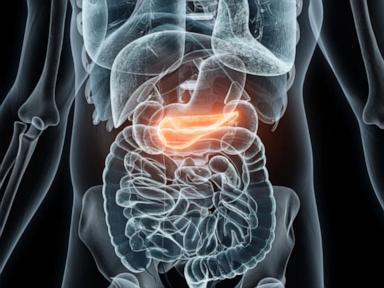
Pancreatic cancer has a reputation as a death sentence. For decades, the survival rates stayed stubbornly low while other cancers saw massive breakthroughs. But the medical community is finally seeing a shift that isn't just a minor statistical blip. We're talking about a new drug regimen called NALIRIFOX. It’s proving that we can actually push back against one of the most aggressive diseases known to medicine.
If you or someone you love is facing a diagnosis of metastatic pancreatic ductal adenocarcinoma, you don't have time for vague hope. You need the data on what’s working right now in 2026. This isn't about a "miracle cure" that doesn't exist. It's about a concrete, aggressive treatment protocol that is outperforming the previous gold standard. If you liked this piece, you should read: this related article.
The NAPOLI 3 Trial Results
The excitement surrounding NALIRIFOX stems from the NAPOLI 3 clinical trial. This wasn't some small, observational study. It was a massive, phase 3 randomized trial involving 770 patients across 18 countries. Researchers compared the new NALIRIFOX cocktail against the long-standing standard of Nab-paclitaxel plus Gemcitabine.
The numbers don't lie. Patients on the NALIRIFOX regimen showed a statistically significant improvement in overall survival. While a few months might not sound like much to a healthy person, in the world of Stage IV pancreatic cancer, those months represent birthdays, holidays, and time to get affairs in order. They represent life. Specifically, the median overall survival for the NALIRIFOX group was 11.1 months, compared to 9.2 months for those on the older Gemcitabine/Nab-paclitaxel combo. For another perspective on this story, see the recent coverage from Everyday Health.
Breaking down the NALIRIFOX cocktail
What is this stuff anyway? NALIRIFOX is a four-drug combination. It includes liposomal irinotecan, 5-fluorouracil (5-FU), leucovorin, and oxaliplatin.
The "secret sauce" here is the liposomal irinotecan. Standard irinotecan can be tough on the body and often breaks down before it does its job. The liposomal version wraps the drug in a tiny fat bubble. This allows the medication to stay in the bloodstream longer and penetrate the dense, fibrous wall that pancreatic tumors build around themselves. Pancreatic tumors are notoriously hard to reach. They create a high-pressure environment that literally pushes drugs away. The liposomal delivery system helps bypass that defense.
Comparing the side effects
I’m not going to sugarcoat it. NALIRIFOX is a heavy hitter. When you're throwing four powerful chemotherapy agents at a tumor, your body feels it. However, the trial showed that the safety profile was manageable. It’s a trade-off.
The most common issues reported were diarrhea, nausea, and a drop in white blood cell counts (neutropenia). Interestingly, while the NALIRIFOX group had higher rates of gastrointestinal issues, the Gemcitabine group actually suffered more from anemia and low platelet counts. You have to pick your battles. If you're considering this treatment, you need a frank conversation with your oncologist about your baseline health. This isn't for everyone. It requires a certain level of physical resilience to handle the intensity.
Who should actually get this treatment
Right now, the data strongly supports using NALIRIFOX as a first-line treatment. That means it’s the first thing you try after a metastatic diagnosis. Doctors use something called the ECOG performance status to see if a patient is "fit" enough for the regimen.
Most patients in the successful trials had a score of 0 or 1. That basically means they were still mobile and able to carry out daily activities. If a patient is already very weak or bedridden, the toxicity of NALIRIFOX might outweigh the survival benefits. It’s a tough pill to swallow, but sometimes less intense treatment is the kinder choice. But for those who are fit, this is the new benchmark.
Why the stroma matters
One reason pancreatic cancer is so lethal is the "stroma." Think of it as a protective fortress of scar tissue around the cancer cells. Most chemo drugs hit that wall and bounce off.
NALIRIFOX is designed to be more persistent. By staying active in the body longer, it has a better chance of wearing down that fortress. Researchers at institutions like Memorial Sloan Kettering and MD Anderson have been focusing on this "fortress" for years. The success of NALIRIFOX validates the theory that we don't just need stronger drugs; we need smarter delivery.
The role of genetic testing
You can't talk about modern cancer treatment without mentioning biomarkers. Before jumping into NALIRIFOX or any other heavy chemo, you must get germline and somatic testing.
About 5-10% of pancreatic cancer patients have BRCA mutations. If you have that mutation, you might respond even better to platinum-based drugs like the oxaliplatin found in NALIRIFOX. Or, you might be a candidate for PARP inhibitors later on. Don't let your medical team skip the genetic profiling. It’s the difference between guessing and having a roadmap.
The reality of the 12 month mark
Let's talk about the 12-month survival rate. In the NAPOLI 3 trial, 45.6% of patients on NALIRIFOX were alive at the one-year mark. Compare that to 39.5% for the older treatment. Again, these aren't 100% cure rates. But we're moving the needle.
The goal of modern oncology is to turn pancreatic cancer into a manageable chronic condition, much like we’ve done with certain types of breast cancer or HIV. We aren't there yet. But NALIRIFOX is a bridge. It buys time for the next breakthrough, whether that’s mRNA vaccines or CAR-T cell therapy, which are both currently in human trials.
Managing the treatment cycle
Usually, NALIRIFOX is administered every two weeks. It involves an infusion at a clinic and then a portable pump you take home for 46 hours. It’s a commitment. You’re going to be tied to a pump for a couple of days every fortnight.
Patients who do best on this are those who have a solid support system. You need someone to help manage the hydration and the anti-nausea meds. Staying ahead of the side effects is the only way to finish the full course of treatment. If you wait until you’re vomiting to take your meds, you’ve already lost that day’s battle.
Practical steps if you're recently diagnosed
Don't just take the first treatment offered at a small community hospital. Pancreatic cancer requires a high-volume center.
- Seek a second opinion at an NCI-Designated Cancer Center. They have more experience with NALIRIFOX and access to clinical trials if the standard chemo fails.
- Ask specifically about "NAPOLI 3 protocol" or NALIRIFOX. Some older oncologists might still default to Gemcitabine because they're more comfortable with it. Demand the data.
- Get a nutritionist involved immediately. Cachexia (muscle wasting) kills many pancreatic patients before the cancer does. You need high-protein, high-calorie support to withstand NALIRIFOX.
- Check your insurance coverage. Liposomal irinotecan is significantly more expensive than standard irinotecan. You'll likely need a dedicated financial navigator at the hospital to handle the authorizations.
The landscape is changing. It's slow, and it's frustrating, but the era of "nothing can be done" is over. NALIRIFOX is the proof. Take the data to your doctor, ask the hard questions about your performance status, and make sure you're getting the most aggressive treatment your body can handle. Your life literally depends on it.