Don't be fooled by the headlines coming out of Naypyidaw this week. While the news that Aung San Suu Kyi’s prison sentence has been "trimmed" again sounds like a breakthrough, it’s basically a rounding error in a much larger, darker game of political chess.
On April 30, 2026, Myanmar’s military leader turned "civilian" president, Min Aung Hlaing, issued a blanket reduction for all prisoners across the country. Every inmate had their remaining sentence cut by one-sixth to mark a public holiday. This follows a nearly identical move during the Myanmar New Year on April 17. On the surface, it looks like a softening stance. In reality, it’s a desperate attempt to buy international legitimacy without giving up an ounce of actual control.
The Math of a Mockery
The numbers don't add up to freedom. Before these recent cuts, the 80-year-old Nobel laureate was staring down a 27-year sentence—already "reduced" from an original 33 years. When you take a one-sixth cut from a sentence built on fabricated charges like "illegal walkie-talkie possession" and "corruption," you aren't witnessing justice. You're watching a jailer play with his food.
By current estimates, even with these reductions, Suu Kyi is still looking at roughly 18 years behind bars. For a woman her age, that’s effectively a life sentence. The military knows this. They aren't trying to let her out; they're trying to make her continued detention look "reasonable" to regional partners like ASEAN and neighbors who are increasingly weary of the chaos in Myanmar.
What Actually Changed
While the headlines focus on Suu Kyi, the April amnesties did produce one major shift: the release of former President Win Myint.
- Win Myint's Release: Unlike Suu Kyi, her top aide was actually pardoned and let go earlier this month.
- Mass Release: Over 4,300 prisoners were freed in the mid-April wave, though only a tiny fraction—estimated at less than 14%—were political detainees.
- Sentence Conversions: Death sentences were commuted to life, and life sentences were capped at 40 years.
Why the Sudden Kindness
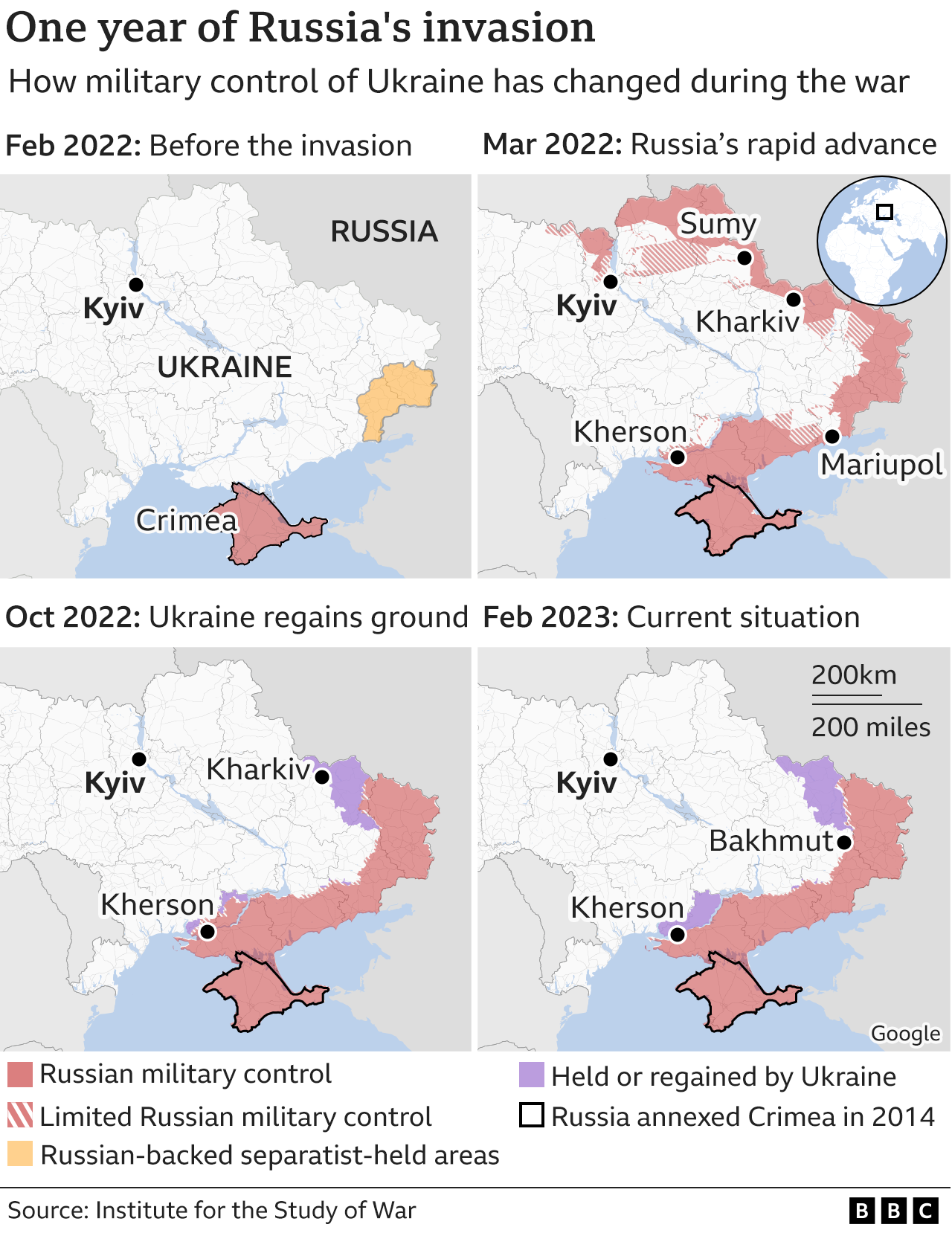
Min Aung Hlaing didn't wake up with a change of heart. He recently moved from "Junta Chief" to "President" in a choreographed transition that nobody outside his inner circle takes seriously. He’s under immense pressure. The country is in the middle of a brutal civil war, the economy is in the toilet, and the resistance forces (the PDF) have taken significant territory in the borderlands.
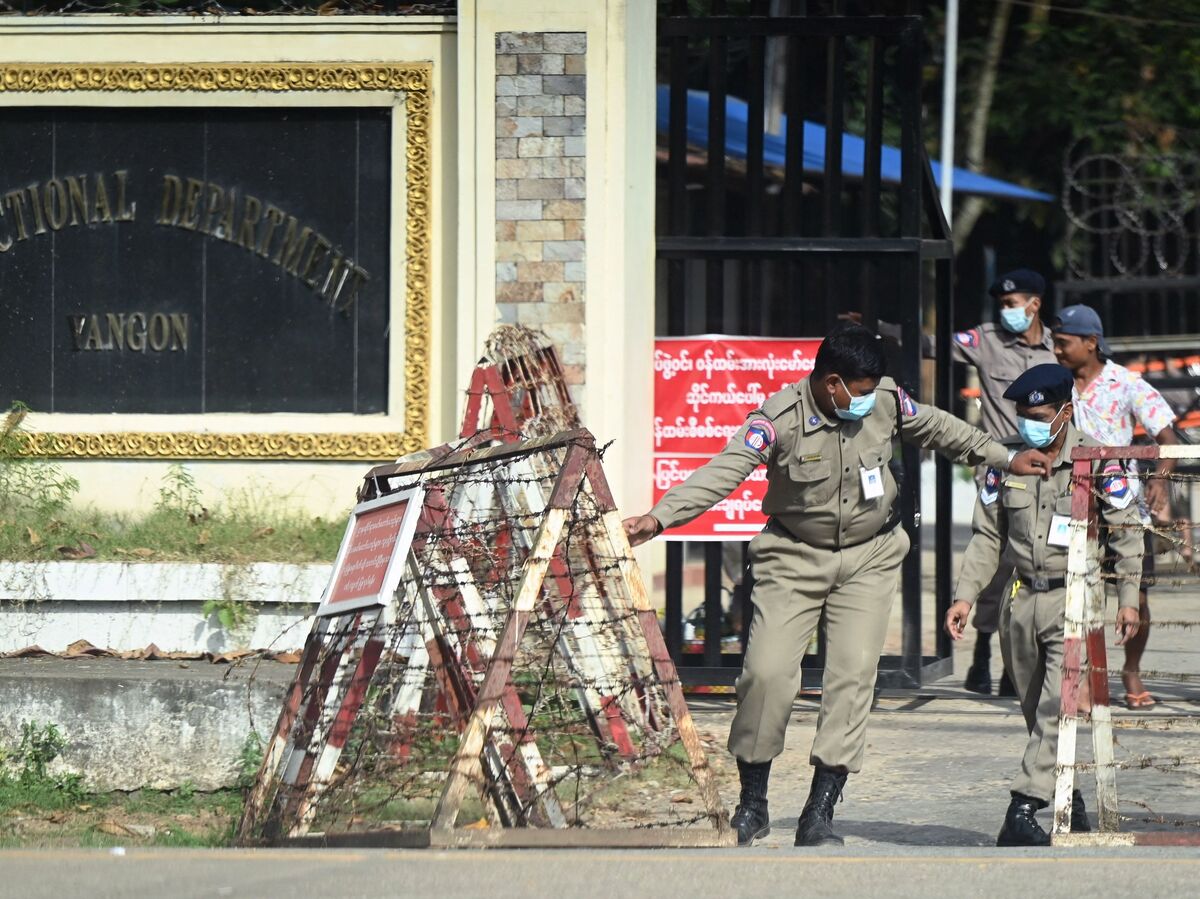
He needs a win. Trimming a few years off a famous prisoner’s sentence is the easiest way to generate "positive" press without actually stopping the airstrikes on villages or releasing the thousands of other activists rotting in Insein Prison. It’s a classic move from the military’s old playbook: use political prisoners as bargaining chips whenever the international community starts turning up the heat.
The Health Crisis Nobody is Talking About
The most worrying part of this "sentence reduction" is that we still haven't seen her. Suu Kyi has been held almost entirely incommunicado since the 2021 coup. Her son, Kim Aris, has been vocal about her declining health, reporting that she’s suffered from severe dental issues and painful bouts of low blood pressure.
A "one-sixth reduction" doesn't mean anything if the prisoner isn't healthy enough to see the end of the year, let alone the end of the decade. The military keeps claiming she’s being "well looked after," but they won't let her lawyers or independent doctors see her. If they were truly confident in her well-being, she’d be back in her home on University Avenue, not hidden in a secret location in the capital.
What Happens Next
If you're looking for real progress, stop watching the sentence clocks and start watching the conditions of her detention. There’s been talk about moving her to house arrest—a familiar state for her—but even that hasn't been officially confirmed with any "proof of life."
The international community needs to stay focused on three things:
- Direct Access: Demanding that the Red Cross or UN envoys actually meet with Suu Kyi.
- The Others: Don't let the focus on one famous face distract from the 20,000+ other political prisoners who didn't get a headline this week.
- The "Election": The junta is trying to use these amnesties to pave the way for a sham election later this year or in 2027.
Don't let the "reduction" narrative fool you into thinking the crisis is over. It’s just the same old regime trying to dress up a 27-year hostage situation as a legal process. If the military were serious about reconciliation, they wouldn't be doing math; they'd be opening the gates.