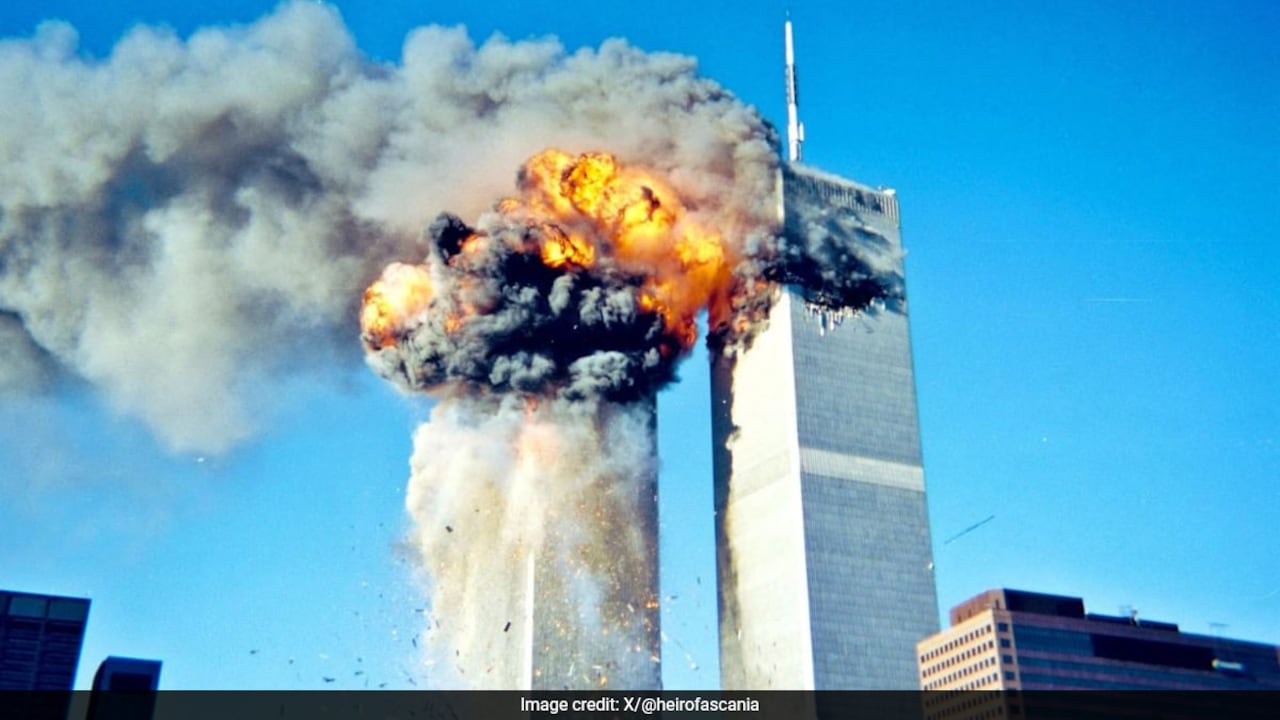
September 11, 2001. A Tuesday.
The smoke was still thick over Manhattan, casting a bruised shadow across the East River, when a secure red telephone rang inside the Moscow office of Vladimir Putin. Thousands of miles away from the pulverized concrete of the World Trade Center, the Russian president picked up the receiver. On the other line was George W. Bush.
For a brief, impossible window, the old maps did not matter.
Cold War ghosts were stuffed back into their iron lockers. Intelligence files, usually guarded like state secrets, began flying across oceans in reverse directions. Russian radar stations tracked flights over Central Asia, offering a quiet green light to American military logistics. When Washington needed to open supply lines into Afghanistan, Moscow did not slam the door. They held it open.
Historians will call it a geopolitical alignment. Ordinary people called it relief.
That morning changed the air we breathed. Not just because of the ash that drifted over the Atlantic, but because for a single, terrifying heartbeat, Washington and Moscow looked at the exact same screen and saw the exact same monster. Radical transnational terrorism. No borders. No uniforms. Just a shared, unvarnished vulnerability.
Putin was the first foreign leader to call the White House. He did not offer stiff diplomatic condolences. He offered partnership. He understood, better than most Western leaders cared to admit, the jagged edge of Islamist extremism bleeding through Russia's own southern border in Chechnya. He thought he had found a shared language.
He was wrong.
The Anatomy of a Drift
Trust is expensive. Betrayal is cheap.
To understand how Russia-West relations unraveled from that moment of profound solidarity into the frozen standoff we know today, you have to look at the geometry of power. When a giant stumbles, its neighbors watch to see where it will step next.
By 2003, the initial shock had worn off. The geopolitical machinery of Washington ground back into motion, driven by an old, stubborn reflex: unilateralism. The invasion of Iraq happened despite bitter protests from the Kremlin. Moscow watched as the post-Cold War architecture they had hoped to join as an equal partner was bypassed entirely.
Imagine two old chess players standing over a board. One player stops the game, sweeps aside the pieces to deal with a sudden fire in the room, and when they return, they simply shove the opponent’s king aside to plant their own flag.
That is how Moscow felt.
The expansion of NATO eastward, swallowing former Soviet satellite states like the Baltic nations, went from a low-level diplomatic irritant to a throbbing wound. To the West, it was a voluntary march toward freedom by sovereign nations. To the Kremlin, it was a closing noose. Every new flag raised over a base near the Russian border felt like a broken promise made in the waning days of 1991.
We forgot to listen to what fear sounds like when it speaks Russian.
The Turning Point in Munich
February 2007. The Bayerischer Hof hotel in Munich.
The annual security conference is usually a polite affair of gray suits, lukewarm coffee, and diplomatic platitudes. Leaders speak in circles, nodding politely, smiling for the cameras.
Then Putin took the podium.
The speech was not a negotiation. It was an indictment. He called out American hegemony, criticized the unipolar model of global governance, and warned that NATO expansion represented a serious provocation that reduced the level of mutual trust.
The room went dead silent. You could hear the hum of the television cameras recording history breaking in real-time.
Western diplomats shifted uncomfortably in their chairs, dismissing it as political theater, a lingering resentment from a fallen empire. That dismissal was a mistake. When someone tells you they are building a wall, you should stop checking their paint and start looking at their bricks.
The ghosts were out of the locker again.
The Cost of Disconnection
By the time the economic crashes and regional conflicts of the late 2000s rolled around, the goodwill of September 11 was entirely fossilized.
Georgia in 2008. Ukraine in 2014. Step by step, the dialogue eroded into sanctions, expulsions, and midnight cyber skirmishes. The shared intelligence channels that opened in the autumn of 2001 rusted shut.
Consider what happens when neighbors stop talking across the fence. At first, they just turn down the music. Then they stop waving. Eventually, they build high wooden barriers, paint them dark colors, and start assuming the worst about every shadow that moves in the yard next door.
The tragedy of the post-9/11 era is not that the two sides could not find common ground. It is that they found it, stood on it together, and then deliberately walked away because neither knew how to share the victory.
The ash has long since settled in New York. The red telephone in Moscow sits quiet, gathering dust in a world that has grown wider, colder, and infinitely more dangerous.
Look out the window at the evening sky. Somewhere beneath it, two capitals are staring at their own glowing screens, listening to static, waiting for the other side to blink.