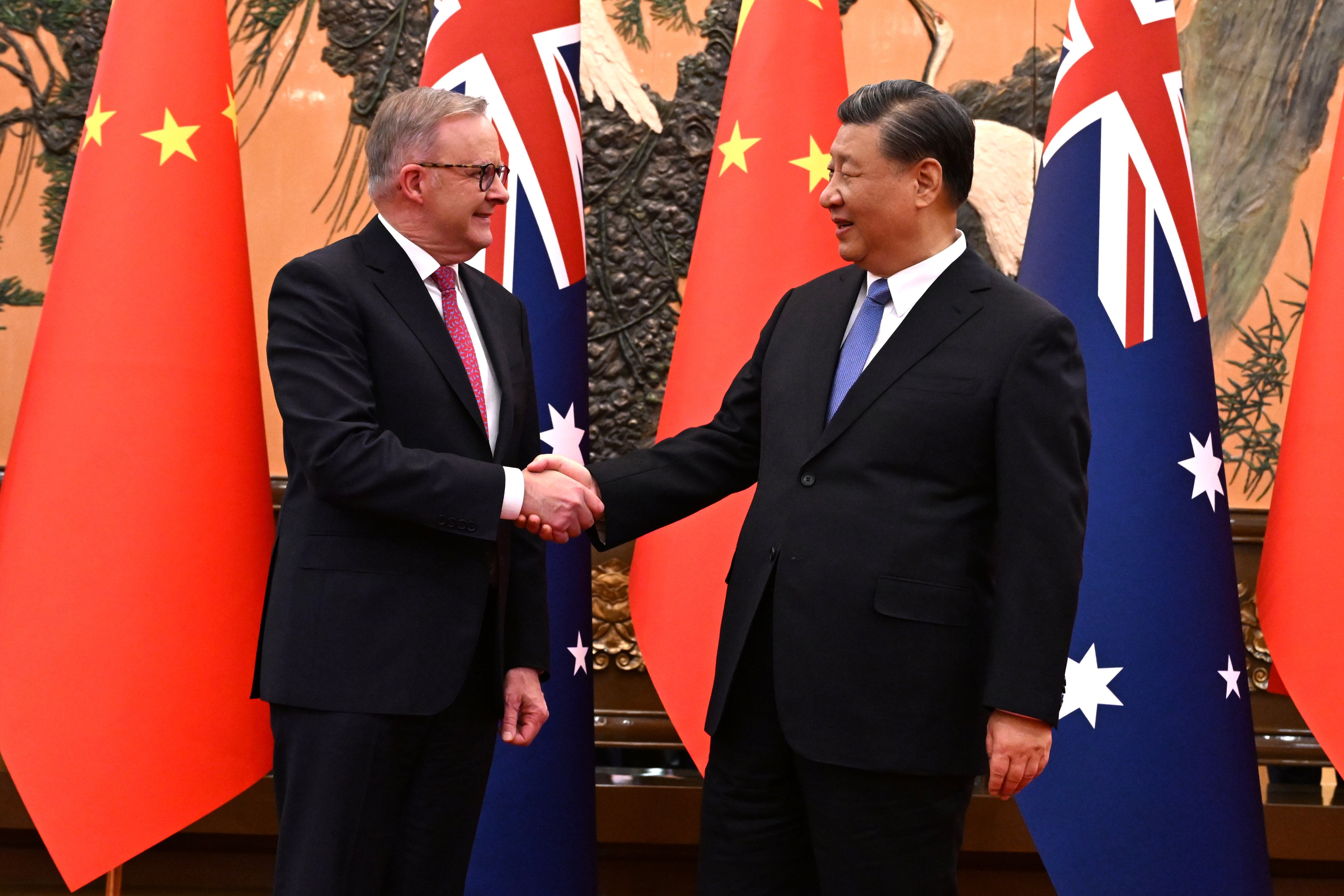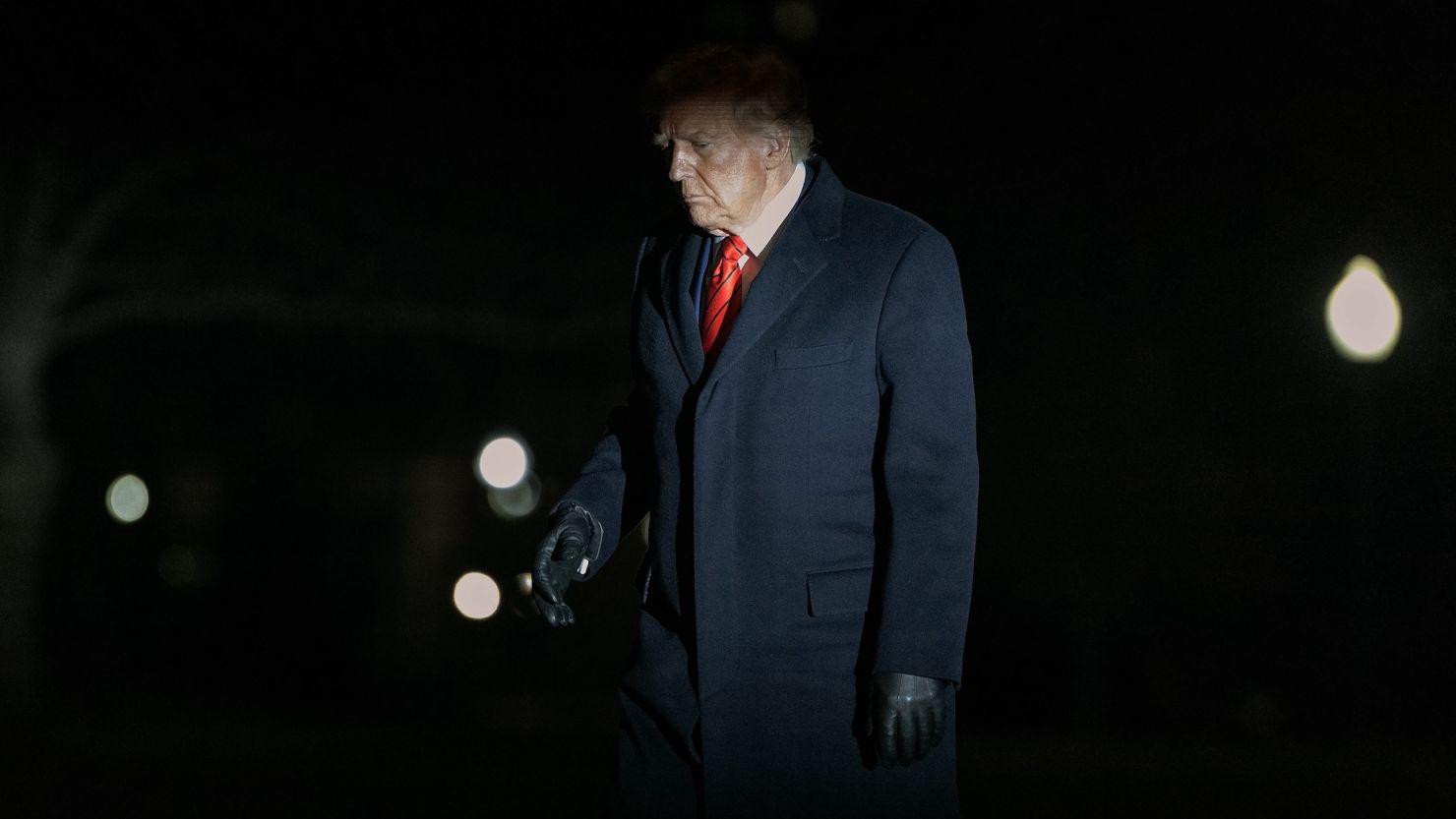
The peace talks in Islamabad didn't just stall; they hit a brick wall at 100 miles per hour. If you were hoping the ceasefire signed earlier this month would lead to a permanent handshake, I've got some bad news. The April 12 breakdown between the U.S. delegation and Iranian officials means the 40-day war we just witnessed might've been the opening act. We're looking at a region that's exhausted, yet somehow more volatile than it was in February.
You're probably wondering why they couldn't just settle on a deal when both sides are bleeding. It’s simple. The gap between President Trump’s "zero enrichment" demand and Tehran’s insistence on "nuclear sovereignty" isn't a gap anymore—it’s a canyon. After 13,000 U.S. strikes and 10,000 Israeli sorties, the Iranian leadership is backed into a corner, and a cornered regime rarely signs away its only remaining leverage.
The Strait of Hormuz is the New Front Line
The most immediate danger isn't a nuclear bomb—it’s the price of your gas. After the talks collapsed, the White House didn't wait to act. They've already moved to formalize a blockade of the Strait of Hormuz to stop Iranian oil from sneaking out. This is a massive gamble. Iran has already shown it can and will hit shipping, and if they’re completely cut off from their last bit of revenue, they’ll likely try to sink everything in the channel.
It’s not just about military ego. If the Strait closes or stays under heavy fire, global energy markets go into a tailspin. We’ve already seen oil prices spike over the last six weeks, and a failed diplomatic track ensures that volatility is here to stay. The U.S. Navy is stretched thin, and Iran’s remaining "mosquito fleet" of fast-attack boats can still cause plenty of chaos even after their main navy was crippled in March.
What Both Sides Actually Want
To understand the deadlock, you have to look at the "10-point plan" versus the "15-point plan." Tehran wants reparations for the damage caused since February 28 and a guarantee that the U.S. won't try for "regime change from the skies" again. Honestly, they’re dreaming if they think Washington is going to cut a check for the destruction of IRGC missile sites.
On the flip side, the Trump administration’s stance is basically total surrender. They want an end to all enrichment, a full dismantle of the drone program, and "anywhere, anytime" inspections. For a regime that just survived a 40-day bombing campaign, agreeing to that would be political suicide at home. They’d rather keep the centrifuges spinning in deep bunkers than hand over the keys.
- The U.S. Goal: Total neutralization of the Iranian nuclear threat.
- The Iranian Goal: Survival, sanctions relief, and a "respectable" exit from the war.
- The Israeli Factor: Jerusalem isn't at the table, but they’re in the cockpit. Any deal that doesn't satisfy their security needs will likely be met with more unilateral strikes.
The Human Cost and Internal Pressure
Don't ignore what's happening on the streets of Tehran. The regime is fighting two wars: one against U.S. B-2 bombers and another against its own people. The January 2026 protests were the most violent in decades, and the war actually gave the government an excuse to crack down even harder. But you can't eat nationalism. The economy is in shreds, and the infrastructure is failing.
If you think the Iranian people are going to rally around the flag forever, you're wrong. There’s a limit to how much a population can take when the lights won't stay on and the currency is worthless. However, the U.S. strategy of "maximum pressure" relies on the idea that the regime will break before the country does. So far, the mullahs have proven they’re willing to let the country burn to keep their grip on power.
Why Diplomacy Failed This Time
Basically, there’s zero trust. Iran’s parliamentary speaker, Mohammad Bagher Ghalibaf, said it out loud: they don't trust the U.S. after what happened in 2018 and the recent strikes. When the U.S. sent Vice President JD Vance to Pakistan with a "take-it-or-leave-it" offer, the Iranians chose to leave it. They see any concession now as a sign of weakness that will only invite more attacks.
What to Watch in the Coming Weeks
The ceasefire is technically still in place, but it’s paper-thin. Both sides are using the "quiet" to reload. The U.S. is moving more carrier strike groups into the North Arabian Sea, and Iran is digging its remaining assets deeper into the mountains.
- Watch the IAEA reports: If inspectors are kicked out or blocked from the remaining sites in Natanz or Fordow, that’s a signal that Iran is going for a breakout.
- Watch the proxies: Hezbollah has been quiet for a few days, but they still have thousands of rockets. If they start firing from Lebanon again, the war is expanding.
- Watch the Gulf states: Countries like Saudi Arabia and the UAE are caught in the middle. They want the Iranian threat gone, but they don't want their own oil terminals blown up in the process.
The "big question" isn't really a mystery. Without a diplomatic breakthrough, we're on a collision course for a much larger conflict. The Islamabad failure wasn't just a missed opportunity; it was a signal that both sides have decided that fighting is cheaper than talking.
If you're looking for a silver lining, there isn't one right now. Your best move is to keep an eye on the Hormuz shipping data and the IAEA's access status. Those are the only two metrics that actually matter in this mess. Prepare for a long, hot, and very expensive summer in the Middle East.