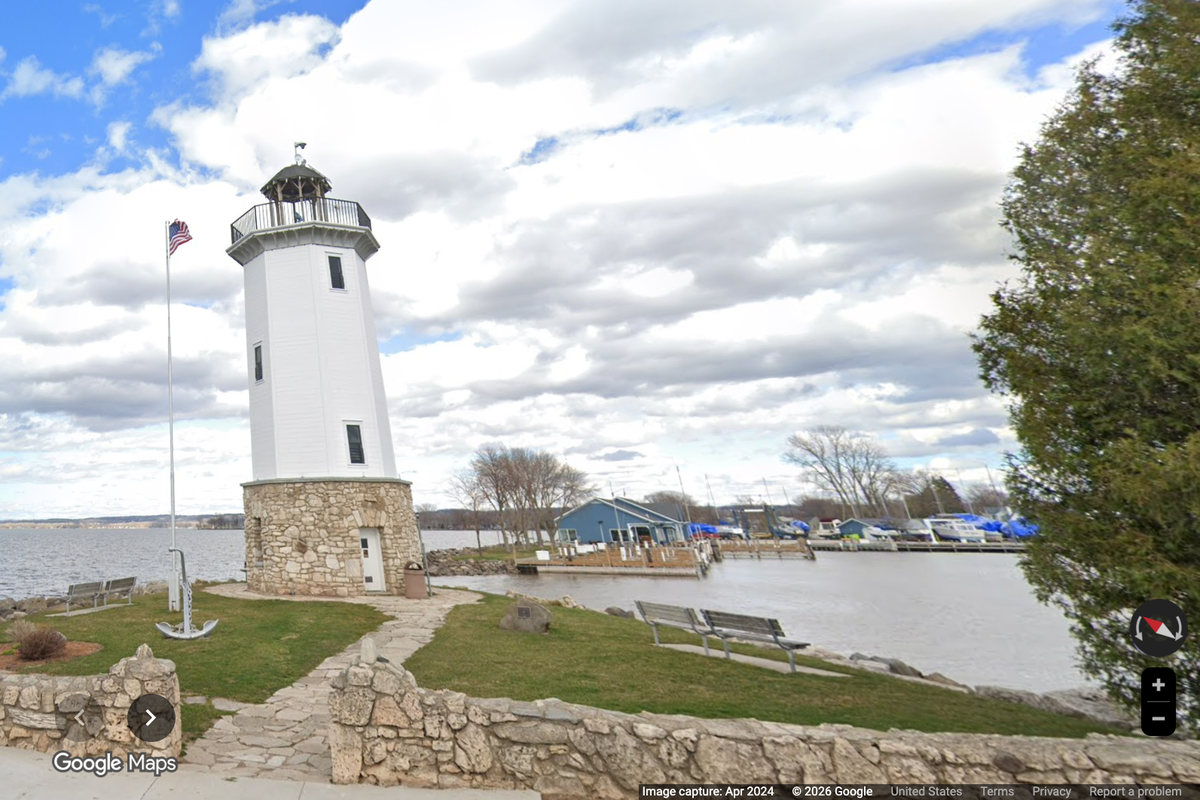
Municipalities across the American Rust Belt are increasingly shifting away from traditional corporate tax incentives to experiment with direct-to-consumer talent acquisition. The recent deployment of a $9,500 relocation package by Fond du Lac, Wisconsin—a lakeside city of roughly 43,000 residents situated at the southern terminus of Lake Winnebago—serves as a clear case study in this microeconomic paradigm shift. Rather than subsidizing corporate real estate to indirectly foster employment, the municipality is directly purchasing human capital to optimize its local tax base and fill structural gaps in the regional labor market.
Evaluating the economic viability of this strategy requires looking past the marketing headlines of municipal lifestyle perks to analyze the underlying structural mechanics. This program operates on a strict workforce capture framework rather than a remote-work subsidy model, carrying specific fiscal implications, localized constraints, and economic trade-offs that prospective residents must quantify before executing a relocation.
The Structural Mechanics of the Incentive Package
The headline figure of $9,500 does not represent a lump-sum, unencumbered cash transfer. The municipality has structured the incentive as a multi-tiered package split between immediate liquidity and non-cash community utility vouchers. Deconstructing this capital allocation reveals the true nature of the subsidy:
- Direct Liquidity ($5,500): Allocated specifically for verified moving expenses to offset the immediate friction of physical relocation.
- Localized Operational Subsidies ($4,000): Non-cash credits distributed across local services, including YMCA memberships, municipal golf packages, childcare credits, and vouchers for local merchant networks.
By tying more than 40% of the total incentive package to localized vouchers, the municipality ensures that a substantial portion of the disbursed funds remains locked within the local ecosystem, creating an immediate velocity-of-money effect for local businesses.
Workforce Capture vs. Remote Income Arbitrage
The defining economic distinction of the Fond du Lac initiative is its strict eligibility matrix. Unlike programs designed by organizations like Ascend West Virginia or Tulsa Remote—which prioritize high-earning, out-of-state remote tech workers to import external purchasing power—Fond du Lac explicitly bars remote workers, freelancers, and gig workers.
The program imposes three rigid constraints:
- Applicants must earn an annual household income of at least $55,000.
- Applicants must currently reside outside the state of Wisconsin.
- Applicants must secure verified, full-time, in-person employment with an enterprise physically operating within Fond du Lac County.
This framework shifts the fiscal objective from demand-side economic stimulus (importing digital capital to spend locally) to supply-side stabilization (alleviating structural labor deficits in localized manufacturing, healthcare, and corporate operations).
The return on investment for the municipality is governed by a predictable cost function. A household earning the baseline eligible income of $55,000 contributes reliably to municipal funding via local property taxes (directly through homeownership or indirectly through rental allocations) and local sales tax distributions. Because the individual must take a local job, the municipality also captures corporate utility, resolving talent shortages that cap the output of regional employers like Brunswick Corporation’s Mercury Marine division or local healthcare systems.
The Cost-of-Living Equilibrium
For an individual or family considering this relocation, the true value of the $9,500 subsidy is determined by the cost-of-living differential between their origin market and Fond du Lac County.
Purchasing a home in this region requires adjusting expectations to the realities of a secondary Midwestern real estate market. The local housing inventory presents lower median transaction prices relative to national baselines, but suffers from the same structural supply constraints affecting much of the broader region.
The transaction costs of moving a household—including breaking existing leases, hiring logistics providers, and paying real estate transaction fees—frequently exceed the $5,500 cash component. The economic upside is therefore found in long-term operational savings rather than the upfront subsidy.
The primary financial advantage stems from the structural compression of fixed costs:
[Origin High-Cost Metro] -> Compressed Disposable Income due to High Rent/Mortgage + Commute Sunk Costs
[Fond du Lac Target]     -> Lower Absolute Cost of Shelter + Reduced Commute Overhead = Margin Expansion
This structural compression changes the long-term cash flow of a household. For instance, the absolute reduction in daily commute overhead, paired with a lower cost per square foot for real estate, creates an ongoing compounding benefit that easily outpaces the initial municipal cash transfer within 24 months.
Structural Bottlenecks and Programmatic Risks
No municipal subsidy model functions as a flawless solution for economic migration. Individuals evaluating this program must account for three structural bottlenecks inherent to secondary markets.
The first limitation is career path dependency. Because the program requires physical, in-person employment within Fond du Lac County, the relocator becomes tethered to the local labor demand curve. The concentration of major employers in manufacturing and localized corporate operations means that if an individual experiences job separation, the local market offers fewer alternative parallel roles than a tier-one metropolitan area. This lack of labor market depth can lead to underemployment or force a secondary, unsubsidized move out of state.
The second bottleneck involves the claws and clawbacks built into municipal contracts. The program requires a minimum commitment of one full year of residency and localized employment. Violating this contract terms triggers prorated or total repayment clauses, transforming what was presented as an incentive into an immediate unsecured debt obligation.
A final, often overlooked variable is the lifestyle adjustment curve. Urban centers offer decentralized, high-density cultural and commercial infrastructure. Secondary Midwestern markets are structurally centralized around specific regional hubs, such as Lakeside Park on Lake Winnebago. For families seeking lower geographic density, outdoor access, and a shorter distance between work and home, the infrastructure is highly efficient. However, for those accustomed to expansive transit systems or round-the-clock commercial activity, the lack of metropolitan amenity depth creates an intangible lifestyle friction that financial incentives cannot fully offset.
The Strategic Decision Framework
An individual or family should only engage with the Fond du Lac program if their relocation decision meets a specific three-part strategic criteria.
First, the applicant must have an existing desire to transition from an ultra-high-density or high-cost-of-living market into a secondary mid-sized market; utilizing this program strictly for the short-term cash injection is financially inefficient when weighed against relocation friction. Second, the applicant's professional skill set must align cleanly with the specific anchor industries of the region, ensuring long-term salary growth and alternative employment options if their initial role dissolves. Third, the household must be positioned to immediately leverage the localized vouchers, such as childcare credits and community memberships, to transform the non-cash components of the incentive into real, bottom-line expense reductions.
When these three variables align, the program acts as a genuine economic accelerant, lowering the initial capital requirements of relocation and shortening the timeframe required to establish financial equilibrium in a new market.