International soccer just collided head-on with global geopolitics, and the result is a massive logistical and diplomatic circus. Mexico just agreed to host Iran's national football team during the upcoming World Cup. This choice came after the United States flatly refused to allow the Iranian squad to stay overnight on American soil.
Think about how absurd this is. Iran is scheduled to play its Group G matches in Los Angeles and Seattle. The players will fly into the United States, run onto American fields, compete in front of global audiences, and then immediately get shuttled right back across the southern border to sleep. It is a sports lodging arrangement born entirely out of wartime hostility and bureaucratic standoff.
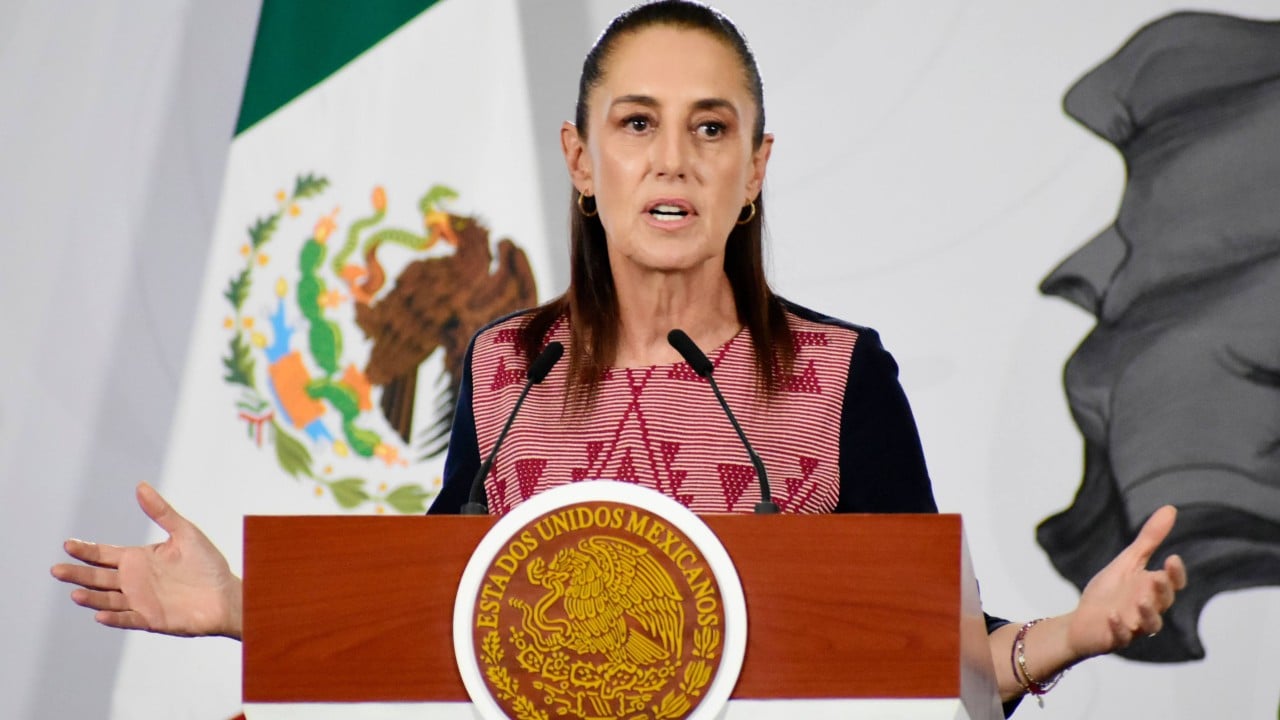
Mexican President Claudia Sheinbaum dropped this news during her daily press conference, stating that FIFA approached her government directly after Washington made its stance clear. For Mexico, it is a matter of open hospitality. For the White House, it is a rigid security line drawn in the middle of an active conflict.
The Logistics of a Border Hopping World Cup Team
Originally, the Iranian Football Federation planned to set up its tournament base camp in Tucson, Arizona. It made sense geographically. It offered top-tier facilities and kept travel times to a minimum. That plan died the moment the United States and Israel launched a military campaign against Iran on February 28.
Now, Iran's official base camp has relocated to the Mexican border city of Tijuana, right across from San Diego. FIFA recently finalized the official list of all 48 tournament base camps, confirming the sudden shift.
Managing this schedule will be an absolute nightmare for the Iranian coaching staff. Look at the travel schedule the team faces during the group stage.
- June 15: Iran vs. New Zealand in Los Angeles (Inglewood)
- June 21: Iran vs. Belgium in Los Angeles (Inglewood)
- June 26: Iran vs. Egypt in Seattle
Tijuana to Los Angeles is a relatively short trek, but doing an international border crossing before and after elite athletic performances introduces variables no coach wants. Traveling to Seattle is a four-hour flight each way. Instead of resting in a hotel room down the street from the stadium, the Iranian players will be dealing with international flights and customs checks just to go to bed.
Mehdi Taj, the head of Iran's football federation, mentioned that the squad might fly directly between Tijuana and American match cities using Iran Air flights. How the U.S. aviation authorities will handle chartered flights from a state-owned Iranian carrier during an active conflict remains a massive question mark.
Visas and the Revolutionary Guard Shadow
The overnight ban is not just petty political theater. It is deeply tied to U.S. immigration law and national security policy. The United States designates Iran's Islamic Revolutionary Guard Corps (IRGC) as a foreign terrorist organization. In Iran, military service is compulsory for young men, meaning a significant portion of athletes, coaches, and sports executives have mandatory past ties to the IRGC.
Under strict U.S. immigration laws, anyone with IRGC links is generally inadmissible to the United States. Giving these individuals extended visas to live, train, and stay in Arizona for a month was a political non-starter for the Trump administration.
We already saw a preview of this bureaucratic wall last month. When Mehdi Taj—himself a former Revolutionary Guard member—traveled with an Iranian delegation to Canada for a FIFA conference, Canadian border officials detained and questioned them at Toronto's airport for three hours. The delegation eventually gave up and turned back.
By limiting the team to strict, single-entry match-day transits, the U.S. government keeps its legal security framework intact while technically fulfilling its hosting obligations to FIFA.
Mexico Plays the Neutral Card
President Sheinbaum was quick to frame Mexico's decision as a simple matter of international goodwill and sportsmanship. She made it clear that Mexico has no reason to deny the Iranian squad a place to stay.
It is a clever diplomatic play. Mexico gets to look like the reasonable, welcoming co-host saving FIFA from an embarrassing logistical disaster, all while staying out of the direct military conflict. Sheinbaum confirmed that her administration is coordinating directly with Gabriela Cuevas, Mexico's World Cup organization representative, and the Tourism Ministry to ensure the Tijuana base camp is secure.
However, hosting a high-profile target like the Iranian national team in Tijuana comes with massive security risks. The city is already dealing with localized cartel violence, and adding a heavily politicized international sports team to the mix means Mexican federal forces will have to step up security massively.
Can FIFA Actually Keep Politics Out of the Game
FIFA loves to pretend that sports and politics don't mix. The organization frequently threatens to suspend national federations if governments interfere in local soccer operations. But a situation like this exposes that rule as complete fiction.
FIFA leadership explicitly assured Iran earlier this month that the team would be eagerly welcomed to North America. Behind the scenes, soccer's governing body was scrambling. They knew the U.S. government wasn't going to budge on overnight stays, so they went begging to Mexico City for a compromise.
This sets a wild precedent for future international tournaments. If a host country can simply refuse to lodge a specific nation based on geopolitical conflicts, the entire framework of multi-nation tournament bids starts to crumble.
Right now, a fragile ceasefire is holding between Washington and Tehran, with diplomatic talks focusing on the closure of the Strait of Hormuz and nuclear capabilities. Donald Trump recently posted that negotiations are proceeding nicely, but warned that if a great deal isn't reached, it is back to the battlefront.
The World Cup kicks off on June 11 in Mexico City. The tournament will play out against a backdrop of active geopolitical brinkmanship. Iran's players will have to tune out the noise, ignore the exhausting border commutes, and somehow focus on playing football.
If you are following the tournament logistics, keep a close eye on the Tijuana-San Diego border entry points starting early June. The daily transit of an entire World Cup squad under armed escort will be unlike anything sports fans have ever seen. Monitor the flight schedules out of Tijuana international airport for unexpected delays that could directly impact Iran's match readiness against New Zealand and Belgium.