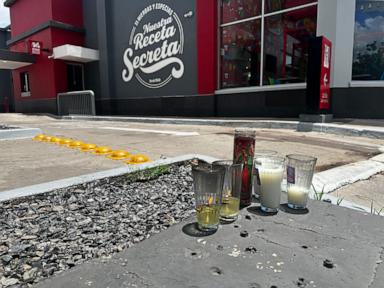
Digital fame turned deadly when 25-year-old TikTok creator César Gastélum was shot dead while broadcasting live in Culiacán, Mexico. The horrifying incident, captured in real-time as he stood outside a restaurant with friends, wasn't an isolated anomaly. It marks the second time in just over a year that a prominent Mexican influencer was murdered mid-broadcast, laying bare the grim intersection of organized crime, regional turf wars, and viral internet culture.
The Reality of Cartel Violence and Online Clout
When you look at states like Sinaloa and Jalisco, the digital sphere operates under entirely different rules than it does in safer parts of the world. Gastélum, who commanded a following of roughly 650,000 users on TikTok by posting comedy sketches and lifestyle clips, occasionally used the term bélico to describe his aesthetic. In modern Mexican subculture, the word nods heavily to cartel life and armed bravado.
Security analysts note that criminal factions increasingly view social media spaces as battlegrounds for narrative control. When creators cross invisible lines—whether by platforming specific factions, associating with cartel figures, or flaunting symbols like the white sombrero Gastélum wore the night he died—they invite lethal retaliation.
Mexican President Claudia Sheinbaum addressed the tragedy during a press conference, demanding full accountability and urging investigators to uncover the precise motive behind the homicide. Yet, finding answers in a region heavily contested by warring factions of the Sinaloa Cartel remains an uphill battle for local law enforcement.
A Disturbing Pattern of Livestream Tragedies
This high-profile shooting mirrors the execution of 23-year-old beauty influencer Valeria Márquez, who was gunned down in May 2025 during a TikTok livestream inside her salon in Zapopan, Jalisco. In Márquez's case, investigators later tied elements of the local criminal apparatus to the plot.
The mechanics of these live-broadcast killings are uniquely chilling. Because the cameras roll on, the final moments of these victims broadcast instantly to thousands of unsuspecting followers before platforms scramble to scrub the footage. The videos invariably resurface, circulating across global networks and turning brutal executions into viral spectacles.
Understanding the Risk Factors
Content creators operating in cartel strongholds face complex pressures that digital creators elsewhere never navigate. Security expert David Saucedo points out that organized crime groups often try to co-opt influencers. Some creators are coerced into laundering money, while others act as informal mouthpieces, spreading propaganda or intelligence for regional bosses.
When alliances shift or creators step out of line, the consequences turn fatal. The illusion of safety provided by a ring light and a phone screen shatters the moment real-world criminal dynamics intersect with online visibility.
Authorities continue to comb through digital footprints, surveillance footage, and witness accounts to piece together the exact sequence of events that led to Gastélum's murder. For now, the tragedy stands as a stark reminder of the dark side of internet celebrity in regions gripped by cartel conflict.