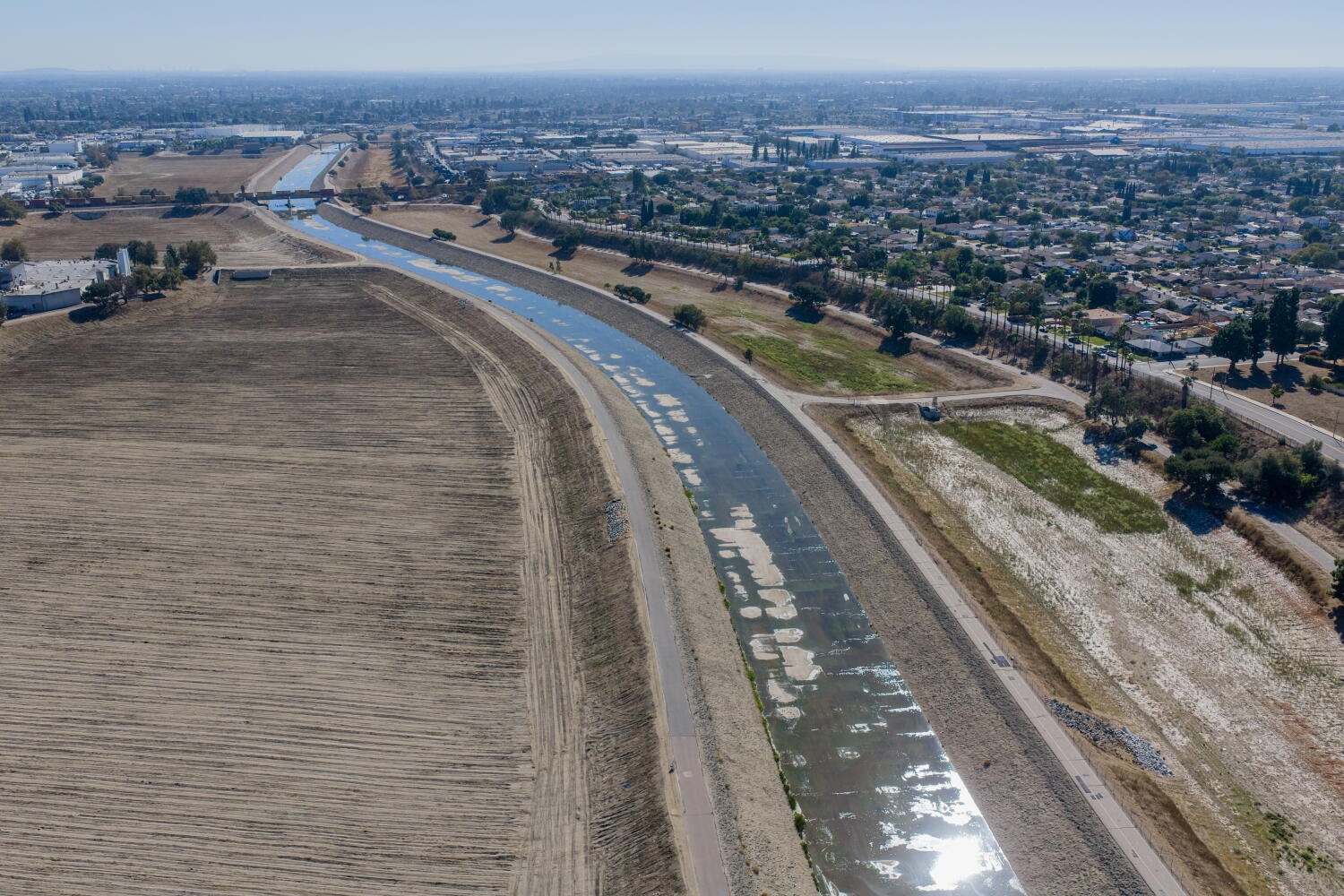
Dawn in the delta does not break with a clean line. It seeps. The mist rises from the sluggish surface of the river, mixing with woodsmoke and the low hum of early risers rolling up their corrugated shopfronts. To stand on the edge of the water is to feel the weight of a landscape that is mostly fluid, where boundaries blur and secrets rarely stay buried for long. But sometimes, the water gives up something that leaves the living entirely speechless.
A drum.
It bobbed against the wooden pilings of the dock, heavy, awkward, and sealed tight against the current. When the ropes were cut and the lid pried open, the river yielded its burden. Inside lay a man who had spent his life measuring small things with extreme care—grams of gold, carats of purity, the delicate, trembling balance of a scale.
He was a jeweller. Now, he was just a body inside a blue plastic cylinder, drifting toward the sea.
In his pocket, wedged between damp cotton and the lint of an ordinary Tuesday, rested a token. Not a coin of the realm, not a stray banknote, but a small, stamped piece of metal from a Hindu credit union. A quiet piece of a larger puzzle. A signature left behind in the dark.
The Measure of a Life
We tend to think of violence as loud. We picture broken glass, shouting matches, the sudden flare of a knife under a streetlamp. But the most terrifying crimes in the margins of bustling market towns are quiet. They happen behind closed shutters after the ledger is locked. They happen in the silent arithmetic of debt and desperation.
Imagine a typical evening in the district. The shutters of the jewelry shop come down with a sharp, echoing rattle. The locks click home. Inside, the air smells of old velvet, metal polish, and the faint, sweet trace of cheap tea cooling in a glass. The owner counts the day's takings—a pair of silver payal, a thin gold chain pawned by a farmer whose monsoon crop failed.
He is not a wealthy man by the standards of the capital. He is a man of margins. Every transaction is a negotiation between survival and ruin.
When someone knocks softly on the back door after hours, he opens it. Why? Because in these alleys, business is personal. A regular customer in a tight spot, a cousin needing a favor, a broker offering a quick turn on scrap gold. Trust is the only currency that matters when the banks are too far away and the interest rates of informal lenders bite like frost.
We do not know the exact words spoken in that dim room before the lights went out. The police reports will come later, dry as dust, listing timestamps, post-mortem findings, and the registration numbers of hired auto-rickshaws. They will talk about blunt force trauma, oxygen deprivation, and logistical convenience. A 200-liter drum is cheap. Acid is easier to find than remorse.
Yet numbers and police blotters strip away the texture of the tragedy. They do not capture the sound of water lapping against the sides of a floating drum in the dead of night. They do not show the wife sitting on a woven string cot hours later, staring at a cup of tea that no one is going to drink.
The Architecture of Credit
To understand why a metal token from a credit union ended up in a dead man's pocket, you have to look beyond the alleyway and into the economic machinery of ordinary lives.
Formal banking in the region is a fortress of paperwork, NIDs, guarantors, and waiting periods that stretch for weeks. If your daughter's wedding is next month, or if your shop's roof caves in during a sudden tropical downpour, waiting weeks is not an option. You turn to community-based finance. You turn to the informal networks, the cooperatives, the credit unions that operate on a handshake and a membership token.
These institutions are the circulatory system of the local economy. They pump liquidity into the hands of carpenters, tailors, and small-scale merchants. But they also create tight, inescapable loops of obligation.
When money gets tight, the lines between personal relationships and financial survival blur until they snap. A loan taken to save a failing storefront becomes a chain around the neck. A dispute over interest, a hidden debt, a ledger entry that doesn't add up—these are the invisible triggers that turn a trusted neighbor into an executioner.
The token in the pocket was a marker. A membership number, perhaps a key to a locker, or a receipt of membership in a localized financial circle. To the investigators, it was a forensic clue. To anyone who knows the neighborhood, it was a flashing neon sign pointing directly to the friction points of modern survival: people living one bad month away from catastrophe, tethered together by loans they cannot afford to service and cannot afford to escape.
The Silence After the Splash
Water remembers nothing, yet it carries everything.
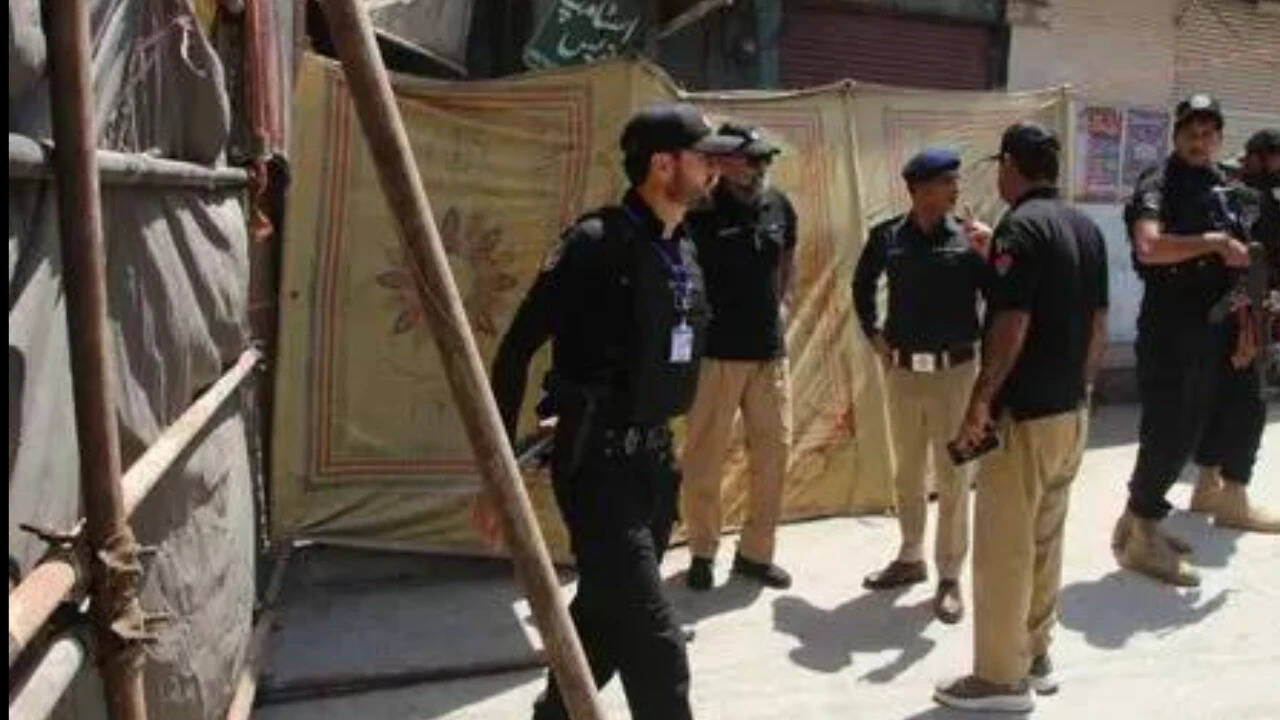
By the time the sun climbed high enough to burn the mist off the river, the news had already outrun the police radios. Crowds gathered on the muddy bank. Necks craned. Whispers rippled through the onlookers like wind through tall grass.
Did you know him?
He was always quiet.
Always paid on time.
Until he didn't.
We look for monsters in stories like this. We want the villain to look distinct, to wear malice on his sleeve like a badge. But the reality is far more unsettling. The people who slide drums into rivers often look just like the people standing on the bank, shading their eyes against the glare, murmuring prayers and wondering whose turn is next.
The shop remains closed today. The gold is gone, scooped from the velvet trays and stuffed into bags. The ledger is in an evidence locker, its pages smelling of ink and river mud.
A man left his house to make a living and ended up as a statistic in a morning dispatch. The river flows south toward the Bay of Bengal, carrying the silt, the plastic waste, and the quiet grief of a delta that swallows its children without breaking its stride.
Listen closely. The water keeps moving. The locks on the neighboring shops are opening. The scales are being wiped clean for the morning trade.