Pakistan's current economic volatility is not a byproduct of market fluctuation but a predictable outcome of a structural mismatch between energy consumption patterns and foreign exchange liquidity. The recent surge in global petroleum prices serves as a catalyst for a systemic failure that has been dormant within the country’s circular debt model. When the cost of imported fuel rises, the state faces a dual-threat: an immediate blowout in the current account deficit and a domestic inflationary spiral that erodes the tax base necessary to service sovereign debt.
The government’s response—marked by price hikes and restricted imports—is often framed as a "tough choice." In reality, these are reactive survival mechanisms dictated by the physics of a balance-of-payments crisis rather than a proactive strategy for energy security.
The Trilemma of Pakistan's Energy Economy
To understand the severity of the current "tension" mentioned in regional reports, one must evaluate the three conflicting forces governing Pakistan’s energy policy:
- Fiscal Solvency: The ability of the state to subsidize fuel or maintain price caps without defaulting on international credit obligations.
- Social Stability: The threshold at which energy costs trigger civil unrest or industrial shutdowns.
- Supply Continuity: The physical availability of fuel products required to keep the power grid and transport sectors operational.
The current crisis emerges because the state can no longer satisfy any two of these pillars simultaneously. To ensure Supply Continuity, the government must pay market rates in USD, which collapses Fiscal Solvency. To protect Fiscal Solvency, they must pass costs to the consumer, which shatters Social Stability.
The Circular Debt Feedback Loop
The "Circular Debt" in Pakistan’s energy sector is the primary bottleneck preventing any meaningful recovery. This is a technical deficit where the cost of generating power exceeds the revenue collected from consumers. This gap is widened by:
- Transmission and Distribution (T&D) Losses: Physical energy lost due to aging infrastructure and "non-technical losses" (theft).
- Collection Inefficiency: The inability of power distribution companies to recover bills from both private and public sectors.
- Capacity Payments: Fixed costs paid to Independent Power Producers (IPPs) regardless of whether the electricity is actually generated or consumed.
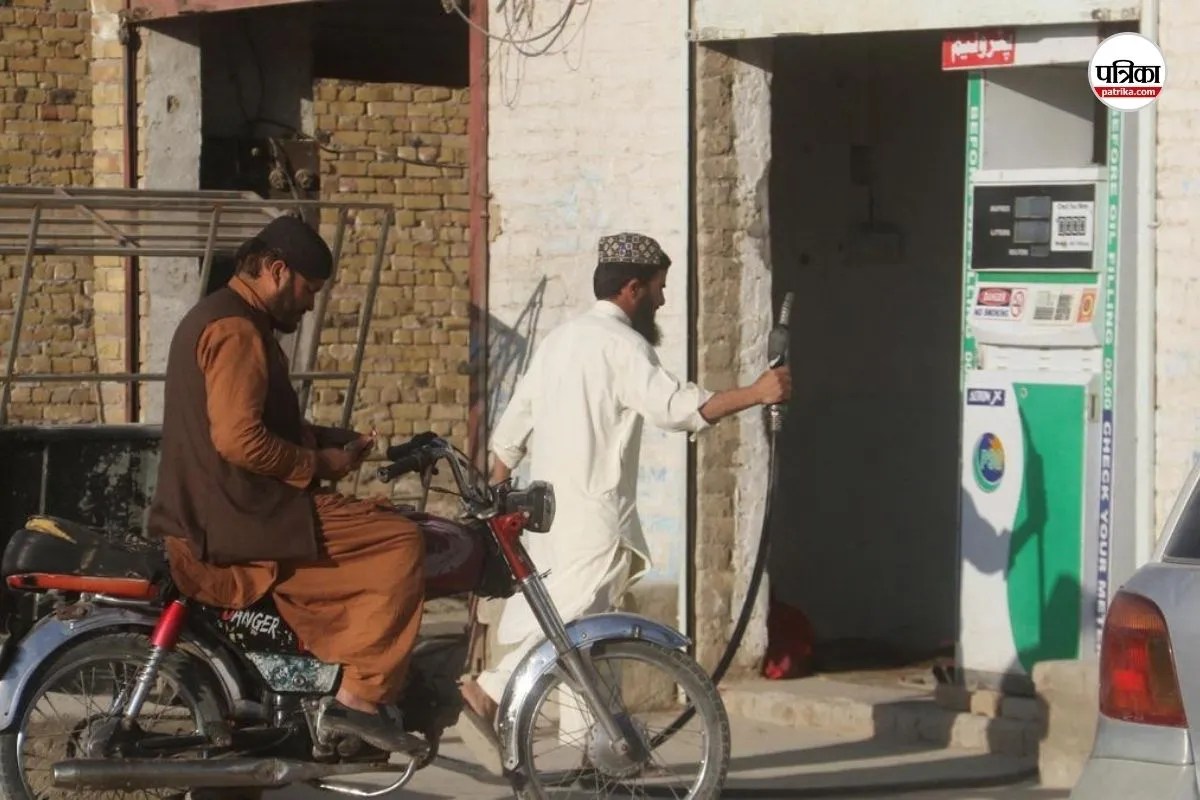
When global oil prices rise, the cost of input for thermal power plants increases. Because the state-controlled tariff system cannot adjust in real-time, the "gap" grows. This forces the government to divert funds from other sectors to pay fuel importers, creating a liquidity crunch that eventually leads to fuel shortages at the pump and "load shedding" in the grid.
The Crude Reality of Import Dependency
Pakistan’s energy mix is heavily skewed toward thermal generation, specifically Furnace Oil (FO), High-Speed Diesel (HSD), and Liquefied Natural Gas (LNG). This dependency creates a direct transmission line between geopolitical shocks in the Middle East or Eastern Europe and the household budget in Karachi or Lahore.
The government’s recent "big steps"—such as exploring Russian crude or attempting to shift toward coal—face significant technical and geopolitical headwinds. Russian Urals, for instance, requires specific refinery configurations. Most Pakistani refineries are optimized for Arab Light or similar grades. Processing heavier or different sulfur-content crudes results in lower yields of high-value products like petrol and higher yields of low-value residual furnace oil, potentially worsening the refinery’s bottom line.
Quantification of the Price Shock Transmission
The impact of high oil prices follows a specific sequence of economic degradation:
The Primary Impact: Currency Devaluation
As the demand for USD to pay for oil shipments outstrips the supply of dollars from exports and remittances, the Pakistani Rupee (PKR) depreciates. This creates a "second-wave" price hike: even if global oil prices remain flat, the cost in PKR rises because the currency is weaker.
The Secondary Impact: Industrial Contraction
Industrial sectors, particularly textiles which account for a significant portion of exports, rely on affordable energy to remain competitive. High energy costs act as a de facto tax on production. This leads to reduced shifts, layoffs, and a decline in the very exports needed to earn the USD required for oil imports.
The Tertiary Impact: Food Inflation
In an economy where logistics are dominated by trucking, the price of diesel is the floor for food prices. Every percentage point increase in HSD correlates with an increase in the cost of transporting agricultural goods from rural hubs to urban centers. This forces the central bank to maintain high interest rates to combat inflation, further stifling domestic investment.
Limitations of Current Government Interventions
The state’s strategy of "curtailment" and "tariff adjustments" is a temporary fix for a permanent problem. Increasing the petroleum development levy or removing subsidies satisfies IMF requirements and prevents immediate sovereign default, but it does nothing to address the underlying inefficiency of the energy infrastructure.
The push for "Solarization" is frequently cited as a solution. However, adding intermittent renewable energy to a grid plagued by high capacity payments creates a new problem. As affluent consumers move off-grid via solar, the "pool" of paying customers for the national grid shrinks. This leaves the burden of the massive fixed capacity payments on the lower-income brackets and the industrial sector, further destabilizing the collection model.
Strategic Realignment Requirements
For the Pakistani state to move beyond reactive crisis management, the following structural shifts are mathematically necessary:
- De-linking Transport from Diesel: A massive, state-led transition of the heavy logistics sector toward rail (which is more energy-efficient per ton-mile) or EV-based short-haul transport is required to break the diesel-food inflation link.
- Renegotiation of Capacity Contracts: The "Take-or-Pay" model with IPPs is unsustainable in a shrinking economy. Moving toward "Take-and-Pay" or extending the debt tenure of these projects is the only way to lower the base tariff.
- Refinery Modernization: Investment in hydrocracking units is essential to ensure that domestic refineries can process a wider variety of crude grades and produce a higher percentage of Euro-V standard fuels.
The crisis in Pakistan is not a "petroleum crisis" in the traditional sense; it is a liquidity crisis triggered by a lack of energy sovereignty. Without a fundamental redesign of the circular debt mechanism and a shift away from the thermal-import model, the state will remain a hostage to the Brent Crude ticker.
The immediate tactical move for the administration must be a radical prioritization of energy for export-oriented industries at the expense of residential comfort. This is politically perilous but economically mandatory. By guaranteeing stable, lower-cost energy to manufacturers, the state can preserve its primary source of USD inflow, which is the only long-term defense against the volatility of the global oil market. Failure to protect the industrial core will result in a total collapse of the tax-to-GDP ratio, making even the most basic fuel imports impossible by the next fiscal cycle.