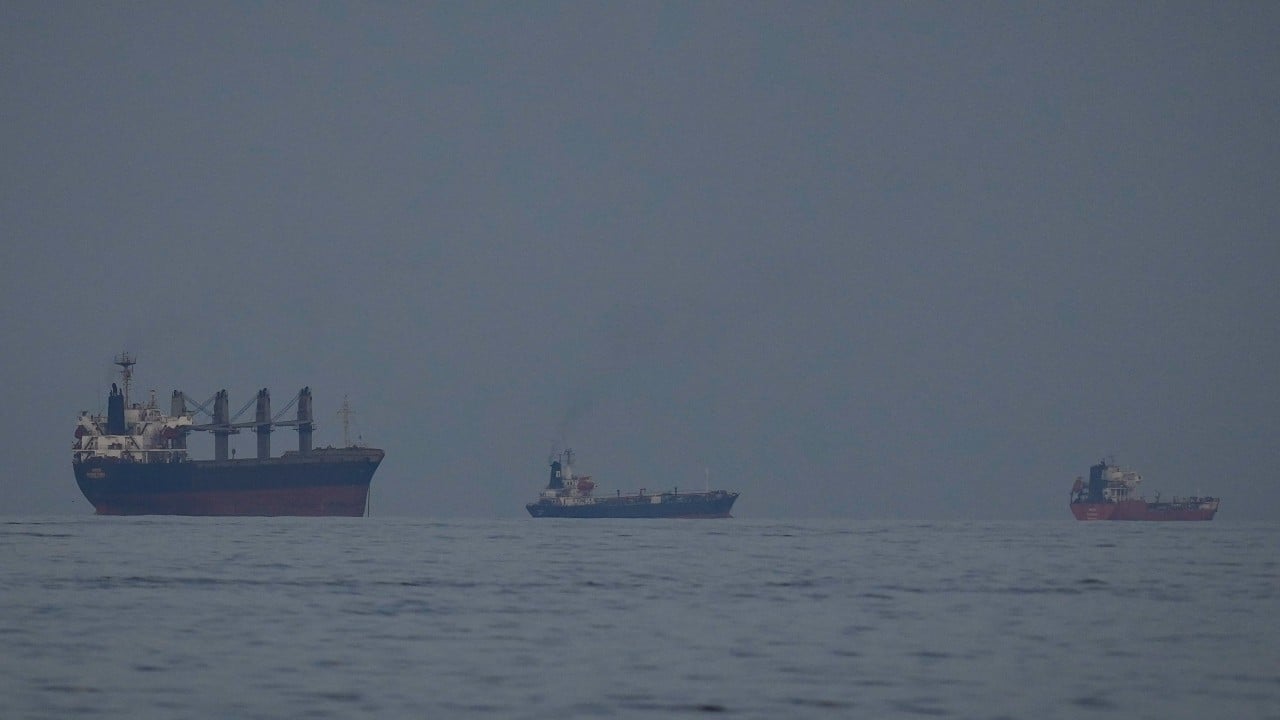
The Philippines is quietly opening a high-stakes diplomatic channel with Iran to secure the Strait of Hormuz, a move born out of desperation as the country’s energy security teeters on the edge. While the public narrative centers on "safe passage" for vessels, the reality is a frantic attempt to prevent a domestic economic meltdown. If the tankers stop moving, the Philippine power grid effectively dies.
The Department of Foreign Affairs and energy officials are currently navigating a geopolitical minefield. They aren't just asking for the safety of Filipino seafarers—who make up roughly 25% of the global maritime workforce—they are pleading for the continued flow of oil that fuels the nation's industrial heart. With the Malampaya gas field depleting and renewable transitions lagging, the Philippines has boxed itself into a corner where a single Iranian seizure in the Middle East translates to rolling blackouts in Manila.
The Hormuz Chokehold and the Philippine Vulnerability
The Strait of Hormuz is the world's most sensitive carotid artery. Roughly 20% of the world’s total oil consumption passes through this narrow stretch of water. For a country like the Philippines, which imports nearly 90% of its fuel requirements, any friction in these waters isn't a distant foreign policy issue; it is a kitchen-table crisis.
Energy costs in the Philippines are already among the highest in Southeast Asia. The economy is hypersensitive to price shocks. When Iran threatens to shut the Strait or begins seizing tankers in retaliation for Western sanctions, the risk premium on shipping insurance skyrockets. These costs are immediately passed down to the Philippine consumer. The government’s move to talk directly with Tehran is an admission that traditional Western security umbrellas are no longer enough to guarantee the arrival of a single barrel of crude.
The Seafarer Factor as Diplomatic Leverage
Manila is using its greatest export—human capital—as a bargaining chip. Thousands of Filipino mariners are currently on vessels transiting the Persian Gulf. By framing the negotiations around the "protection of overseas workers," the Philippine government creates a humanitarian veneer for what is essentially an energy procurement mission.
It is a clever, if transparent, strategy. If the Philippines can convince Iran to view Filipino-crewed ships as "neutral" or "protected," they secure a competitive advantage for their supply chain. However, this puts Manila in a precarious position with its longest-standing ally, the United States. To court Iran is to risk the ire of Washington’s sanctions regime, a trade-off the Marcos administration seems increasingly willing to consider as the alternative is darkness.
Why Malampaya’s Decay Forced This Hand
For years, the Malampaya deepwater gas-to-power project was the shield that protected the Philippines from total reliance on Middle Eastern volatility. It provided 30% of Luzon’s power. That shield is cracking.
Output is declining. Despite efforts to drill new wells and extend the life of the field, the transition to Imported Liquefied Natural Gas (LNG) is the new, expensive reality. LNG requires specialized terminals and long-term contracts, many of which are tied back to the same volatile shipping routes. The government’s pivot toward Iran isn't a sign of new-found friendship; it’s a sign that the domestic energy strategy has failed to provide a buffer against external shocks.
- Import Dependency: The shift from domestic gas to imported LNG increases exposure to global spot prices.
- Infrastructure Lags: While terminals are being built, the country lacks the strategic petroleum reserves necessary to weather a 30-day blockade.
- Currency Pressure: A weakening Peso makes every barrel coming through Hormuz more expensive, compounding the inflation crisis.
The Hidden Risks of Direct Engagement with Tehran
Engaging with Iran is not a simple bilateral trade talk. It involves navigating the "Shadow War" between Israel and Iran, as well as the dense web of U.S. Treasury sanctions. If a Philippine entity is found to be facilitating oil trades that bypass international restrictions, the entire Philippine banking system could face "gray-listing" or worse.
There is also the matter of consistency. Manila has been vocal about international law and maritime rights in the West Philippine Sea. By seeking special "safe passage" deals in the Middle East, critics argue the government is engaging in the same kind of transactional maritime policy it condemns elsewhere. It creates a narrative of convenience rather than principle.
The Role of Regional Middlemen
The Philippines isn't walking this path alone. They are likely observing how neighbors like Malaysia and Indonesia maintain functional relationships with Tehran while staying within the global financial fold. There are whispers of "triangular trade" arrangements where oil or petroleum products change hands in third-party waters to obscure their origin.
This isn't about shadow-ops for the sake of it. It’s about survival. The Philippine manufacturing sector, already struggling against lower-cost bases in Vietnam and Thailand, cannot survive another 15% spike in electricity rates. The "talks" are an attempt to de-risk the supply chain by going straight to the source of the potential disruption.
The Failure of the Renewable Safety Net
We are told that wind and solar will save us. In the long run, they might. But you cannot run a massive steel mill or a 24-hour call center on the promise of a future turbine. The gap between the "Green Energy Option" and the current industrial demand is a chasm that only fossil fuels can bridge right now.
The push toward Iran highlights the hypocrisy of the global energy transition. Wealthier nations can afford to moralize about carbon footprints and sanction "rogue states" because they have the reserves or the capital to pivot. Developing nations like the Philippines don't have that luxury. They are forced to negotiate with whoever holds the tap.
Breaking the Dependency Loop
To truly secure the nation, the Philippines must move beyond begging for safe passage. This requires three brutal shifts in policy:
- Strategic Reserves: The immediate construction of government-owned and operated oil stockpiles that can sustain the country for at least 60 days.
- Nuclear Acceleration: Moving past the "study" phase of small modular reactors (SMRs) to provide a baseload that doesn't depend on a tanker's arrival.
- Regional Grid Integration: Finally connecting the ASEAN power grid to allow for energy sharing during localized crises.
The current mission to Tehran is a band-aid on a gunshot wound. It might keep the lights on for the next quarter, but it does nothing to fix the structural rot of a nation that cannot power itself.
Geopolitics is a Zero-Sum Game
Every concession made to Iran is a data point tracked in Washington, Beijing, and Riyadh. The Philippines is playing a dangerous game of "Middle Power" diplomacy without the military or economic muscle to back it up. If they succeed, they get a reprieve from inflation. If they fail, they end up alienated from their traditional allies and still stuck with an empty tank.
The move signals a shift toward a more transactional, "Philippines First" foreign policy. It is a recognition that in a world of fracturing alliances, nobody is coming to save you from a high electric bill. You either talk to the man with the hand on the valve, or you sit in the dark.
The government must ensure these talks don't result in a "favored nation" status that carries hidden costs, such as intelligence sharing or supporting Iranian positions in international forums. Energy security is vital, but it shouldn't be bought with the country's long-term sovereign credibility. Manila needs to get in, get the guarantees, and get out, all while moving at breakneck speed to ensure they never have to make this phone call again.