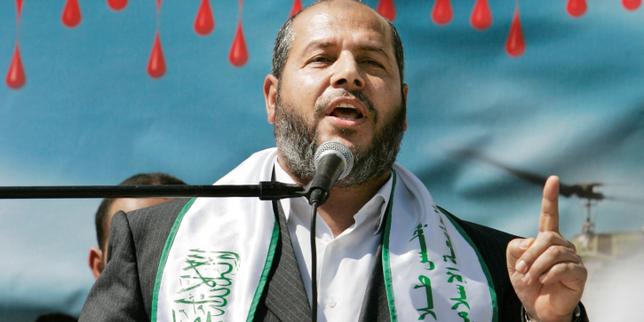
Hamas officially announced that Khalil Al-Hayya will serve as the head of its political bureau. He takes over the top post left vacant since Yahya Sinwar was killed during combat in Gaza.
This election wasn't a sudden surprise, but it marks a decisive moment for the Palestinian group. Following months of collective management under a five-member transition council, the internal voting process finished with a run-off between Al-Hayya and former political chief Khaled Meshaal. By picking Al-Hayya, the organization didn't just pick a new face. It sent a direct message about where its geopolitical loyalties lie and how it plans to navigate ceasefire talks going forward.
Who Is Khalil Al Hayya
Khalil Al-Hayya isn't a newcomer to Palestinian politics or Hamas's internal command structure. Born in Gaza City in 1960, he earned a doctorate in Islamic theology before serving as a representative in the Palestinian Legislative Council starting in 2006.
Over the years, Al-Hayya climbed through the political ranks, becoming the deputy chief of the Gaza politburo under Sinwar in 2017. He survived multiple Israeli airstrikes that killed several members of his immediate family, including his sons, in 2007, 2014, and recent conflicts.
Despite these strikes, Al-Hayya maintained a dual footprint. While rooted in Gaza's political establishment, he relocated to Doha, Qatar, in recent years. That move positioned him as Hamas's primary diplomat and chief negotiator during round after round of indirect ceasefire and hostage negotiations with Israel.
Key Details at a Glance
- Born: November 5, 1960, Gaza City
- Previous Positions: Deputy Chairman of Gaza Political Bureau, Chief Diplomatic Negotiator
- Base of Operations: Doha, Qatar
- Key Rival in Election: Khaled Meshaal
The Internal Election Victory Over Khaled Meshaal
The run-off between Al-Hayya and Khaled Meshaal highlighted long-standing internal debates over the movement's direction. Meshaal, who led the political bureau for over two decades until 2017, represents a faction that historically sought distance from Tehran and closer alignment with Sunni Arab nations, including Turkey and the Gulf states.
Al-Hayya represents a different strategic pillar. He maintains tight, functional ties with Iran's leadership, securing crucial financial and military backing. His victory in the election confirms that the group's leadership remains committed to preserving its alliance with Tehran rather than shifting toward a regional realignment.
For those watching the region closely, this choice shows continuity with the military and strategic vision that Sinwar championed, while keeping an experienced diplomat at the head of the political table.
What This Means for Ceasefire Negotiations and Regional Dynamics
Al-Hayya’s appointment directly impacts how future negotiations will unfold. Having led the negotiating delegation in Cairo and Doha throughout the ongoing war, he is intimately familiar with every draft, compromise, and red line on the table.
- Direct Negotiation Continuity: Because Al-Hayya was already running the diplomatic machinery, the group avoids a steep learning curve or internal friction in negotiations.
- Firm Stance on Core Demands: Al-Hayya has consistently echoed the demand for a total Israeli withdrawal from Gaza and a permanent end to hostilities as preconditions for long-term agreements.
- Consolidation of Political and Diplomatic Power: Holding both the chief negotiator role and the political bureau presidency centralizes decision-making within his Doha office.
If you're tracking Middle Eastern geopolitical shifts, keep a close watch on regional diplomatic reactions in the coming days. The immediate indicator of how this leadership change affects the ground reality will be whether mediator discussions in Qatar and Egypt gain new momentum or stall over familiar sticking points. Follow official statements from mediating diplomats and monitor security updates directly from regional news outlets to see how negotiators adjust to Al-Hayya's formal leadership status.