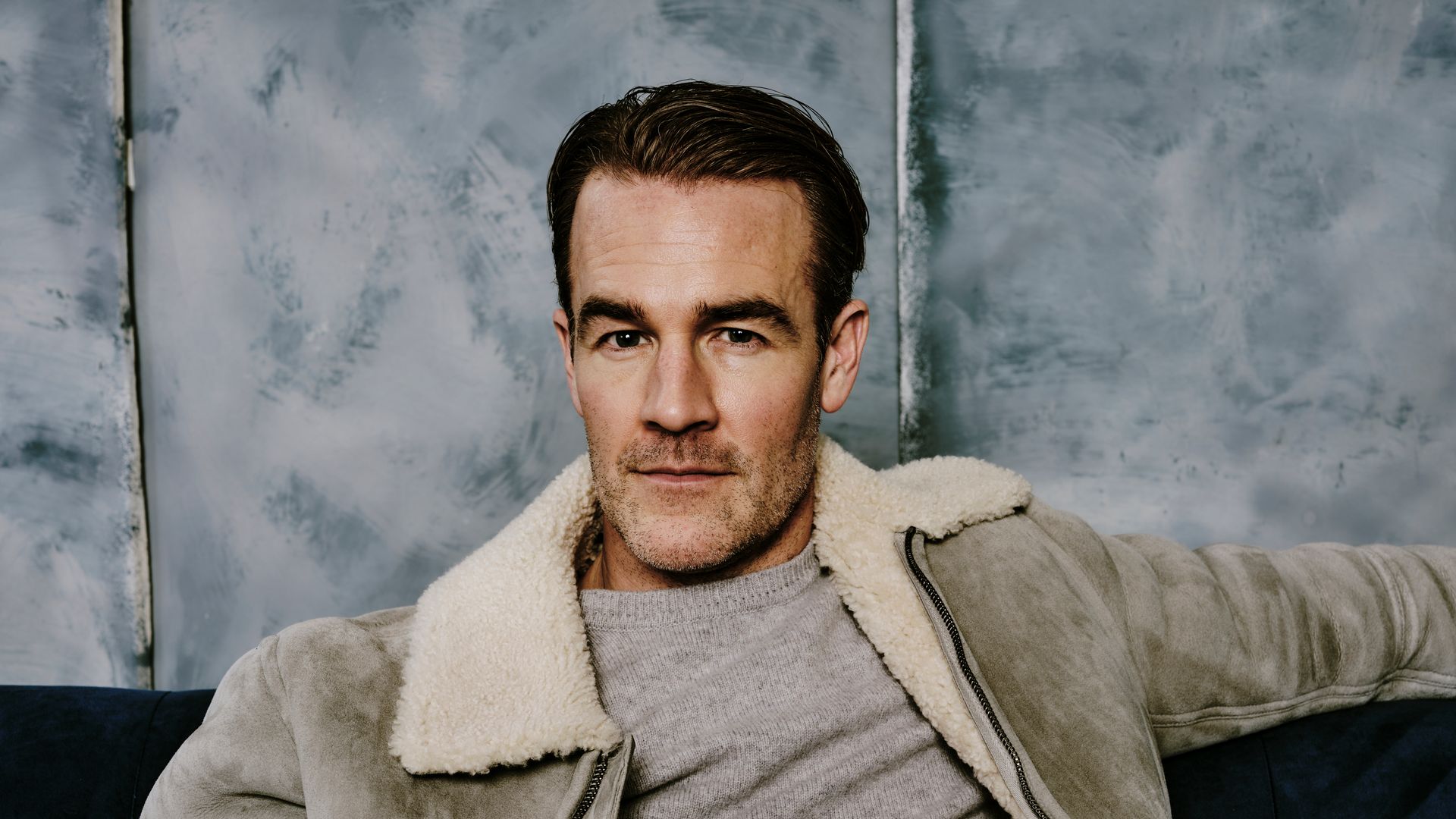
James Van Der Beek didn't just play a teenager on a pier. He redefined how a generation of men looked at their own feelings. For anyone who grew up in the late nineties, Dawson’s Creek was the blueprint for hyper-articulate, slightly annoying, but deeply felt adolescent angst. Then came the "Ugly Cry." You know the one. Season 3, Episode 23. Dawson Leery finds out Joey Potter is choosing Pacey Witter, and his face collapses into a distorted, shuddering mess of grief.
That single shot from "True Love" lived two lives. First, it was a dramatic climax in a WB teen soap. Years later, it became one of the most recognizable memes in internet history. But if you think that meme is just a joke at Van Der Beek's expense, you’re missing the point entirely. That face represents the moment TV stopped requiring leading men to look pretty while they suffered.
The end of the handsome Hollywood sob
Before Dawson Leery, male crying on screen was usually a "single tear" affair. It was stoic. It was calculated. Think of the classic Hollywood protagonist—maybe a slight quivering of the chin, a glistening eye, but always maintaining a jawline that could cut glass. It was crying designed to keep the actor's Q-Rating high.
Van Der Beek threw that script in the trash. When he filmed that scene on a footbridge in Wilmington, North Carolina, he wasn't thinking about his brand. He was thinking about a kid whose heart just got ripped out of his chest by his best friend and his soulmate. He let his face go. He let his nose run. It was raw, unflattering, and completely authentic.
Millennials caught a lot of flak for being "sensitive." We were the generation of participation trophies and over-sharing. But really, we were the first generation to see a lead actor embrace the "ugly cry" without shame. Van Der Beek taught us that if you're actually hurting, you don't need to look like a Calvin Klein ad.
Why the meme actually helped the legacy
Most actors would hate being remembered for a distorted freeze-frame. Van Der Beek leaned into it. He famously spoofed himself on Funny or Die, proving he was in on the joke. That self-awareness is why the character of Dawson Leery survived the transition from the 4:3 tube TV era to the TikTok era.
The meme stripped away the melodrama of the show and left us with something relatable. It became a shorthand for any time life feels overwhelmingly unfair. By laughing at the meme, we actually cemented the importance of the performance. We stopped seeing Dawson as a fictional character and started seeing him as a mirror for our own most embarrassing, vulnerable moments.
Breaking the toxic masculinity mold on the WB
Dawson's Creek creator Kevin Williamson wrote dialogue that no actual seventeen-year-old would ever say. These kids used words like "ethereal" and "monolithic" while discussing their hormones. It was easy to mock. However, beneath the SAT-prep vocabulary was a revolutionary approach to male friendship and emotional literacy.
Dawson and Pacey weren't just fighting over a girl. They were navigating a world where their fathers were often absent, drunk, or emotionally stunted. Dawson’s willingness to be "the sensitive guy" wasn't a weakness; it was his primary personality trait.
- He prioritized emotional honesty over physical toughness.
- He openly discussed his insecurities regarding his talent and his appearance.
- He allowed himself to be the loser in the central love triangle without turning into a villain.
This shifted the goalposts for what a "TV heartthrob" could be. You didn't have to be the silent, brooding type like Luke Perry on 90210. You could be the guy who overthinks everything and cries when things go south. For a lot of teenage boys watching in 1998, that was a permission slip.
The James Van Der Beek effect on modern acting
Look at the landscape of prestige TV today. When Jeremy Strong cries in Succession or when the cast of The Bear breaks down in a kitchen, they aren't worried about looking "cool." We’ve entered an era of "visceral realism" in acting that owes a massive debt to the risks Van Der Beek took on a teen soap.
He paved the way for the "Beta Male" lead who is allowed to have a full range of human emotions. Without Dawson, do we get Seth Cohen? Do we get the vulnerable version of Peter Parker we see in the MCU? Probably not. Van Der Beek broke the seal on male vulnerability in a way that made it commercially viable for networks to fund stories about sensitive men.
Dealing with the "Nice Guy" stigma
Critics often look back at Dawson and label him the "ultimate nice guy"—and not in a good way. He could be possessive. He could be judgmental. He often acted like he was the director of everyone else's life.
But that’s exactly why the performance works. Van Der Beek played Dawson with a specific kind of earnestness that made his flaws feel real. When he cries on that bridge, he isn't just crying because he lost Joey. He’s crying because his "script" for how life was supposed to go—the Spielberg ending he’d planned since childhood—was falling apart. It’s a moment of ego death.
How to embrace your own inner Dawson
If there’s a lesson to take from Van Der Beek’s career and that specific, viral moment, it’s about the power of total commitment. Whether you're an artist, a student, or just someone trying to navigate a messy breakup, there's value in letting the mask slip.
Stop trying to curate your "sadness" for social media. If you're going to feel something, feel it with your whole face. The internet might turn you into a meme, but at least you’ll be real. James Van Der Beek didn't just teach millennials how to cry; he taught us that our most unpolished, unattractive moments of honesty are often the ones that resonate the longest.
Go back and watch that Season 3 finale. Ignore the memes for a second and just watch the scene. It’s a masterclass in vulnerability. Then, the next time you feel a breakdown coming on, don't reach for the tissues to dab away a single, cinematic tear. Let it out. Make the face. Own the "ugly."
Start by revisiting the early seasons of the show on streaming. Look past the flannel shirts and the oversized khakis. Focus on the way those characters actually talk to each other about their fears. You'll find a level of emotional transparency that is still surprisingly rare in modern media. Use that as a prompt to be a bit more direct with the people in your own life. Tell someone how you feel before you reach the bridge. If you wait until the bridge, you're going to end up crying, and honestly, that's okay too.