When an earthquake strikes Venezuela, the ground stops shaking after a few minutes, but the internal catastrophe for survivors lasts for years. In a country already hollowed out by a decade of economic ruin, a natural disaster does not just destroy brick and mortar. It completely obliterates the fragile mental coping mechanisms of a population living on the absolute edge of survival. Humanitarian organizations like Médecins Sans Frontières now find themselves treating a secondary epidemic that cannot be stitched up or bandaged. This is the quiet, devastating spread of severe psychological trauma among people who have lost their homes, their livelihoods, and any hope of a stable future.
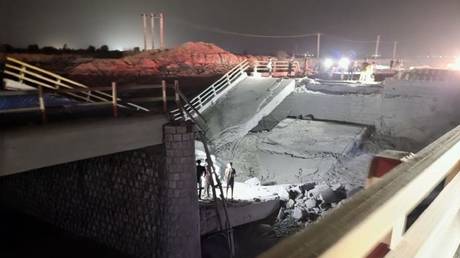
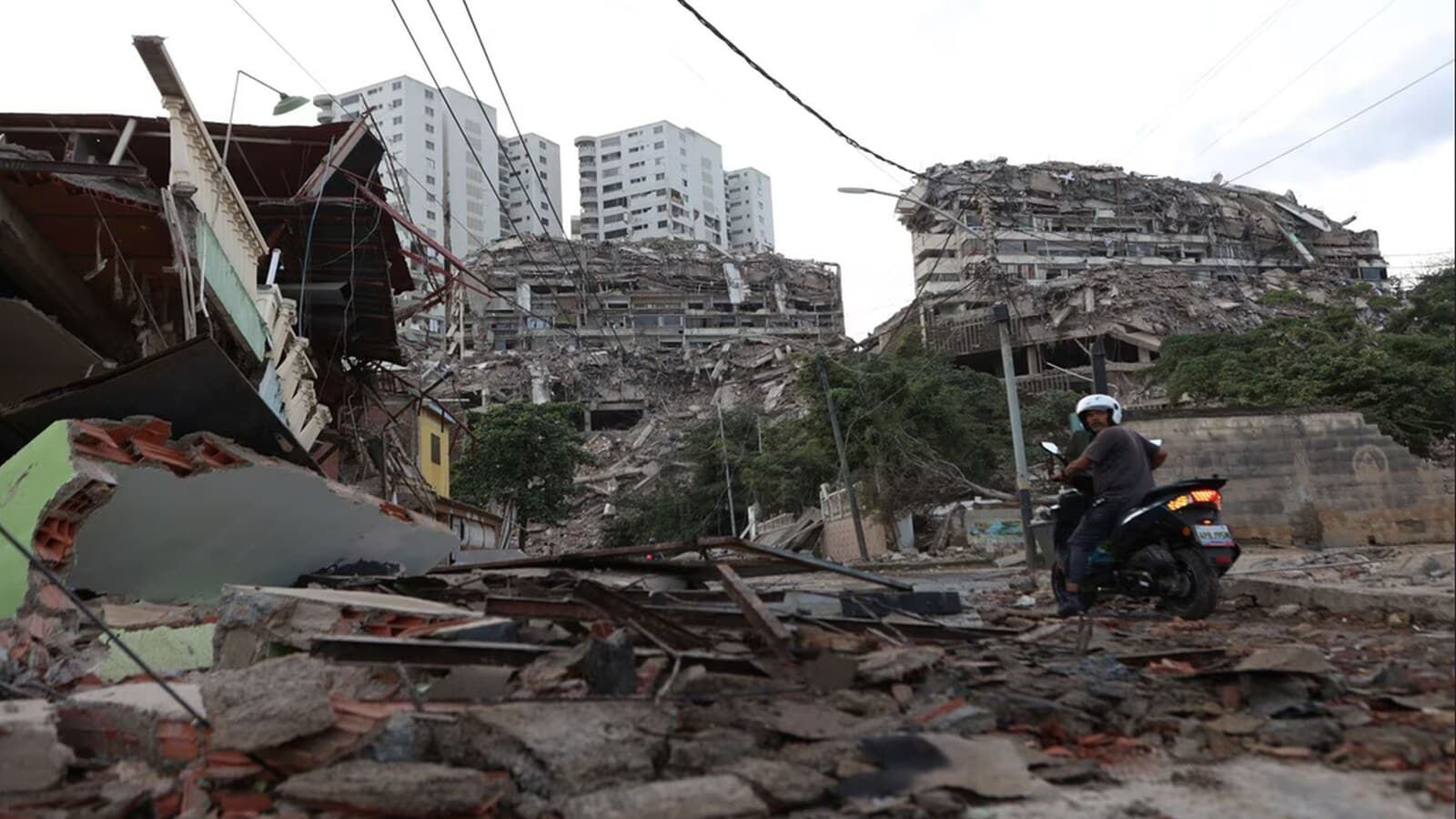
The immediate physical aftermath of a disaster is easy to document. Cameras capture the crumbled concrete, the split roads, and the emergency tents. What remains unseen is the compound trauma of those left behind.
To understand the mental health crisis currently unfolding in Venezuela’s disaster-hit regions, one must look beyond the simple shock of a sudden earthquake.
The Mechanics of Compound Disaster
In stable nations, a natural disaster is followed by an influx of state aid, insurance payouts, and systematic reconstruction. In Venezuela, none of these safety nets exist. When a family loses their home in a seismic event, they do not just lose a building. They lose their sole economic anchor in an environment where hyperinflation and currency collapse make rebuilding an mathematical impossibility.
For a citizen earning a minimum wage equivalent to just a few dollars a month, a single bag of cement is an unattainable luxury.
This reality transforms acute stress into a chronic, toxic state of hypervigilance. Survivors are trapped in a loop of survival anxiety. They must constantly worry about where they will sleep, how they will feed their children, and whether the cracked ceiling above them will survive the next minor tremor.
The human brain is not wired to sustain this level of pressure indefinitely.
Epidemiological observations from field workers indicate that the psychological presentations in these zones go far beyond simple grief. Clinicians are seeing profound clinical depression, severe panic disorders, and complex post-traumatic stress disorder that manifests as physical pain, gastrointestinal distress, and debilitating insomnia. The trauma of the earthquake is layered directly on top of the pre-existing, long-term trauma of chronic scarcity.
A Healthcare System Hollowed Out from Within
The mental health toll is exacerbated by the total decay of Venezuela’s public healthcare infrastructure.
Decades ago, the country possessed a functional network of psychiatric clinics and regional hospitals capable of offering basic therapeutic support. Today, those wards are largely empty shells. They lack running water, reliable electricity, and, most critically, qualified personnel.
The massive exodus of millions of Venezuelans over the past decade includes a disproportionate number of medical professionals. Psychiatrists, clinical psychologists, and specialized nurses have fled the country in search of livable wages.
Those who remain in the public sector are stretched so thin that their roles are practically symbolic.
A patient seeking help for severe psychological distress at a public hospital is highly unlikely to find a therapist. Even if they do manage to secure an appointment, the pharmaceutical supply chain is non-existent. Basic psychotropic medications, from simple antidepressants to anti-anxiety treatments and mood stabilizers, are either entirely unavailable in public pharmacies or sold at exorbitant black-market prices that no ordinary family can afford.
This leaves non-governmental organizations to fill a chasm that is far too wide for their resources.
While teams from groups like MSF establish mobile clinics and provide psychological first aid, these interventions are designed for acute crises. They are not built to replace a permanent, national mental healthcare system. A counselor can offer coping strategies during a brief field visit, but they cannot prescribe a stable economic environment or rebuild a collapsed roof.
The Economic Paralysis of Grief
The destruction of livelihoods in these disaster zones creates a feedback loop that cements the trauma.
In many rural or semi-urban areas affected by seismic activity, the local economy relies heavily on small-scale commerce, agriculture, or informal trade. When a quake hits, it destroys the physical spaces where these transactions occur.
A family that ran a small grocery shop out of their front room suddenly loses both their shelter and their daily income in a single afternoon.
Without capital, credit, or government loans, there is no path to recovery.
This economic paralysis breeds a deep, systemic sense of hopelessness. In traditional disaster response models, getting survivors back to work is recognized as a vital therapeutic tool. It restores agency, structures the day, and provides a sense of forward momentum.
In Venezuela, the opposite occurs.
Survivors are forced into a state of forced dependency, relying on sporadic food distributions or the charity of neighbors who are themselves struggling. The loss of agency is a massive risk factor for long-term psychological disability. It strips individuals of their identity as providers, leaving them highly vulnerable to severe depressive episodes and chronic apathy.
The Illusion of Recovery
There is a dangerous tendency among international observers to assume that because communities are quiet, they are recovering.
Human beings are remarkably adaptive, and on the surface, life in affected Venezuelan towns appears to resume. People clear the rubble by hand, construct temporary shelters out of corrugated iron and plastic sheeting, and find ways to barter for food.
But this resilience is a mask born of absolute necessity, not healing.
Underneath the surface of daily survival lies a population that is psychologically fractured. Children in these areas show acute signs of developmental regression, including bedwetting, severe separation anxiety, and mutism. Adults report a total inability to plan for the future, living entirely in a twenty-four-hour survival cycle.
The international community routinely underestimates this mental health toll because it is difficult to quantify.
A collapsed bridge or a death toll can be put into a spreadsheet. The slow, grinding destruction of a mother's mental stability as she watches her children sleep under a tarp cannot.
If the mental health crisis in Venezuela is left unaddressed, the long-term societal consequences will be felt for generations. A traumatized, hypervigilant population cannot effectively participate in economic reconstruction, even if the broader political and economic conditions were to improve.
Addressing this crisis requires a fundamental shift in how humanitarian aid is structured. Emergency response cannot stop at delivering clean water and temporary tents. Mental health services must be integrated directly into the primary medical response from day one, treated not as a secondary luxury, but as an essential element of physical survival.
Until then, the survivors of Venezuela's earthquakes will remain trapped in a quiet, ongoing disaster of the mind, long after the physical rubble has been cleared away.