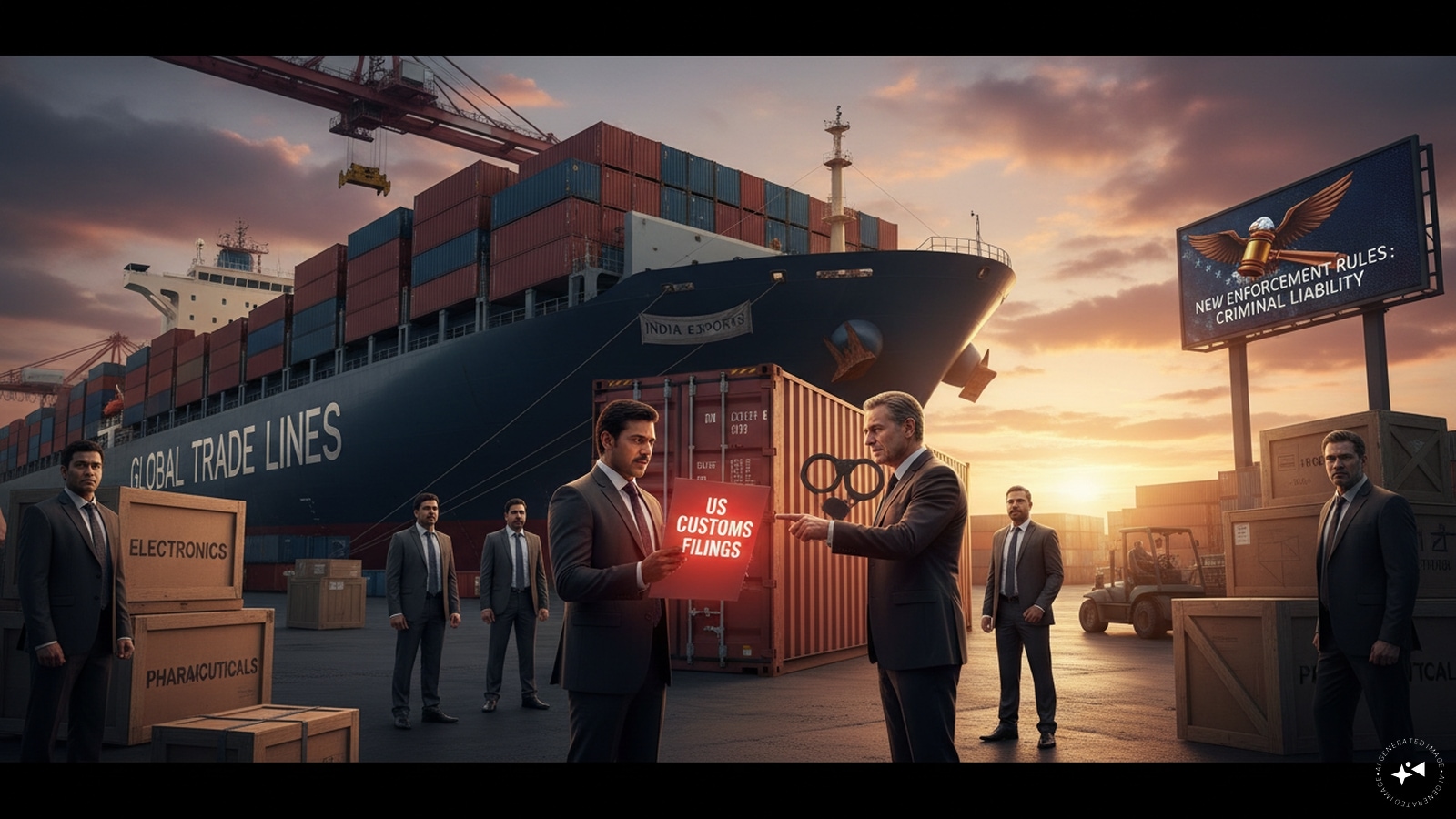
The United States is pressing Beijing to sever its financial lifelines to Iran, demanding that China join an unprecedented campaign of maximum economic isolation. As the military conflict in the Middle East grinds past its critical six-month threshold, Washington has pivoted away from heavy kinetic strikes toward a strategy of financial strangulation. Treasury Secretary Scott Bessent has made the White House position explicit. Nations maintaining economic ties with Tehran face total exclusion. Yet Beijing absorbs the vast majority of exported Iranian crude, rendering Chinese compliance the single variable determining whether this financial operation succeeds or shatters against geopolitical reality.
The Anatomy of Financial Pressure
Sanctions work through the architecture of global banking, relying heavily on the dominance of the United States dollar. When Washington targets a foreign state, the primary weapon is rarely a direct trade embargo. It is the threat of secondary penalties that lock any international bank out of the clearing system.
The White House is threatening secondary penalties against any entity providing financial oxygen to Tehran. This includes smaller exchange houses, underground cash transfer networks, maritime registries, and independent refineries.
By choking these channels, Washington aims to deprive the Iranian state of the foreign currency required to maintain internal security and import basic goods. Yet this playbook ignores a fundamental historical obstacle. Iran has spent nearly half a century perfecting the art of sanctions evasion.
Decades of isolation have forced Tehran to construct alternative financial channels, shell corporations, and clandestine ship-to-ship transfer networks. Piling new restrictions onto an economy already buried beneath layers of historic penalties yields diminishing returns. The extra layer of friction increases transaction costs, but it rarely forces total political capitulation.
Why Beijing Holds All the Cards
China remains the primary obstacle to the American strategy. Beijing purchases more than eighty percent of Iran's shipped oil. This continuous flow of discounted energy provides Tehran with its primary fiscal lifeline while offering Chinese independent refineries a lucrative pricing advantage.
When Treasury officials urge Beijing to get on board with the program, they are asking the world's second-largest economy to abandon a reliable, heavily discounted energy source during a period of global market volatility. The official response from the Chinese embassy in Washington has been dismissive. Beijing maintains that sanctions and coercion cannot resolve complex geopolitical disputes, pointing instead toward diplomatic engagement.
The upcoming diplomatic summit between Chinese President Xi Jinping and the White House sets the stage for a high-stakes confrontation. Washington wants compliance. Beijing wants stability and uninterrupted energy imports. If the White House follows through on threats to penalize major Chinese financial institutions that clear Iranian transactions, the dispute risks metastasizing into a wider trade war.
Such an escalation carries severe risks for American domestic markets. China supplies vital manufactured goods and critical mineral components essential to domestic supply chains. A financial confrontation targeting Chinese banks could easily trigger swift countermeasures from Beijing, turning an operation meant to isolate Iran into a global economic fracture.
The Oil Market Disconnect
Treasury leadership has repeatedly insisted that global crude markets are misinterpreting the shift toward economic warfare. Officials argue that maximizing financial pressure removes the necessity for large-scale military operations, which should theoretically stabilize energy prices over the long term.
Energy traders view the situation differently. Markets pushed crude prices higher following the announcement of the expanded blockade and sanctions package. The closure of key transit lanes like the Strait of Hormuz has already disrupted substantial global supply.
While emergency stock releases from international reserves have cushioned the immediate blow, global inventories remain under strain. When Washington demands that Beijing cut off Iranian imports entirely, traders recognize that the global market cannot easily absorb the sudden evaporation of hundreds of thousands of barrels of daily supply without catastrophic price spikes.
If China were to suddenly comply with American demands and halt all Iranian purchases, Beijing would immediately turn to alternative suppliers in the Persian Gulf, intensifying competition for remaining global crude and driving energy costs upward for consumers worldwide.
The Domestic Imperative Driving Washington
Political timing dictates the urgency behind this aggressive economic pivot. Domestic pressure is mounting as the administration navigates the long-term costs of foreign entanglements ahead of crucial midterm elections. Sustaining high-intensity military operations abroad creates political liabilities that register quickly at home.
Financial warfare offers an alternative optics strategy. It projects strength and decisive action without requiring large deployments of ground forces or generating daily casualties. By framing the conflict as an economic campaign designed to trigger regime collapse, the administration attempts to shift public focus away from persistent inflation, national debt concerns, and regional instability.
Iranian officials have seized upon this domestic vulnerability, publicly characterizing the new sanctions package as a transparent political diversion designed to deflect attention away from American economic strains. Tehran calculates that its adversary's political patience has a finite lifespan.
The strategy hinges on an unproven premise. Washington assumes that coordinated financial isolation can achieve what years of intermittent conflict and baseline sanctions could not. Yet as Treasury officials prepare to unveil the comprehensive mechanics of the operation, the structural reality remains unchanged. Beijing has little incentive to police American adversaries at its own economic expense, and Tehran has built an entire institutional apparatus designed to outlive external financial pressure.
The impending diplomatic calendar will test whether financial coercion can bend a superpower like China or whether the attempt will simply expose the hard limits of American leverage in a fragmented global economy.