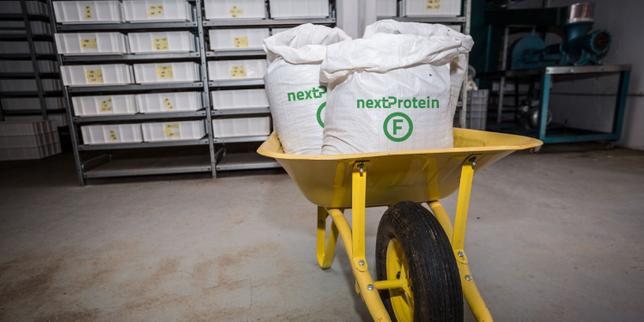
In Tunisia, industrial insect farming collided with street-level anger and administrative shockwaves in October 2026. What started as community protests in Menzel Bouzelfa over a proposed black soldier fly facility escalated within weeks into a revoked operating permit at a nearby plant in Grombalia and a devastating fire at the new site before production ever began.
Protesters in Menzel Bouzelfa mobilized against placing an insect breeding and processing operation inside a residential area near a local health facility. Days later, on October 16, 2026, authorities issued an order revoking the operating authorization for the Grombalia facility. Then, on the evening of October 21, 2026, a fatal traffic accident occurred outside the Menzel Bouzelfa perimeter, followed the same night by an intrusion and major fire that destroyed the unfinished site. If you liked this post, you might want to read: this related article.
Why Flies Sparked Fury in Cap Bon
On paper, breeding black soldier fly larvae looks like an industrial win for a resource-tight region. The larvae consume organic agricultural waste and convert it into protein meal, oil, and fertilizer. In theory, that lowers pressure on imported fishmeal and soy while turning leftovers into usable inputs.
In practice, people do not experience technology as a slide deck. They experience it through smells, trucks, water tables, and proximity to homes and clinics. For another perspective on this development, see the recent coverage from Associated Press.
Residents in Menzel Bouzelfa objected to an industrial insect facility sitting in a residential zone a short distance from the local hospital. Once trust breaks down over siting and transparency, every rumor gains weight. Even where independent data has not proven widespread contamination from the site, fear spreads faster than technical assurances.
When an industrial site lands next to homes and a hospital without clear local buy-in, technical promises sound like spin.
Over twenty years of covering industrial disputes across emerging markets, I have seen the same pattern repeat. Companies arrive with environmental metrics and investor backing. Local residents look at the fence line and ask who bears the nuisance if anything goes wrong.
A Clash of Permits, Jurisdiction, and Industrial Risk
The standoff in Nabeul governorate exposed friction far deeper than neighborhood complaints. Local reporting pointed to overlapping administrative lines between ministries and agencies overseeing environment, agriculture, and industrial activity. When jurisdictions blur, accountability gets foggy.
Here is how the dispute unfolded across administrative, operational, and public fronts during October 2026:
| Dimension | What Happened | Key Consequence |
|---|---|---|
| Grombalia Facility | Operating authorization revoked via an October 16, 2026 order from the Nabeul governorate, suspending operations. | Immediate halt to active production at the existing site, with legal appeals pursued by the company. |
| Menzel Bouzelfa Site | Protests over residential and near-hospital siting preceded an October 21 intrusion and major fire during setup. | Destruction of the new facility before commercial output started, triggering criminal and insurance investigations. |
| Public & Civic Scrutiny | Residents and civil society groups questioned siting compatibility, odor/health risks, and environmental oversight. | Heightened political pressure and demands for verifiable monitoring of air, water, and waste. |
This is not just a Tunisian story. Across the global insect protein sector, operators have struggled with the gap between biological conversion in controlled trials and reliable, conflict-free manufacturing at scale.
Raising insects requires steady heat, humidity, ventilation, and organic feedstock management. Any slip in odor control, effluent handling, or pest containment turns a green circular model into a public relations liability.
The Economics Behind the Insect Protein Push
Investors did not back insect farming out of charity. Global feed markets face tight supply constraints and price swings in traditional ingredients like fishmeal and soybean meal.
Insect meal is positioned as a high-protein ingredient for aquaculture, livestock, and pet food. Defatted meal provides protein, oil provides energy, and frass or insect residue is sold as soil amendment.
Consider a hypothetical example of a mid-sized regional feed mill evaluating an alternative protein blend. Suppose the mill compares a conventional fishmeal-and-soy formulation against a partial insect-meal blend. If insect meal costs more per ton of crude protein than soy or fluctuates when feedstock supply tightens, procurement teams hesitate to lock in long-term volume.
Feedstock Reality vs. Circular Theory
Circularity sounds effortless until you price logistics. Agricultural by-products vary by season, moisture level, and transport cost.
If a plant relies on seasonal crop residues or food processing waste, hauling wet material across rural roads adds expense and spoilage risk. Every ton of wet waste carries water weight that yields far less dry protein at the end of the line.
That economic reality forces operators to scale up and sit close to feedstock sources. Yet moving closer to agricultural hubs and towns can put heavy processing operations uncomfortably close to communities.
What Gets Overlooked When Tensions Turn Violent
When a project faces protests, permit revocation, and arson, commentary often splits into two camps. One side treats residents as obstacles to modern industry. The other treats every new plant as toxic by default.
Both shortcuts miss the real failure. Real accountability requires separating proven harm from unproven claims while fixing weak governance.
Community worry is not automatic proof of pollution. At the same time, holding a prior permit does not guarantee ongoing environmental performance or public acceptance.
Three Blind Spots in Industrial Rollouts
- Late community engagement: Briefing neighbors after land is bought or equipment arrives breeds suspicion rather than consent.
- Opaque monitoring data: Publishing glossy sustainability claims without accessible air, water, and waste measurements leaves residents relying on rumors.
- Unclear regulatory enforcement: When residents cannot tell which agency inspects a facility or enforces limits, grievances spill into the streets.
Violence and property destruction settle nothing. They also endanger bystanders, stall investment, and leave workers and neighbors in limbo.
A Hard Look at What Comes Next for Insect Farming
For insect farming to survive as a serious industrial link rather than a cautionary headline, standards have to grow up alongside capacity. Siting rules must keep odor- and waste-handling facilities well clear of homes and hospitals.
Permitting needs clear authority and public technical files so communities can see exact emission, wastewater, and containment rules. Companies that publish independent environmental audits and establish local grievance channels earn far more credibility than those relying on crisis statements after a clash.
A circular economy cannot run on closed doors and crossed fingers; it has to earn the right to operate outside the factory gates every single day.


