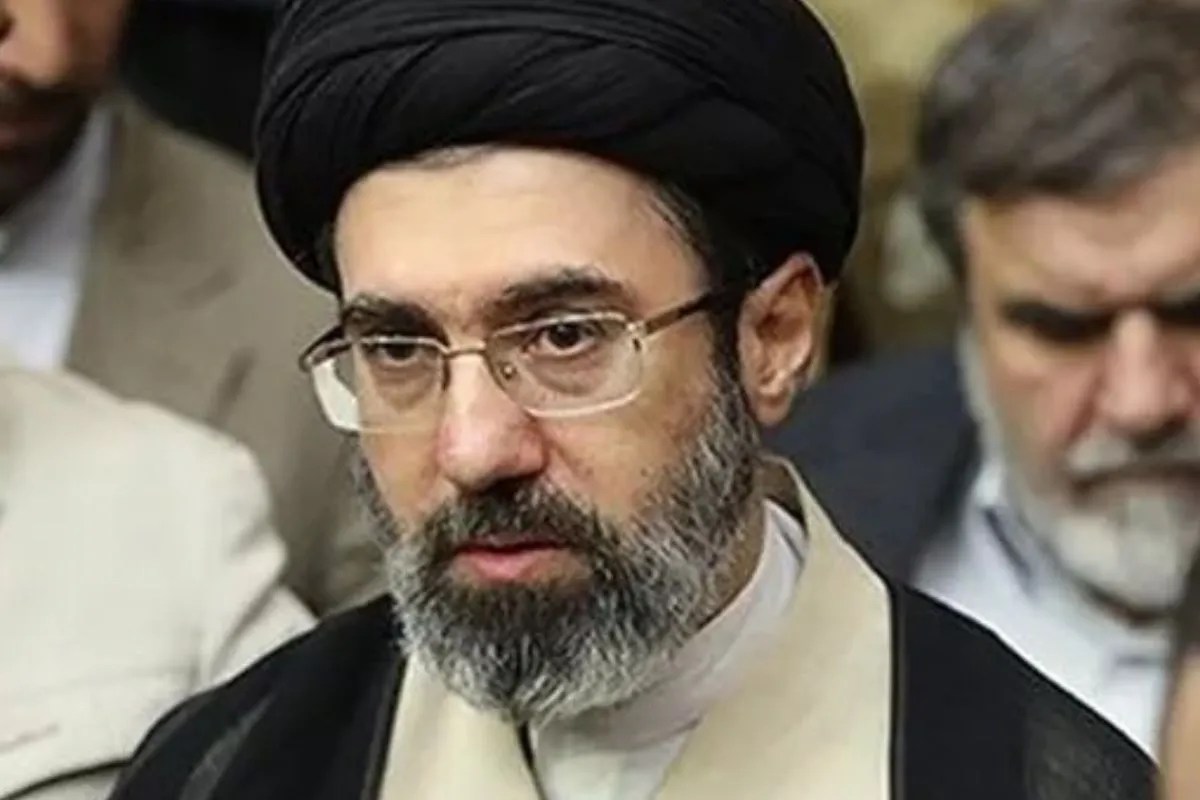
Power in Tehran rarely flows through the channels drawn on organizational charts. For decades, foreign observers mapped Iranian governance by tracking the friction between elected presidents and appointed clerics. That framework is obsolete. Recent internal restructuring points to a stark reality. The Islamic Revolutionary Guard Corps is absorbing direct operational authority, bypassing civilian administration entirely under Mojtaba Khamenei's growing influence.
When the Supreme Leader's inner circle consolidates command structures around military hardliners, the presidency is reduced to a bureaucratic shell. The shift is not merely administrative. It represents a fundamental militarization of state survival strategies.
The Anatomy of Institutional Bypass
The Iranian presidency was never designed to hold supreme authority over national security. Constitutional architecture placed the armed forces, judiciary, and broadcasting monopolies directly under the Supreme Leader. Yet, pragmatic presidents like Hassan Rouhani or even reformist predecessors attempted to carve out economic domains and diplomatic leverage through cabinet ministries.
Those channels are closing.
Security apparatuses under the IRGC have systematically absorbed major revenue streams, infrastructure projects, and foreign policy execution channels. When critical decisions regarding regional posture or domestic security emerge, files do not land on the desk of the executive branch. They travel directly to military command nodes.
This bypass serves a calculated objective. Elected officials carry the burden of public discontent over inflation, currency devaluation, and economic isolation. Meanwhile, the military-security complex retains absolute control over strategic assets and resource allocation. By stripping the presidency of substantive decision-making power, the regime insulates its core military apparatus from democratic feedback loops, however constrained those loops might be.
Financial Independence and the Parallel State
Military dominance rests on economic self-sufficiency. The IRGC operates as a vast industrial conglomerate. Construction monopolies, telecommunications networks, energy infrastructure, and extensive smuggling networks provide billions in off-budget liquidity.
Civilian budgets drafted by the executive branch matter very little when the primary actors control their own revenue generation. Traditional state ministries struggle to pay public sector salaries while military budgets remain insulated.
This financial autonomy changes the mechanics of governance. If a president attempts to negotiate foreign trade agreements or monetary stabilization policies, military stakeholders with vested interests in sanctions-evasion networks can veto or undermine those initiatives quietly. The command shift formalizes what was previously informal obstruction. The generals do not need to lobby the cabinet anymore. They issue directives.
Succession Dynamics and the Shadow Office
Speculation regarding Mojtaba Khamenei's role in the clerical establishment often focuses on theology and political succession. That misses the more immediate mechanical reality. Influence within the Iranian system flows from proximity to security forces, not clerical rank alone.
Decades of cultivating relationships within the Basij militia and senior IRGC command echelons positioned Mojtaba as a vital bridge between the clerical office and the barracks. As health concerns and institutional fatigue weigh on the supreme office, the administrative burden shifts heavily toward this shadow network.
The strategy is defensive. Facing acute economic pressures, internal dissent, and external security threats, the clerical elite has chosen institutional hardening over reform. Opening political space or empowering a moderate presidency carries risks the regime is unwilling to take. Total securitization is viewed as the only guarantee of regime survival.
External analysts often misinterpret policy shifts in Tehran as factional squabbles between reformists and conservatives. Those categories expired long ago. The real division is between a civilian government tasked with managing societal collapse and a military command structure prioritizing operational readiness and regional deterrence at any cost.
As command authority solidifies within military headquarters, the presidency transforms into a ceremonial office designed to absorb public anger while real power remains locked behind barracks walls.


