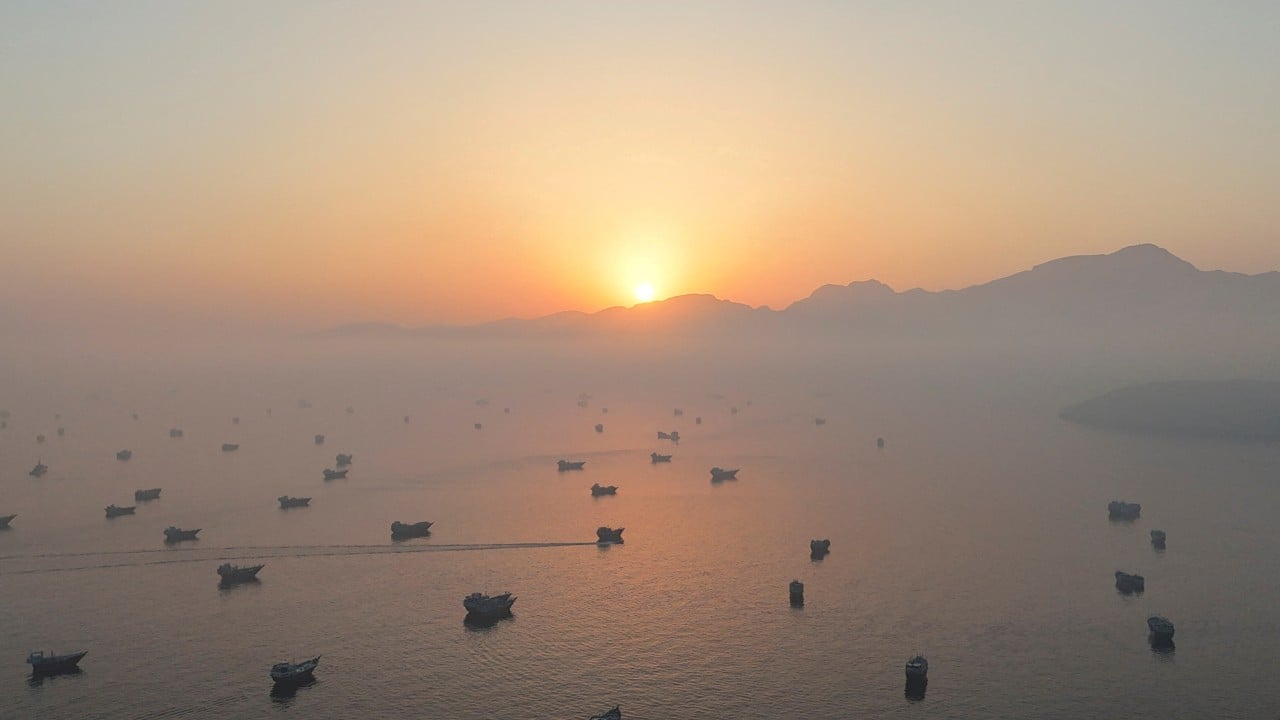
When a commercial vessel drops anchor in the shadow of regional conflict, the official corporate line is predictable. Crew members are safe. Counseling has been offered. Operations are under constant review. But behind the sanitized press releases sent out from corporate high-rises in Wan Chai, a very different reality unfolds on the water. Hong Kong ship crews stranded in the Strait of Hormuz find themselves caught in a geopolitical choke point where psychological strain, maritime law, and corporate liability collide.
For months, regional flashpoints have turned vital maritime corridors into high-risk zones. The Strait of Hormuz handles a massive share of global petroleum transit, making it a primary pressure point for international trade. When regional hostilities escalate, commercial shipping does not simply halt. Ships linger in holding areas, drifting just outside territorial waters, waiting for clearance that may take weeks. The physical danger of missile strikes or drone interceptions is obvious. Less visible, but equally damaging, is the psychological erosion of seafarers trapped on floating targets with dwindling supplies and uncertain futures.
Maritime operations rely heavily on predictable rotations. Crew contracts typically run for six to nine months, structured around strict port calls and scheduled relief. When a vessel gets stranded due to security fears or blockades, those contracts disintegrate. Relief crews cannot board safely, and exhausted sailors cannot disembark. This administrative paralysis creates an environment of perpetual anxiety. Offering telephone counseling services from a head office thousands of miles away does little to alleviate the acute pressure of hearing naval patrols crackle over the bridge VHF radio.
The Legal Quagmire of Abandonment and Force Majeure
Maritime labor conventions outline strict protocols for crew welfare, yet gray areas persist when geopolitical conflict disrupts normal operations. Shipowners often invoke force majeure clauses to protect themselves from financial liability when external crises paralyze their fleets. These legal shields allow companies to suspend normal contractual obligations regarding voyage timelines and port rotations.
Unfortunately, force majeure is rarely accompanied by a clear expiration date.
Crew members and their representative unions frequently find themselves at an impasse with management. While the shipowners emphasize that the vessels are outside immediate combat zones, the psychological reality for the sailors on deck involves scanning the horizon for anomalies every hour of their shift. Insurance premiums for transiting high-risk areas skyrocket, shifting corporate priorities toward minimizing vessel seizure risks rather than expediting crew repatriation.
The financial architecture of global shipping makes it remarkably easy to deprioritize human capital. Flag states, registration registries, and management companies often form a multi-layered corporate maze. If a ship is flagged in one jurisdiction, owned through a shell company in another, and operated by a crew sourced from a third nation, accountability diffuses rapidly. When crisis strikes in the Persian Gulf, sailors discover that the international bodies designed to protect them move at bureaucratic speeds while their provisions dwindle.
Mental Health on the Water Beyond the Corporate Checklist
Human endurance has structural limits. Confining dozens of crew members to a restricted steel hull for months while regional tensions boil creates an atmosphere thick with tension. Sleep deprivation sets in. Sleep schedules break down as bridge teams maintain heightened watches. The promise of virtual counseling sessions fails to address the foundational stressor: the absolute lack of control over one's physical safety and timeline.
Industry analysts often point to modern satellite communication systems as a panacea for isolated seafarers. Access to high-speed internet allows sailors to speak with families back home in Hong Kong or mainland China. Yet, in active crisis zones, connectivity can cut both ways. Constant access to news feeds detailing military escalations, missile interceptions, and maritime attacks only amplifies fear. Watching analysts debate whether the Strait of Hormuz will become a total war zone while your cabin vibrates from the hum of idling engines is a uniquely modern psychological torture.
Shipping executives must realize that corporate duty of care extends far beyond a wellness brochure PDF sent to an onboard email server. True welfare requires aggressive repatriation efforts, financial hazard bonuses that reflect actual risk rather than baseline minimums, and transparent communication from shoreside management. When companies treat crew safety as a public relations exercise rather than an operational priority, they invite systemic labor collapse.
The Economic Ripples of Frozen Supply Chains
The standoff in the Strait of Hormuz is not an isolated humanitarian issue. It represents a systemic vulnerability in global logistics. When Hong Kong-managed vessels and their international counterparts are forced to idle in open water, the friction ripples across global commodity markets.
Energy traders watch every anchored tanker like a hawk. Every day a crew remains stranded in the Gulf is another day that vital energy supplies face distribution bottlenecks. Insurance underwriters adjust their calculations upward, injecting invisible costs into every barrel of oil and every container of manufactured goods moving through Asian ports.
Governments in shipping hubs like Hong Kong face difficult diplomatic balancing acts. They must protect the commercial interests of local shipowners while advocating for the safety of citizens working abroad. Too much intervention risks alienating international shipping conglomerates. Too little action exposes local labor forces to unacceptable levels of exploitation and danger.
The crisis in the Strait of Hormuz will eventually subside, or it will escalate into something far worse. Until then, the sailors waiting out the storm on stagnant decks will continue to bear the human cost of global trade friction. They do not need corporate talking points about safety protocols. They need a clear path home.