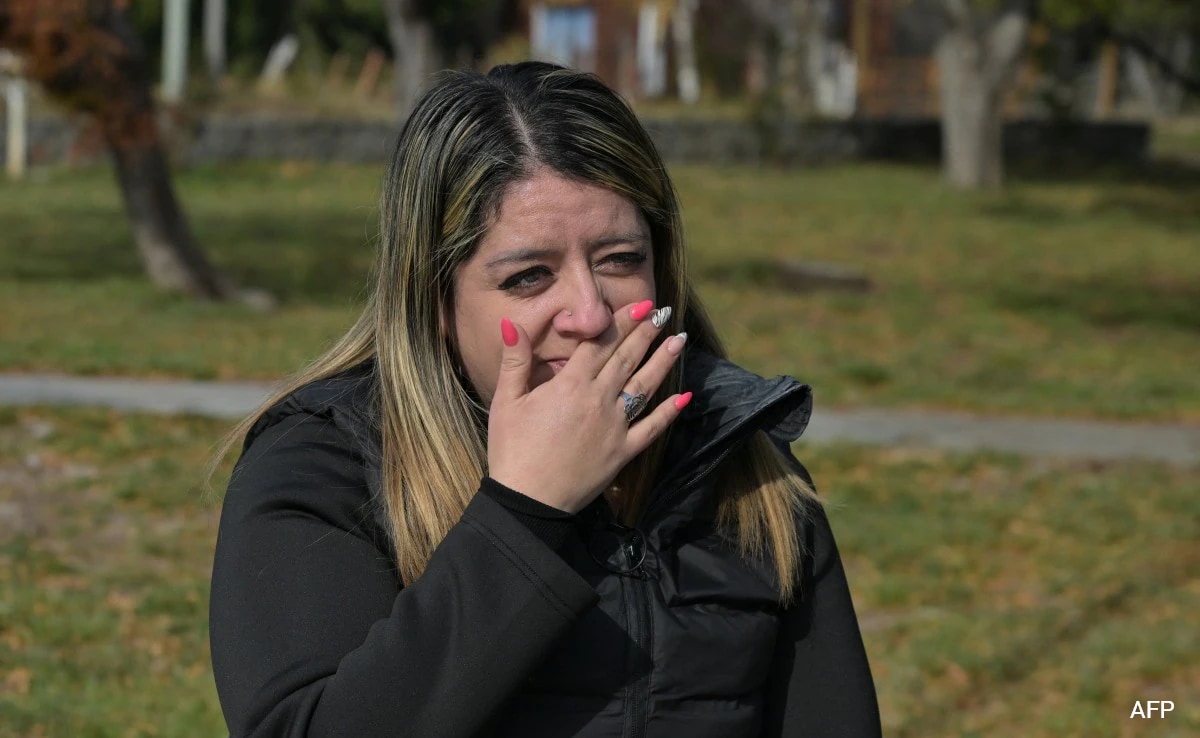
A standard tattoo session is supposed to end with a piece of art and a bottle of aftercare lotion. For Stephanie Roberts of Phoenix, Arizona, it ended with two emergency surgeries, a week in the hospital, and a life-threatening battle against sepsis. She had hired a tattoo artist she found on social media for a $1,200 Virgin Mary design. Instead of a sacred tribute, she received a rapid descent into cellulitis and compartment syndrome, a critical condition where swollen muscle tissue cuts off its own blood supply. During her emergency admission, she also discovered she was pregnant, compounding an already harrowing medical emergency.
The incident highlights a quiet but rapidly expanding public health crisis. The unregulated market of "scratchers"—unlicensed tattooists operating out of makeshift home studios, promoted by algorithms—is clashing with a legacy regulatory framework that was never built to police the internet.
The Illusion of the Instagram Portfolio
Social media has democratized the tattoo industry, but it has also stripped away the traditional gatekeeping that protected consumers. Historically, an aspiring tattooist had to secure a physical apprenticeship. They cleaned tubes, scrubbed floors, and learned the strict mechanics of cross-contamination prevention long before they ever touched a machine to skin.
Now, anyone with an internet connection can buy a cheap rotary tattoo pen online and launch a polished social media page.
The digital presentation is easily manipulated. A consumer looking at a profile sees curated, high-contrast photos, often heavily filtered or edited to make colors pop and lines look razor-sharp. What they do not see is the environment behind the camera. They do not see whether the artist uses an autoclave, whether they understand the difference between sanitizing and sterilizing, or if they are reusing single-use needles.
In Roberts' case, the initial red flags of a makeshift studio and a lack of professional setup were visible. Yet, the social media presence provided enough perceived legitimacy to override those survival instincts. It is a psychological trap. The modern consumer trusts a high follower count and a slick grid over the institutional authority of a licensed brick-and-mortar storefront.
When a Tattoo Turns into a Surgical Emergency
To understand why Roberts nearly lost her hand, or her life, you have to understand the physical reality of the tattooing process.
A tattoo machine punctures the skin between 50 and 3,000 times per minute. Each puncture is a micro-injection of ink into the dermis, the second layer of skin. This process requires the body to immediately begin a localized inflammatory response.
If the equipment, the environment, or the ink is contaminated, pathogens bypass the skin's primary protective barrier instantly. In Roberts' case, the introduction of bacteria led to rapid-onset cellulitis, a deep bacterial skin infection.
The Path to Compartment Syndrome
From there, the infection triggered sepsis, the body's extreme, life-threatening response to an infection. Sepsis causes systemic inflammation, which can lead to organ failure and death.
But the localized pressure in Roberts' arm created a secondary, terrifying complication known as compartment syndrome.
- The Fascia Barrier: Muscles are grouped into tight compartments bound by tough, inflexible sheets of tissue called fascia.
- The Pressure Build-up: As the infection raged, Roberts' muscle tissue swelled rapidly. Because the fascia cannot expand, the pressure inside her arm skyrocketed.
- The Blood Blockade: This internal pressure quickly exceeded her blood pressure, compressing the blood vessels and nerves.
- The Tissue Death: With the blood supply cut off, the muscle tissue began to starve of oxygen.
Without immediate surgical intervention to slice open the fascia and relieve the pressure—a procedure known as a fasciotomy—compartment syndrome leads to permanent muscle damage, amputation, or death. Roberts required two surgeries to halt the destruction.
The Regulatory Void in the Modern Era
This is not just a story of individual misfortune. It is a structural failure of public health oversight.
The regulation of tattooing in the United States is a patchwork of state and local laws. Some states require rigorous licensing, standardized bloodborne pathogen training, and regular shop inspections. Others have almost no oversight at all.
Arizona law, for instance, focuses primarily on the prohibition of tattooing minors without parental consent and basic municipal business licensing. There is no comprehensive, proactive state-level system designed to hunt down and shut down unlicensed operators working out of apartments or backrooms.
┌───────────────────────────────────────────────────────────┐
│              THE UNREGULATED TATTOO PIPELINE              │
├───────────────────────────────────────────────────────────┤
│                                                           │
│  [Cheap Online Equipment] ───> [Slick Social Media Page] │
│                                             │             │
│                                             v             │
│  [Sepsis / Severe Trauma] <─── [Unsanitary Home Studio]   │
│                                                           │
└───────────────────────────────────────────────────────────┘
Local health departments are chronically underfunded and reactive. They operate on a complaint-based system. By the time an inspector learns about an illegal home setup, the "artist" has already blocked the injured client, deleted their social media handle, and set up a new profile under a different alias.
The legal recourse for victims is equally broken. When Roberts sought a refund for the $1,200 tattoo, she was met with silence, and the artist's attorney declined to comment. Pursuing a civil lawsuit against an unlicensed home operator is often a dead end. Standard home insurance policies explicitly exclude commercial activities like professional tattooing, meaning there is no insurance pool to draw from. The victim is left with tens of thousands of dollars in medical bills and a lifelong recovery process, while the operator simply moves their operations to another location.
How to Verify a Safe Tattoo Session
For consumers, relying on a social media profile to vet an artist is a high-stakes gamble. Protecting yourself requires looking past the online aesthetic and demanding transparency before any ink touches your skin.
Look for the Red Flags
If an artist suggests working out of a residence, a hotel room, or a private "creative space" that isn't a licensed commercial shop, walk away. A professional tattoo environment must mimic a minor surgical suite. It requires non-porous surfaces, commercial-grade disinfectants, and distinct separation between the tattooing area and common spaces.
Ask to See the Autoclave and Single-Use Indicators
Any professional artist should be proud to show you their sterilization protocol. Needles must come in sterile, individually sealed blister packs with color-changing sterilization indicators on the back. If the package is already open, or if they cannot show you the autoclave test logs for any reusable tubes, do not let them touch you.
Demand to See the License and Inspections
A reputable shop will have its current health department inspection and individual practitioner licenses framed and displayed publicly on the wall. If these documents are hidden, expired, or missing entirely, the establishment is operating outside the law.
The recovery process for Roberts will take months of medical monitoring, high-dose antibiotics, and physical therapy, all while navigating a high-risk pregnancy brought on during her hospitalization. Her experience is a warning. The digital aesthetic of the modern tattoo industry is a mask, and beneath it lies an old, dirty, and dangerous reality for those who do not know how to look past the screen.