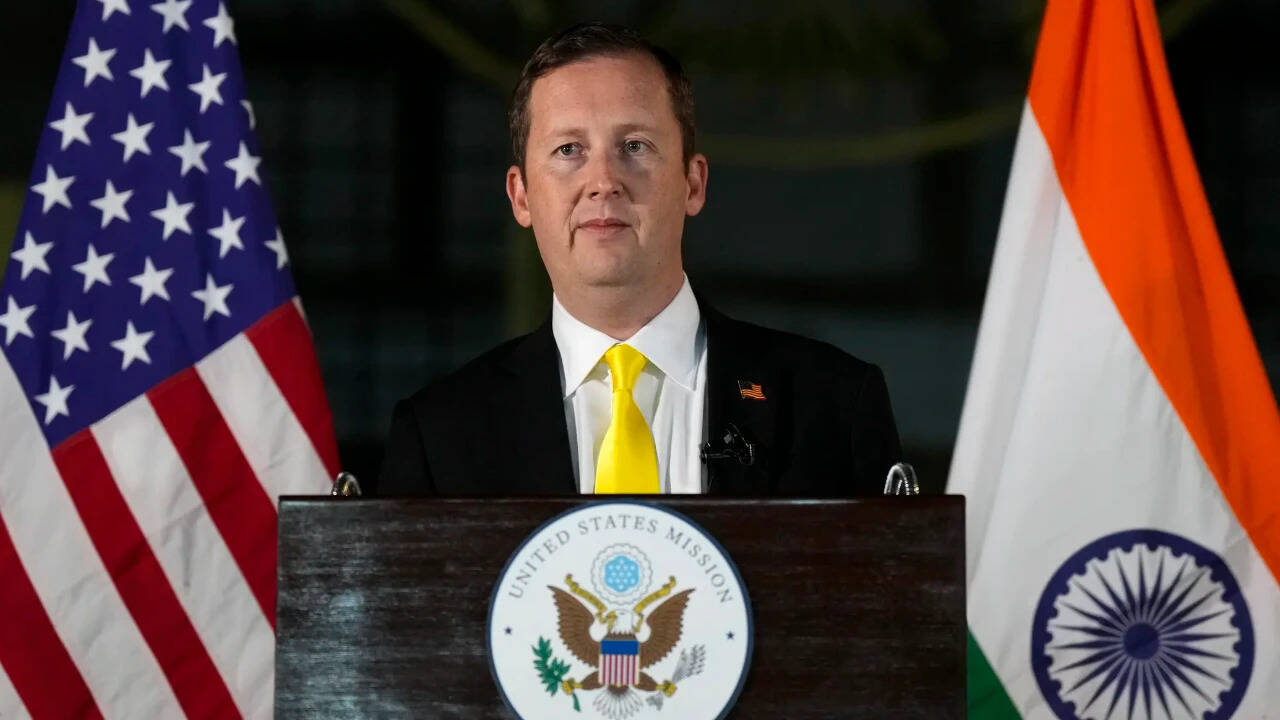
When Culture Secretary Lisa Nandy signals that she is minded to intervene in a proposed Sky ITV deal, the headline sounds like routine Westminster bureaucracy. It is not. Intervention in a Sky ITV deal strikes at the fragile economics of British television, where legacy broadcasters fight for survival against global streaming giants while regulators guard plurality, news independence, and market competition.
After three decades covering media mergers across London, Brussels, and Washington, I have watched plenty of ministers reach for statutory powers that looked decisive on a press release and messy in practice. A minded to intervene notice does not kill a transaction on its own. It opens a high-stakes window of scrutiny where political instincts, competition law, and commercial desperation collide.
Why a Minded to Intervene Notice Changes the Math
Regulators and ministers rarely move without sensing pressure from multiple directions at once. In British media policy, intervention usually hinges on media plurality, standards and impartiality, national security, or competition concerns that fall outside or alongside standard antitrust reviews.
That distinction matters enormously to dealmakers. A purely financial merger can often be modeled in spreadsheets with predictable remedies like divestitures or behavioral undertakings. When a minister signals an intention to step in over public interest or plurality questions, the timeline stretches, legal costs mount, and political agendas enter the room.
Statutory reality: A minded to intervene stance is a warning shot, not a final verdict. Yet in live corporate negotiations, uncertainty itself acts like a tax on valuation.
Consider a hypothetical example to see how quickly leverage shifts. Suppose two media executives negotiate a tie-up built on cost savings, ad-sales scale, and shared streaming technology. Before ministerial intervention is signaled, both boards price in a standard regulatory timetable. Once intervention is flagged, the buyer faces the risk of months of inquiries, forced commitments on regional news or commissioning quotas, or an outright block. Suddenly, the seller's walk-away price looks shakier, and the buyer has to decide whether the strategic prize justifies prolonged political exposure.
Even when a deal eventually clears with conditions, those conditions reshape the business model. A merger meant to unlock freedom and scale can end up weighed down by ring-fenced obligations that limit how aggressively management can cut costs or restructure operations.
The Structural Squeeze Behind Sky and ITV
To understand why any Sky ITV deal draws such intense scrutiny, you have to look past boardroom spin and examine the structural squeeze hitting British broadcasters. Both Sky and ITV operate in a market where viewing habits have fractured faster than legacy revenue models can adapt.
Traditional linear television still commands massive reach for live events, major sports, and shared national moments. At the same time, younger viewers spend hours on global subscription platforms and short-form video feeds that do not share the same regulatory burdens as licensed UK broadcasters.
Advertising has felt that shift acutely. Broadcaster video-on-demand platforms have grown rapidly, yet total television advertising still faces fierce competition from search and social platforms that capture huge slices of marketing budgets without funding original British drama or regulated newsrooms.
Scale Versus Plurality in British Media
Here lies the central tension that keeps every Culture Secretary up at night. Can domestic media companies achieve enough commercial scale to compete with American tech and entertainment titans while preserving plurality of voice inside the United Kingdom?
Consolidation promises clear efficiencies. Combining ad sales operations, streaming infrastructure, and production pipelines can trim overlapping costs and give advertisers a single, powerful buying point. Defenders of consolidation argue that a weakened domestic sector helps nobody, least of all British viewers and independent producers.
Critics see the mirror image of that argument. Fewer independent players mean concentrated editorial power, reduced competition for talent and content, and heightened sensitivity to whoever owns the combined group. When ITV sits at the center of public service broadcasting obligations and Sky carries immense pay-TV and news weight, any overlap triggers immediate questions about influence.
| Dimension | Pro Consolidation View | Interventionist View |
|---|---|---|
| Market Scale | Builds domestic weight against global streamers | Risks entrenching dominance in key UK ad and content markets |
| News and Plurality | Preserves viable funding for quality programming | Threatens editorial independence and viewpoint diversity |
| Viewer Experience | Simplifies access and bundling across platforms | Limits choice if competition weakens over time |
| Deal Certainty | Speeds up restructuring needed to cut costs | Adds delay, legal friction, and binding conditions |
Neither side holds a monopoly on truth. That is what makes media regulation so unforgiving. Ignore commercial distress, and you risk hollowing out domestic champions. Wave through consolidation without guardrails, and you hand away public leverage that is almost impossible to claw back later.
What Nandy Has to Weigh Behind Closed Doors
Political posturing plays a role in every high-profile media story, yet reducing Lisa Nandy's stance purely to optics misses the institutional mechanics at play. When a Culture Secretary indicates they are minded to intervene, they are stepping into a legal and administrative process governed by strict statutory criteria and advice from bodies such as Ofcom and the Competition and Markets Authority.
First, there is the question of public interest grounds. Ministers cannot simply block a deal because a campaign group dislikes it or a tabloid columnist demands blood. Decisions must rest on legally recognized grounds, supported by evidence that can withstand judicial review if parties challenge the ruling in court.
Second, there is the news and impartiality test. British public policy treats news provision differently from entertainment. Concerns over due impartiality, editorial governance, and insulation from improper owner influence carry heavy weight whenever major broadcast assets change hands or realign.
Third, there is the regional and creative economy angle. Parliamentarians across party lines watch closely when jobs, studio spend, or regional production commitments hang in the balance. A minister who looks indifferent to losing domestic production clout invites immediate pushback from backbenchers and industry unions alike.
The Trap of Overreach and Underreach
Veteran observers know that ministers face two distinct hazards in a Sky ITV deal review. The first is overreach—attaching sweeping, rigid conditions based on yesterday's market definitions while the real battleground has already moved to global algorithms and connected TVs.
The second hazard is underreach—letting a transformative transaction sail through without meaningful safeguards, only to discover years later that consumers and creators paid a steep price. Regulators have a long history of fighting the last war, tightening rules on broadcast slots right as audiences migrate to apps.
There is also a subtle commercial dynamic that dealmakers rarely advertise. Sometimes a minded to intervene signal gives corporate boards political cover. A buyer facing a tough internal debate over price or integration risk can point to regulatory headwinds to slow down or reprice a deal without looking hesitant. Conversely, a determined buyer may treat intervention as an expected hurdle to be cleared through carefully drafted concessions.
Where the Real Leverage Lies Next
Once intervention is on the table, the public drama is only half the story. The real contest unfolds in technical submissions, confidential remedies discussions, and quiet negotiations over undertakings in lieu of a full, drawn-out reference.
Parties often offer behavioral commitments to defuse ministerial objections. Those might cover editorial independence charters, commitments to maintain certain news or programming levels, or assurances around access and fair dealing. Regulators then have to decide whether promises on paper are enforceable in practice over five or ten years.
Enforcement is the part everyone glosses over during deal announcements. Promises made in the heat of a merger review are easy to sign and notoriously difficult to police once management teams turn to day-to-day operations and budget cuts.
For executives, investors, and policymakers watching this unfold, three practical realities stand out:
- Timeline risk is real. Regulatory scrutiny rarely moves on a banker's preferred schedule, and prolonged uncertainty tests management focus across both organizations.
- Remedies shape strategy. Any concession accepted to win approval becomes a binding operating constraint, not a throwaway talking point.
- Audience habits do not pause. While lawyers argue over market definitions and public interest tests, viewers keep shifting their attention wherever convenience and value lead.
In British broadcasting, every big deal is a mirror held up to an industry in transition. Ministers can set boundaries and demand accountability, yet no statutory order can repeal the laws of audience behavior or balance a flawed commercial thesis. Watch how the legal arguments are framed, watch what concessions are offered, and remember that in media mergers, the fiercest battles are won long before the final ink dries.