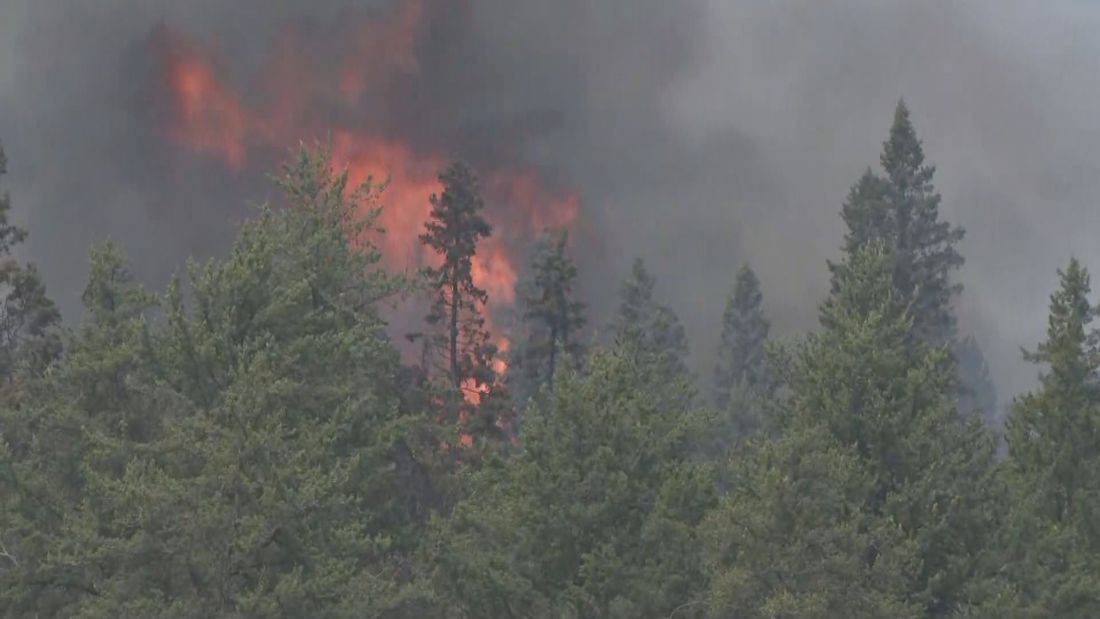
The recent slowing of the Lobstick Fire near Prince Albert has given provincial authorities room to breathe, but the official narrative of a contained situation masks a deeply fractured emergency response framework. While rain and changing winds over the weekend allowed the Saskatchewan Public Safety Agency (SPSA) to claim progress, the reality on the ground tells a story of systemic underfunding, infrastructure failure, and communication gaps that leave rural and First Nations communities vulnerable. The primary vulnerability is not the weather, but an emergency infrastructure failing under the weight of outdated logistics and bureaucratic friction.
As the Lobstick Fire jumped the North Saskatchewan River and consumed over 130 square kilometres, residents in nearby municipalities found themselves evacuated with little to no notice. The panic in rural municipalities like Shellbrook and Duck Lake highlights a recurring failure in the provincial warning apparatus. Emergency declarations fluctuate wildly between mandatory orders and vague alerts within a matter of hours, forcing livestock owners and families to make frantic, uncoordinated escapes.
The Paperwork Penalty in a Real Time Crisis
Emergency response requires immediacy. Yet, an investigation into Saskatchewan's disaster relief deployment reveals a rigid, archaic system that punishes the displaced. Following the unprecedented destruction of the previous fire season—which saw more than 10,000 residents evacuated and half of the northern community of Denare Beach reduced to ash—the provincial ombudsman exposed severe bottlenecks in how emergency aid is distributed.
Evacuees are routinely forced to rely on paper cheques and highly restrictive grocery store vouchers. When a family is forced to flee 20 kilometres outside of Prince Albert with nothing but the clothes on their backs, they do not need a piece of paper that requires a physical bank branch to clear. They need immediate capital.
The provincial government has repeatedly promised to transition to direct deposits and prepaid credit cards. These updates remain buried in administrative reviews while families fleeing the Lobstick and Cayford fires face the exact same financial limbo as those before them. The lack of speed leaves the most vulnerable citizens completely cut off from basic necessities like food, fuel, and emergency shelter.
The Hundred Million Dollar Disconnect in the Skies
Ground crews cannot fight an uncontained forest fire without aggressive aerial support. The effectiveness of Saskatchewan’s aerial fleet, however, has been compromised by procurement scandals and maintenance delays that have drawn the attention of the provincial auditor.
Saskatchewan Aerial Fleet Disparity
+-----------------------------+-------------------------------+
| Reported Fleet Capability   | Grounded / Disputed Status    |
+-----------------------------+-------------------------------+
| 4 New Water Bombers         | Overpaid by $100 Million      |
| Rapid Deployment Guarantee  | Maintenance & Inspection Lags |
+-----------------------------+-------------------------------+
| Paper-Cheque Relief Payouts | Weeks-Long Processing Delays  |
+-----------------------------+-------------------------------+
The province recently acquired four new water bombers to fortify its aging fleet. Industry experts and competitor manufacturers quickly pointed out that Saskatchewan taxpayers were billed double the market rate for these aircraft—an overpayment estimated at $100 million. While millions flow into questionable procurement contracts, local fire chiefs report that their municipal budgets lack the foundational resources needed for proactive fire mitigation and local equipment upgrades.
The planes themselves have frequently been sidelined by sudden inspection mandates and maintenance backlogs during peak fire activity. When the Lobstick Fire surged toward the Nisbet Forest, the response relied on a patchwork of local volunteers and overlapping jurisdictions rather than a seamless provincial shield.
The Fiction of Private Sector Forest Stewardship
A long-standing argument from provincial leadership maintains that modern industrial logging practices mimic natural wildfire cycles, naturally thinning out dense timber and reducing fuel loads. This is a profitable fiction.
Commercial logging operates on resource extraction, not ecological balance. Private forestry companies clear-cut profitable stands of timber but frequently leave behind vast fields of deadfall and volatile slash. These remnants dry out under the summer sun, turning cleared zones into highly combustible tinderboxes.
"A fire ban wouldn't necessarily have stopped this fire from happening. We are concerned—we are in immediate threat of wildfire in this province." — Community Safety Minister Michael Weger
By outsourcing forest management to private entities, the province has insulated itself from direct accountability. Local communities find themselves caught between a government that defers to industry regulations and corporations that treat community safety as a secondary compliance metric.
Broken Borders and Fractured Communication
The geographical realities of central and northern Saskatchewan mean that wildfires do not respect administrative boundaries. When fires push residents across provincial lines into Manitoba, the structural flaws of the SPSA become an interprovincial crisis. Evacuees fleeing past eastern borders have found themselves completely abandoned by Saskatchewan’s social services, unable to access emergency funds or housing support because the provincial systems fail to communicate across borders.
Closer to the front lines, the communication failure is even more acute. Ranchers and farmers regularly report receiving evacuation alerts hours after heavy smoke has already compromised their properties. The onus of safety has been completely shifted onto the individual. Neighbors are left to organize horse trailers, shuttle cattle, and establish ad-hoc fire breaks using personal bulldozers, all while waiting for definitive instructions from a distant command center in Regina.
A passing rainstorm may cool the embers of the Lobstick Fire, but the underlying structural drought remains. Temporary containment is not a policy victory. Until the province addresses the systemic failures within its procurement audits, updates its archaic emergency payout system, and reassesses its reliance on self-regulated forestry corporations, Saskatchewan will remain entirely dependent on the weather to save its towns from burning.