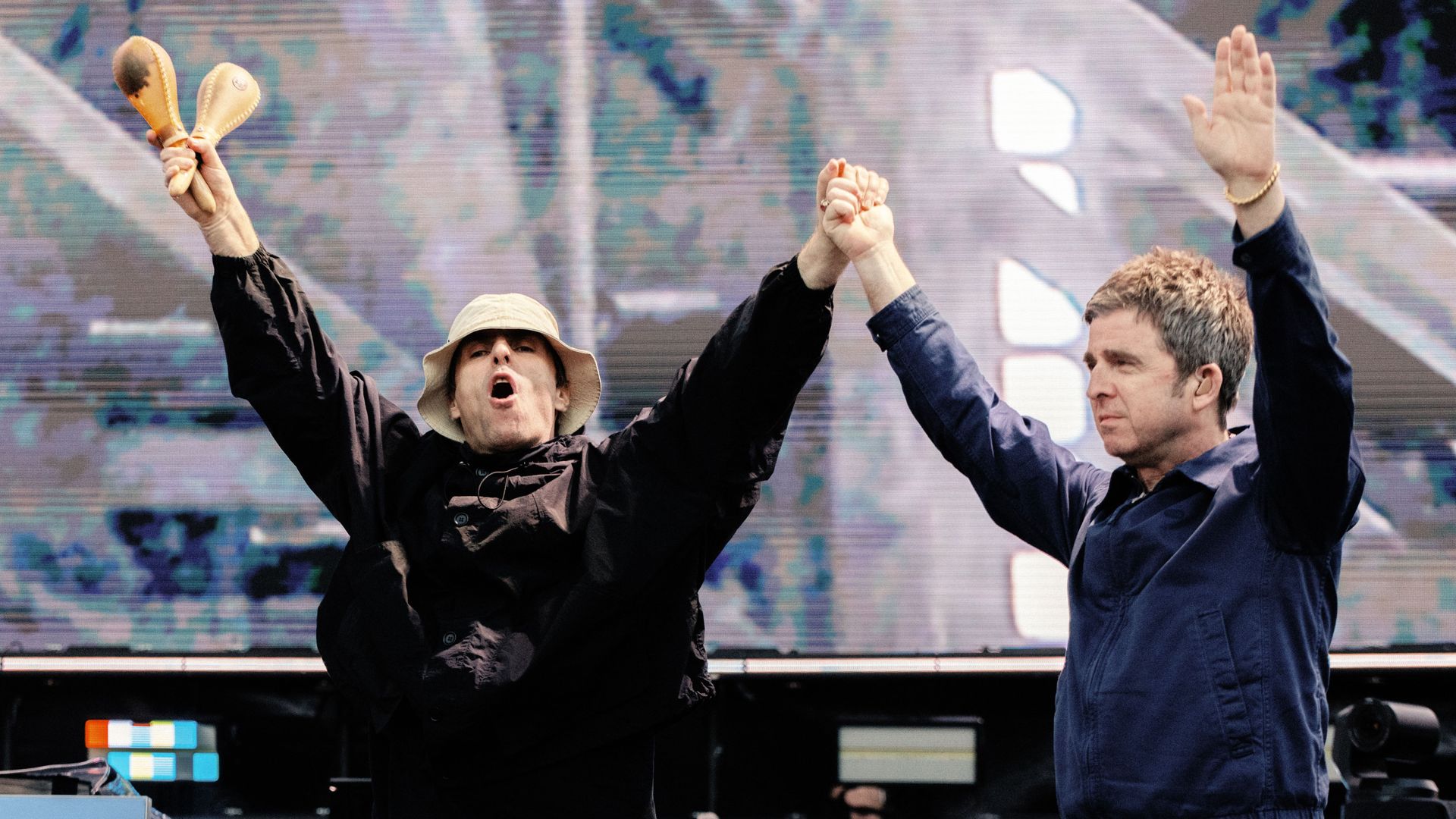
When Liam and Noel Gallagher finally buried their decade-and-a-half feud to announce a massive reunion run, millions of loyal followers flooded online queues in a desperate scramble for entry. What should have been a triumphant celebration of Britpop history quickly devolved into an unmitigated public relations disaster. Fans who logged on expecting standard ticket costs found themselves trapped in digital waiting rooms only to face hyper-inflated prices billed as "in demand" passes.
The ticketing rollout exposed a raw nerve regarding how modern concert economics operate behind closed doors. Standard face-value figures published prior to the sale vanished the moment high-volume traffic hit ticket platforms. Seats initially advertised at a reasonable baseline suddenly tripled in cost under algorithms designed to capture maximum consumer surplus. For an audience segment that spent fifteen years hoping for a reconciliation, the financial squeeze felt less like open commerce and more like targeted exploitation.
The core issue rests on an unyielding economic reality. The supply of seats inside venues like Wembley Stadium or Heaton Park is strictly finite. No matter how high demand climbs, additional physical capacity cannot be manufactured overnight. Economists frequently argue that when a scarce resource faces overwhelming demand, prices must either rise to clear the market or alternative rationing methods must take over. Yet when automated surge pricing mimics the worst practices of airline algorithms during a crisis, consumer trust evaporates.
Politicians and industry critics were quick to condemn the practice, framing the price surges as corporate greed enabled by near-monopolistic ticketing gatekeepers. Proposals to cap ticket costs or regulate secondary resale markets gained immediate traction among frustrated lawmakers. Free-market purists countered that political intervention ignores basic supply and demand principles, warning that artificial price caps merely drive the excess profit underground into an unregulated black market. Both arguments miss the structural failure embedded within the modern promoter-artist ecosystem.
Artists routinely underprice initial face-value tickets to project an image of accessibility and protect their core demographic. This historical practice creates a massive valuation gap. When the primary market undervalues a hot ticket, secondary brokers and automated algorithms step in to harvest the arbitrage. By adopting dynamic pricing directly, promoters attempted to capture that margin themselves rather than losing it entirely to professional scalpers using automated bots.
The miscalculation lay in transparency and timing. Fans were not warned ahead of time that standard admission tickets could mutate into luxury-tier purchases mid-queue. The psychological shock of watching a ticket quadruple in price after hours of waiting transformed excitement into fury. Subsequent tour dates saw promoters adjusting their strategies under immense regulatory scrutiny, abandoning automated surges for remaining allocations, but the structural damage to the fan contract was already absolute.
Beyond the ticketing portals, the reunion triggered localized economic shocks across host cities. Hospitality providers, boutique hotels, and transport networks surrounding the concert dates hiked their rates by astronomical margins. A single weekend in Manchester or Cardiff saw accommodation costs triple or quadruple, creating an environment where attending the shows required a significant financial investment well beyond the cost of admission.
The broader live entertainment sector now faces an uncomfortable reckoning. As blockbuster reunion tours become primary revenue drivers for aging legacy acts, the traditional social contract between musicians and working-class supporters is fracturing. When attending a stadium gig requires treating a weekend outing like a major financial asset purchase, the culture shifts away from community toward exclusivity.
The Gallagher brothers delivered the reconciliation the music world demanded, but the accompanying financial architecture laid bare an industry at war with its own audience. Fixing the broken mechanics of live event distribution will require far more than temporary political posturing or reactive price freezes. Until promoters bridge the gap between true market value and fan accessibility without resorting to algorithmic shock tactics, every major tour announcement will carry the bitter aftertaste of exploitation.