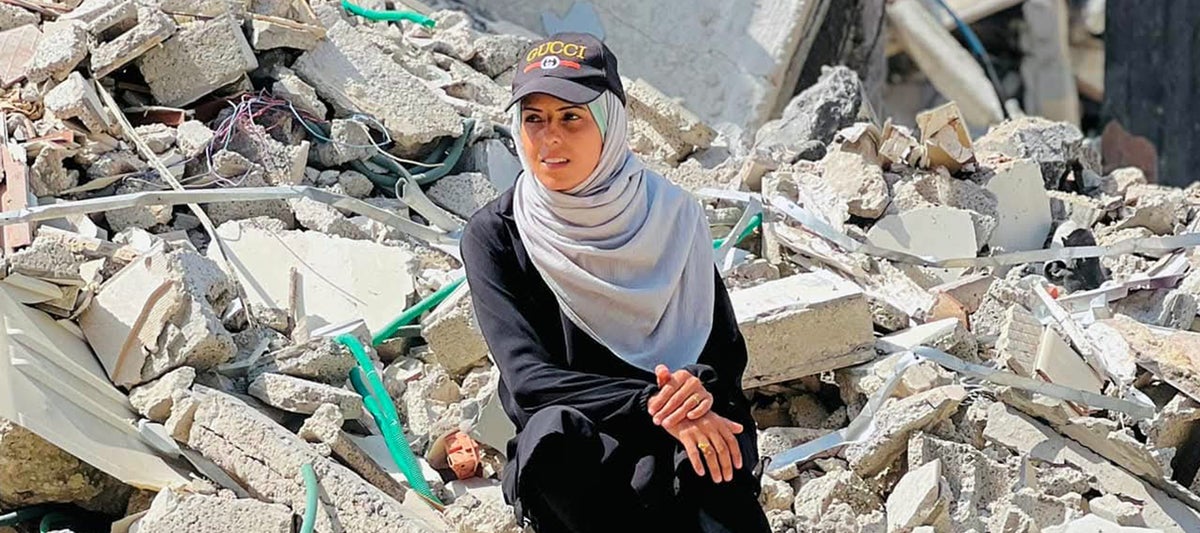
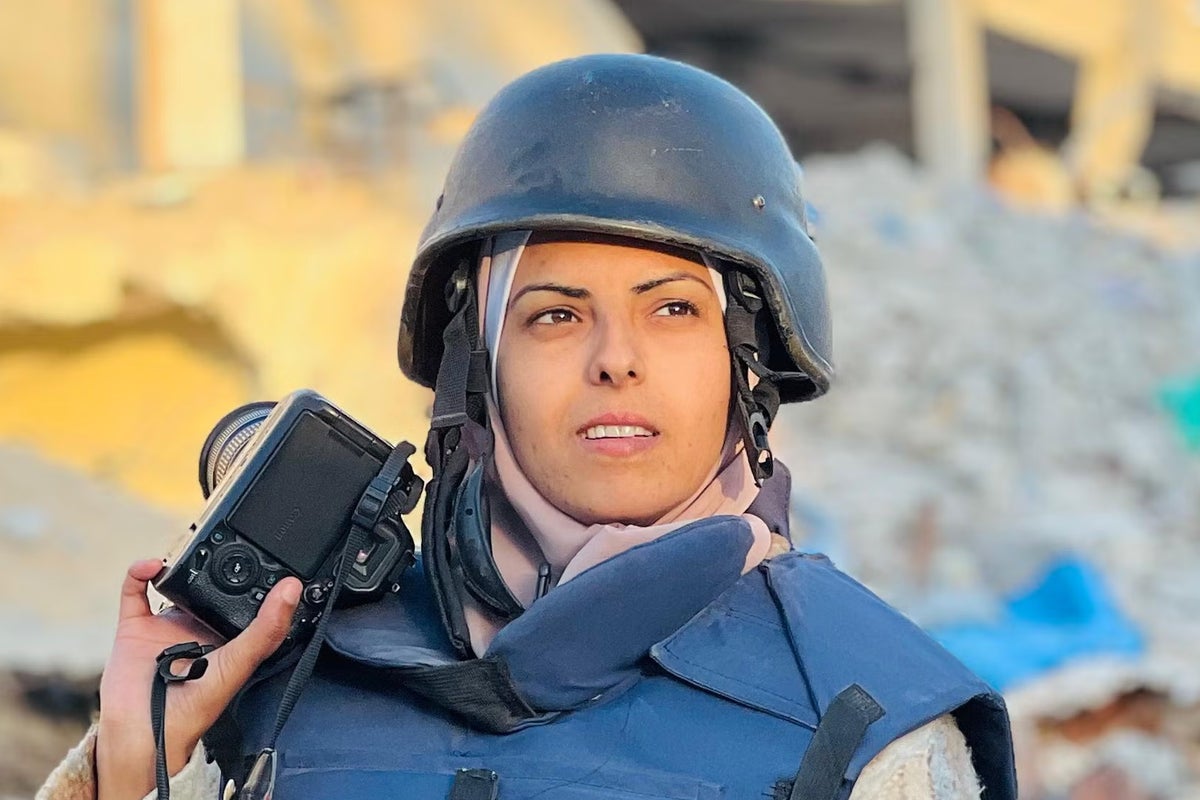
The collapse of public health infrastructure in Gaza has triggered an unprecedented sanitation crisis, forcing millions of displaced residents to abandon modern hygiene standards and resort to primitive, manual waste disposal methods. When municipal sewage networks fail entirely, the baseline requirements for human survival evaporate. People are no longer just fighting for food and clean drinking water; they are managing raw human waste manually in densely crowded tent camps, transforming temporary shelters into breeding grounds for infectious disease.
Municipal water pumping stations sit silent, stripped of fuel or reduced to twisted metal by military strikes. Without electricity to drive centralized treatment plants, gravity takes over in the worst possible way. Untreated sewage backs up into basements, spills onto asphalt, and runs through the open arteries of refugee encampments. This is not merely an inconvenience. It is an engineered systemic failure of civil infrastructure that carries immediate, catastrophic public health implications for the entire Eastern Mediterranean basin.
The Mechanics of a Complete Municipal Breakdown
Civil engineering relies on redundancy. Modern sanitation systems depend on a continuous loop of water pressure, electrical grid stability, chemical treatment supplies, and spare parts for mechanical pumps. Remove any single link, and the chain snaps. Remove all of them simultaneously, and society steps backward by two centuries in a matter of weeks.
Before the current escalation, Gaza operated several major wastewater treatment facilities alongside hundreds of localized pumping stations. These plants processed tens of thousands of cubic meters of effluent daily, discharging treated water or piping it for agricultural reuse. Today, those facilities are offline. Diesel imports remain tightly restricted or entirely blocked by border controls, starving backup generators of the fuel needed to keep heavy machinery running.
Without power, the primary collection networks choke. Gravity-fed trunk lines fill up quickly when nothing is pushing the volume forward or treating it at the terminal end. Manholes overflow in residential streets. Raw sewage flows directly toward the Mediterranean Sea, contaminating coastal fisheries, or pools in low-lying agricultural zones where families have pitched makeshift tents.
Engineers on the ground face an impossible math problem. They have no PVC piping, no solvent weld, no replacement impellers for pumps, and no heavy equipment to excavate ruptured main lines buried beneath rubble. Repairs are improvised using scraps of canvas, plastic sheeting, and sheer manual labor. A shovel and a bucket replace automated grit removal systems and UV disinfection channels.
Public Health Implications Beyond the Border
Pathogens do not respect military checkpoints or political borders. When millions of people live without functional latrines, soap, or clean water, waterborne and vector-borne illnesses spread exponentially. Public health officials tracking the region note a sharp surge in acute watery diarrhea, hepatitis A, typhoid, and skin infections like impetigo and scabies.
Hepatitis A is particularly insidious in environments where basic sanitation fails. The virus transmits via the fecal-oral route, typically through contaminated water supplies or food handled by infected individuals. In crowded camps where handwashing is a luxury permitted only to those who have managed to acquire a scarce bottle of drinking water, the virus sweeps through family units within days. Children bear the heaviest burden. Dehydration from acute diarrheal diseases remains a leading cause of pediatric mortality in disaster zones, acting quietly while attention focuses on trauma injuries from active combat.
Vector populations explode under these conditions as well. Open pools of stagnant wastewater serve as ideal breeding habitats for Culex mosquitoes and other vectors capable of transmitting pathogens. Rodents multiply rapidly in areas choked by uncollected solid waste and spilling septic pits. The combination of compromised immune systems from chronic malnutrition, lack of medical supplies, and constant exposure to raw sewage creates a volatile epidemiological cocktail.
International health organizations have warned repeatedly that localized epidemics inside the strip can easily cross international boundaries. Pathogens circulate freely through regional trade, travel, and environmental pathways, turning a localized infrastructure collapse into a broader regional security threat.
The Psychological Toll of Degraded Human Dignity
Infrastructure is more than concrete and cast iron; it is the physical manifestation of human dignity. Stripping a population of basic sanitation facilities inflicts a profound psychological wound that lingers long after physical injuries heal. Privacy, cleanliness, and bodily autonomy are fundamental human requirements. When those requirements are denied, the societal fabric frays.
Displaced families crammed into makeshift shelters describe the daily humiliation of managing basic biological needs without facilities. Women and girls face impossible choices when latrines are nonexistent, miles away, or completely unlit and unmonitored at night. Many resort to restricting their intake of food and water to minimize the need to use public spaces, compounding dehydration and malnutrition risks.
In a functioning society, waste management happens out of sight and out of mind, an invisible baseline that allows higher-order human activity to flourish. By forcing a modern, educated population to manage human waste by hand in open pits, the sanitation collapse inflicts a secondary form of trauma. It reduces survival to its most brutal, exhausting mechanical components. Every single day becomes an agonizing logistical campaign just to find a safe place to relieve oneself, wash a garment, or dispose of contaminated water.
As long as fuel embargoes, import restrictions on civil engineering materials, and active hostilities prevent the reconstruction of municipal water and sewage grids, the crisis will deepen. Temporary fixes like trucked water and shallow pit latrines are desperate stopgaps, not solutions. They buy time, but they cannot stop the slow, systemic poisoning of an environment trapped without an exit. The sanitation collapse is not a byproduct of the conflict; it is a primary driver of uninhabizability, ensuring that even if the shooting stops tomorrow, the land will remain toxic for generations