The Closed Doors of Zurich
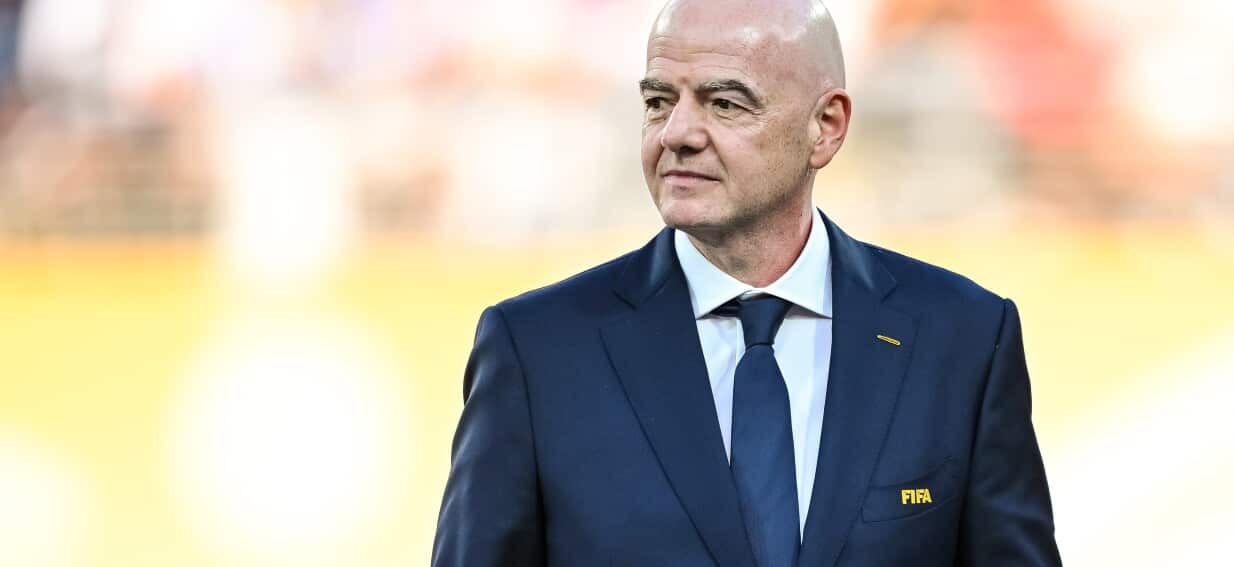
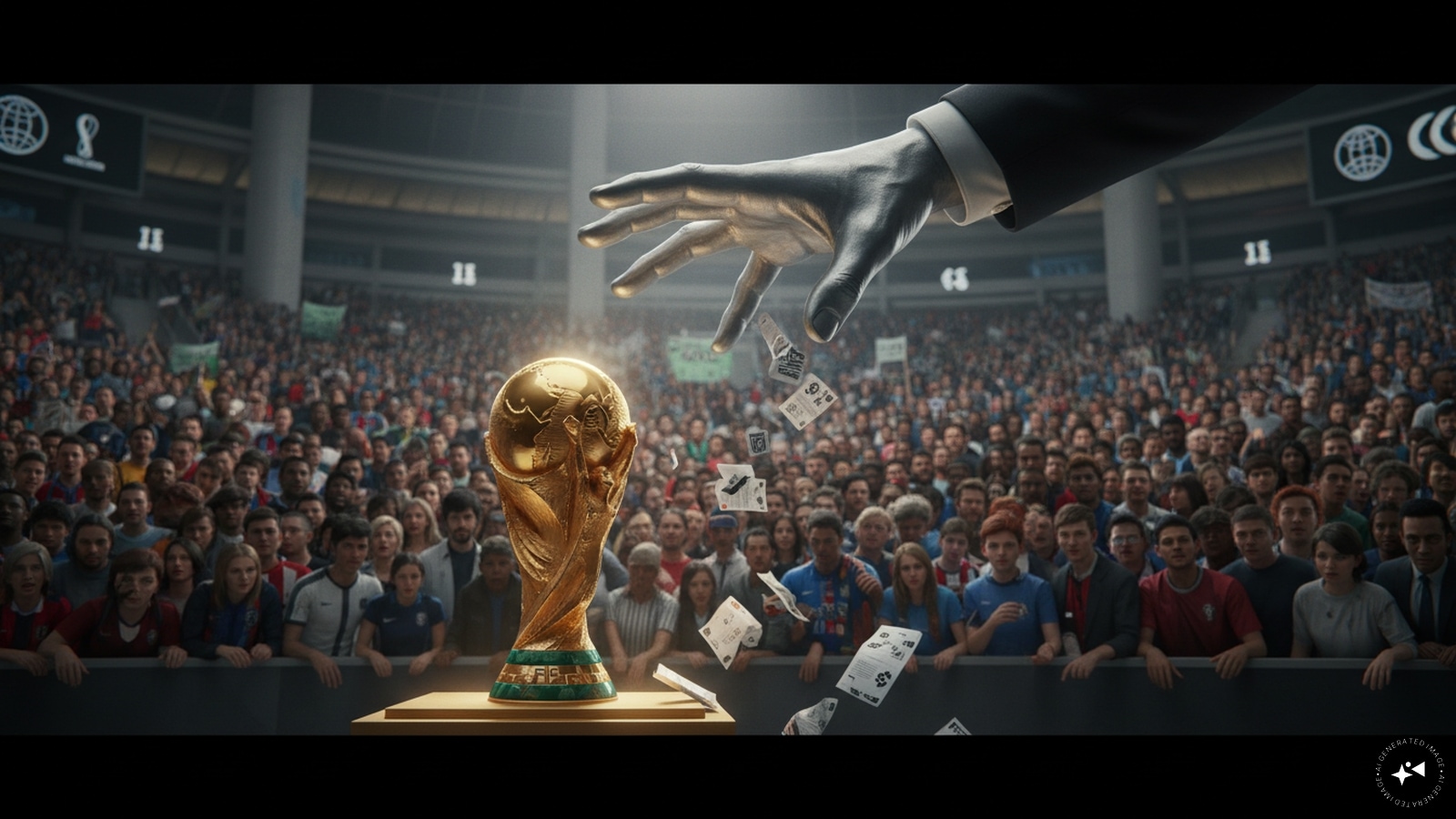
Power in international sport does not announce itself with trumpets. It arrives quietly, carried in the heavy briefcases of executives who treat multi-billion-dollar global tournaments like private equity portfolios. When Gianni Infantino attempted to quietly broker a multi-billion-dollar sale of a major equity stake in expanded FIFA competitions, he assumed the corridors of football governance would remain compliant. He was wrong. The backroom maneuvering backfired because it collided with a fundamental reality of European sports administration. You cannot auction off the crown jewels of international football without consulting the vassals who supply the players.
For years, the relationship between the governing body and major European clubs has been an uneasy alliance. FIFA needs the stars who draw the television ratings, and the clubs pay the astronomical wages of those stars. When Infantino sought private equity backing to fuel an expanded Club World Cup and a revamped international tournament calendar, the pitch was simple on paper. Cash injections for everyone. Independence from traditional broadcast models. A direct line to sovereign wealth funds and private equity giants eager for high-yield sports assets.
Yet, the execution exposed the widening chasm between Zurich and the traditional power centers of European football. The secret negotiations leaked, creating an immediate fracture. Stakeholders who expected consultation instead found themselves facing a fait accompli. This article unpacks the mechanics behind that spectacular miscalculation, examining the financial pressures driving FIFA, the fierce pushback from domestic leagues, and the structural vulnerabilities exposed when football governance meets Wall Street aggression.
The Economics of Expansion
To understand why Infantino pushed for outside capital, you have to follow the ledger. FIFA operates as a non-profit association under Swiss law, yet its operational footprint resembles a multinational conglomerate. The quadrennial men's World Cup generates the vast majority of its revenue, leaving a massive financial gap in the intervening years. To smooth out cash flows and increase global distribution, leadership identified club-level competitions as the ultimate growth frontier.
Enter the expanded Club World Cup. The tournament was designed to transform an underperforming mid-winter fixture into a 32-team summer blockbuster, rivaling the UEFA Champions League in prestige and commercial value. But staging a tournament of that scale requires immense upfront capital. Stadium upgrades, operational logistics, and, most importantly, massive prize pools are required to entice elite clubs to participate without reserve.
Infantino looked to external financiers to shoulder the burden and guarantee immediate profitability. Reports surfaced pointing toward a multi-billion-dollar package backed by private equity interests, offering an upfront liquidity injection in exchange for a slice of future commercial revenues.
- The upside for FIFA: immediate risk mitigation and guaranteed cash reserves.
- The upside for investors: a permanent, equity-linked toll booth on global club football.
- The glaring omission: the domestic leagues and player unions whose consent was treated as optional.
The Anatomy of a Backlash
Governance failures in modern sports rarely stem from a lack of ambition. They usually stem from a profound miscalculation of political gravity. When details of the private equity talks leaked to major media outlets, the reaction from European leagues was swift and unforgiving.
The European Leagues association, alongside FIFPRO, represents the entities that actually bear the operational weight of the sport. They do not view FIFA as an omnipotent ruler, but rather as an administrative coordinator whose legitimacy depends entirely on consensus. By attempting to bypass traditional committees and negotiate directly with sovereign and private financial entities, Infantino triggered institutional panic.
The counter-arguments were immediate and legally formidable. Critics pointed out several structural red lines:
- Calendar Congestion: Players are already pushed to physical breaking points. Adding a bloated summer tournament directly threatens the integrity of domestic league play and increases injury rates.
- Monopoly Concerns: European competition authorities have grown increasingly hostile toward closed-shop commercial structures. Super League memories remain fresh, and any move perceived as centralizing commercial control under external equity partners invites immediate antitrust scrutiny.
- Transparency Deficit: Member associations expect democratic oversight. A secret deal struck behind closed doors with private investors violates the basic tenets of sports governance transparency.
The backlash forced a rapid tactical retreat. Statements were softened, meetings were convened, and public relations teams scrambled to reframe the initiative as a consultative exploration rather than a done deal. But the damage was done. The veil had slipped, revealing an administration eager to monetize the global game at the expense of its established institutional architecture.
The Private Equity Playbook in Sport
Why are international sports governing bodies suddenly so eager to court private equity? The answer lies in the shifting dynamics of global wealth. Traditional television broadcast rights, long the lifeblood of football revenue, are plateauing in key Western markets. Streaming services are spending heavily, but they are also unpredictable, fragmented, and hesitant to commit to long-term inflation-linked escalators.
Private equity firms offer something different. They offer lump sums. They promise sophisticated digital monetization strategies, localized fan engagement apps, and dynamic pricing models that can squeeze every last cent out of emerging markets in North America, Asia, and the Middle East.
However, applying the private equity playbook to football is fundamentally different from buying a software company or a logistics firm. Football clubs and tournaments are cultural institutions rooted in local communities and century-old rivalries. When an investment fund buys a stake, they expect a return on investment that outpaces inflation. That return has to come from somewhere. It comes higher ticket prices, more matches, expanded broadcast windows, and a relentless commercialization of every square inch of green turf.
Infantino misjudged the breaking point of this dynamic. He treated football fans and domestic league executives as passive consumers rather than active stakeholders. When you treat a cultural ecosystem like an asset to be securitized without local buy-in, the system fights back.
The Road Ahead for Global Governance
The fallout from this botched financial maneuver leaves FIFA in a delicate equilibrium. The ambitions for a massive global club tournament remain, but the funding mechanisms have become significantly more complicated. Traditional broadcasters and sponsors are watching closely, unwilling to overpay for a product mired in political warfare between Zurich and the major leagues.
Furthermore, the legal landscape is shifting against centralized unilateralism. Recent European court rulings regarding sports monopolies have made it clear that governing bodies cannot abuse their regulatory power to block rival competitions or impose unapproved commercial structures without objective, transparent criteria.
Infantino remains a master of political survival. He commands deep loyalty among many smaller member associations across Africa, Asia, and Oceania, who view his leadership as a welcome counterweight to historical European dominance. But power in global football is tethered directly to the commercial engine room of Europe. If the engine stops, the entire vehicle stalls.
The attempt to sell a stake in the future of the World Cup was designed to cement an economic legacy. Instead, it exposed the limits of executive overreach in an era where institutional transparency and player welfare are non-negotiable demands. The ledgers may balance on a spreadsheet in Zurich, but the game is still played on grass, watched by millions who care more about tradition than return on investment.
The next time a billionaire consortium sits down across the table from football administrators, the price of admission will be infinitely higher. Not just in currency, but in trust. And trust, once squandered in secret negotiations, cannot be bought back at any valuation.