Climate change has intensified Europe's risk of drought, transforming seasonal dry spells into a chronic continental structural crisis. Rising global temperatures have disrupted Jet Stream stability, amplifying heatwaves and accelerating evapotranspiration across southern and central Europe. Yet blaming atmospheric shifts alone ignores a uncomfortable reality. Decades of poor water management, bloated agricultural subsidies, and outdated municipal infrastructure have stripped the continent of its natural resilience. Climate warming supplies the spark, but systemic mismanagement built the dry tinder that now threatens European food security, energy production, and industrial trade networks.
The scientific consensus is stark. According to data from the European Drought Observatory and the Joint Research Centre, recurrent moisture deficits no longer confine themselves to the Iberian Peninsula or the Mediterranean basin. Drought footprints now stretch routinely into northern latitudes, drying up major river arteries like the Rhine, Po, and Danube. Rain arrives in violent, short bursts that run off hard soil rather than replenishing deep subterranean aquifers. What atmospheric models predicted for mid-century is happening right now, exposed by an infrastructure network built for a climate that no longer exists.
The Atmospheric Engine Driving Continental Desiccation
The mechanics of this shift are grounded in thermodynamic laws. Warmer air holds more moisture—roughly seven percent more per degree Celsius of warming. This simple physics relationship creates a double-edged sword for Europe's hydrology.
When temperatures surge during spring and summer, the atmosphere draws moisture directly from plants and soil at unprecedented rates. This process, known as potential evapotranspiration, bakes the topsoil before summer rains can arrive. Simultaneously, atmospheric circulation patterns are stalling. The high-altitude winds of the Jet Stream, driven by the temperature difference between the Arctic and the equator, have weakened as the polar region warms at double the global average.
The result is atmospheric blocking. High-pressure ridges park over western and central Europe for weeks, deflecting rain-bearing Atlantic fronts northward toward Scandinavia. Beneath these stationary heat domes, soil moisture evaporates entirely. Once the soil dries out, the sun's energy no longer goes into evaporating water; instead, it directly heats the ground, amplifying surface temperatures in a vicious feedback loop.
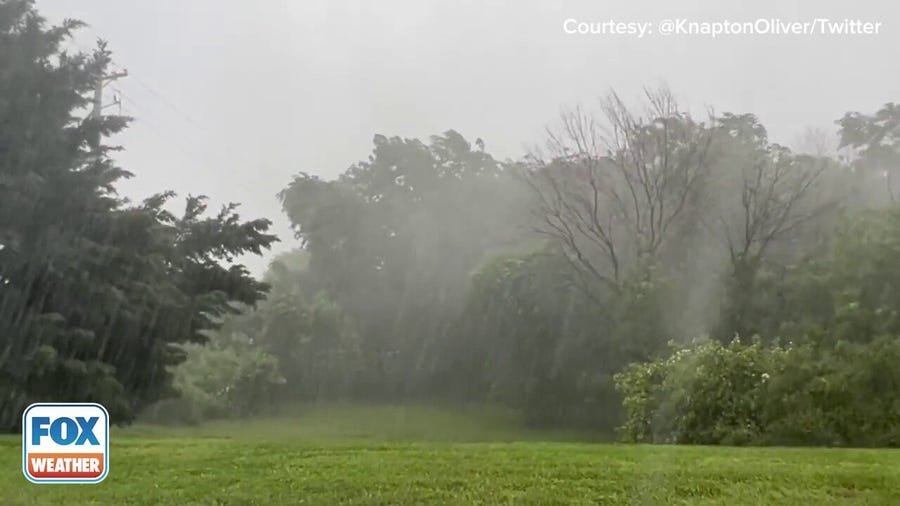
Rainfall patterns have fundamentally changed. Annual total precipitation across parts of Europe may remain relatively static on paper, but the distribution has fractured. Instead of months of steady soaking drizzle, regions face long stretches of arid heat interrupted by deluge events. Dry, compacted earth cannot absorb sudden torrential downpours. The water sheets off the surface, carving gullies and triggering flash floods while leaving deep aquifer reserves unreplenished.
How Subsidized Agriculture Bleeds the Aquifers Dry
Focusing exclusively on rainfall maps hides the largest consumer of European water. Agriculture accounts for nearly forty percent of annual water abstraction across Europe, rising to over eighty percent in southern member states during peak summer months.
European agricultural policy has long incentivized high-water crops in regions ill-suited for them. Heavy irrigation subsidies encourage the cultivation of thirsty crops like maize, rice, and fruit trees in naturally arid basins. Farmers drill deeper wells into ancient aquifers, pumping out groundwater that took thousands of years to accumulate.
Consider a hypothetical agricultural district in southern Europe. A farm growing thirsty annual crops receives subsidies tied purely to production volume rather than water efficiency. To maximize yield during a heatwave, the operator runs overhead spray sprinklers during the hottest hours of the afternoon. Up to half of that pumped groundwater evaporates into thin air before ever touching a root zone. The neighboring village finds its communal wells running dry three months later, yet the financial structure rewards the farm for its output.
Groundwater depletion is an invisible disaster. Unlike a drying reservoir or a bed of cracked mud in a riverbed, falling subterranean water tables give no visual warning until wells run dry or the ground physically sinks. Across the Po Valley in Italy and the Doñana region in Spain, illegal water extraction compounds the pressure from legitimate agricultural demands. Thousands of unauthorized boreholes siphon off subterranean reserves, outstripping natural recharge rates every single season.
The Hidden Cost of Concrete Rivers and Lost Hydrology
European engineering spent two centuries taming rivers to boost navigation, prevent local flooding, and claim floodplain land for development. Engineers straightened channels, encased banks in stone, and drained wetlands. They succeeded in moving water off the land as quickly as possible.
That historical success is now a disaster.
By turning natural river systems into concrete gutters, European nations stripped the land of its natural sponge capacity. In a natural ecosystem, meandering rivers overflow into broad floodplains during wet seasons. Wetlands, peat bogs, and forested riverbanks absorb excess water, slow its movement, and release it gradually into surrounding soils and aquifers over months of dry weather.
Modern channelized rivers do the exact opposite. They flush rainfall straight out to sea in a matter of days. When the rain stops, the river channel empties almost immediately because there are no surrounding wetlands left to feed it a steady supply of stored water. The Rhine, a critical economic artery for European freight transport, regularly drops to levels that force barges to cut their payloads by two-thirds or halt shipping altogether.
Energy generation suffers identical shocks. Hydroelectric dams across the Alps and Pyrenees run at reduced capacities when snowpack diminishes and summer runoff shrinks. Nuclear power plants along major French rivers are routinely forced to dial back electricity output during summer heatwaves because river water becomes too warm to cool reactors without killing aquatic ecosystems downstream.
The Infrastructure Leakage Shock
While farms draw down groundwater and rivers drain into the ocean, European cities lose astronomical volumes of treated drinking water through broken municipal pipe networks.
In several southern European countries, public water utility figures show that between thirty and fifty percent of treated drinking water leaks out of subterranean pipes before ever reaching a consumer tap. Ageing infrastructure, neglected maintenance budgets, and poor urban planning mean billions of liters of high-grade water wash uselessly into surrounding soil every day.
Metropolitan areas spend vast amounts of energy to purify water to drinking standards, only to lose half of it through cracked joints and corroded iron mains. Fixing these distribution grids requires immense capital expenditure that municipalities routinely defer. It remains politically easier to ration water to citizens during a summer emergency than to dig up miles of city streets to replace century-old piping.
Desalination plants present another tempting quick fix, particularly along the Mediterranean coastline. Yet desalination is extremely energy-intensive, expensive to operate, and produces concentrated brine runoff that damages coastal marine life if dumped improperly. Relying on desalination while allowing municipal supply pipes to leak forty percent of their contents is an exercise in futility.
The Failed Allocation Framework Across Borders
Water does not recognize national borders, but European water governance remains fragmented. Dozens of major European river basins cross international frontiers, creating intense friction over who owns the rights to diminishing flows.
Existing transboundary water treaties were drafted during cooler decades with far higher average river discharges. They rely on fixed volumetric allocations rather than flexible percentages based on real-time river conditions. When upstream nations dam rivers to fill their own agricultural reservoirs or fuel hydroelectric plants during a dry spell, downstream nations receive a fraction of historical flows.
Upstream dams trap sediment and restrict flow, triggering diplomatic tension over environmental degradation downstream. When upstream authorities release water to generate emergency power, it arrives in unnatural pulses that disrupt downriver ecosystems without solving chronic soil dryness. Without binding, dynamic cross-border management systems that adjust automatically to real-time hydrological data, regional water disputes will escalate from quiet administrative arguments into major economic conflicts.
Efforts to recycle wastewater remain stuck in regulatory red tape. Across the European Union, less than ten percent of reclaimed urban wastewater is reused in agriculture or industry. Bureaucratic hurdles, inconsistent safety standards between neighboring member states, and public reluctance to adopt recycled water schemes keep billions of gallons of clean effluent flowing into the sea every day.
Restoring Natural Sponges and Rethinking Demand
Fixing Europe's dry future requires abandoning the illusion that engineering more dams and deeper wells will solve a fundamental hydrologic deficit. The continent cannot engineer its way out of a changing climate using the same philosophies that caused the vulnerability.
The priority must pivot from supply expansion to demand destruction and natural retention. Re-meandering straightened rivers, restoring drained wetlands, and re-establishing natural floodplains allows water to sink back into soil layers rather than rushing out to sea. Netherlands-style "Room for the River" projects prove that giving waterways space to overflow recharges groundwater levels while simultaneously lowering peak flood risks for surrounding towns.
Agriculture requires an immediate structural overhaul. Crop subsidies must be decoupled from total output volume and tied directly to water conservation practices. Incentivizing low-water crops, expanding precision drip-irrigation networks, and covering open canals to stop evaporation are far cheaper than building emergency pipelines or paying out crop failure indemnities year after year.
Urban centers must transition to "sponge city" designs. Permeable paving, urban wetlands, and subterranean rain-harvesting cisterns allow cities to capture sudden storm events, filter the water naturally, and recharge local aquifers instead of overloading storm sewers. Cities that invest heavily in leak detection systems can instantly recover vast volumes of water without abstracting a single extra drop from stressed ecosystems.
Climate change has permanently altered Europe's hydrological reality, but human decisions dictate whether that shift results in manageable dry spells or total economic disruption. Continuing to treat water as an infinite resource while managing it with nineteenth-century infrastructure guarantees catastrophic failure the moment the next heat dome settles over the continent.