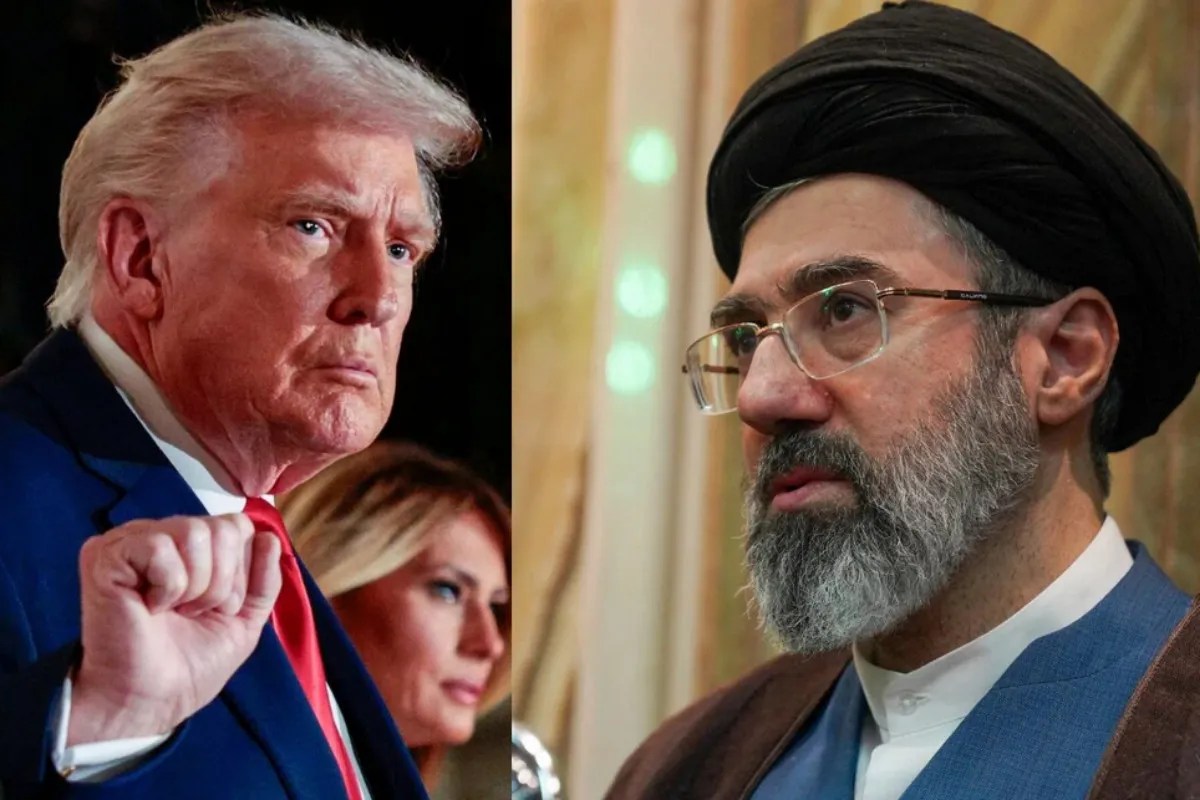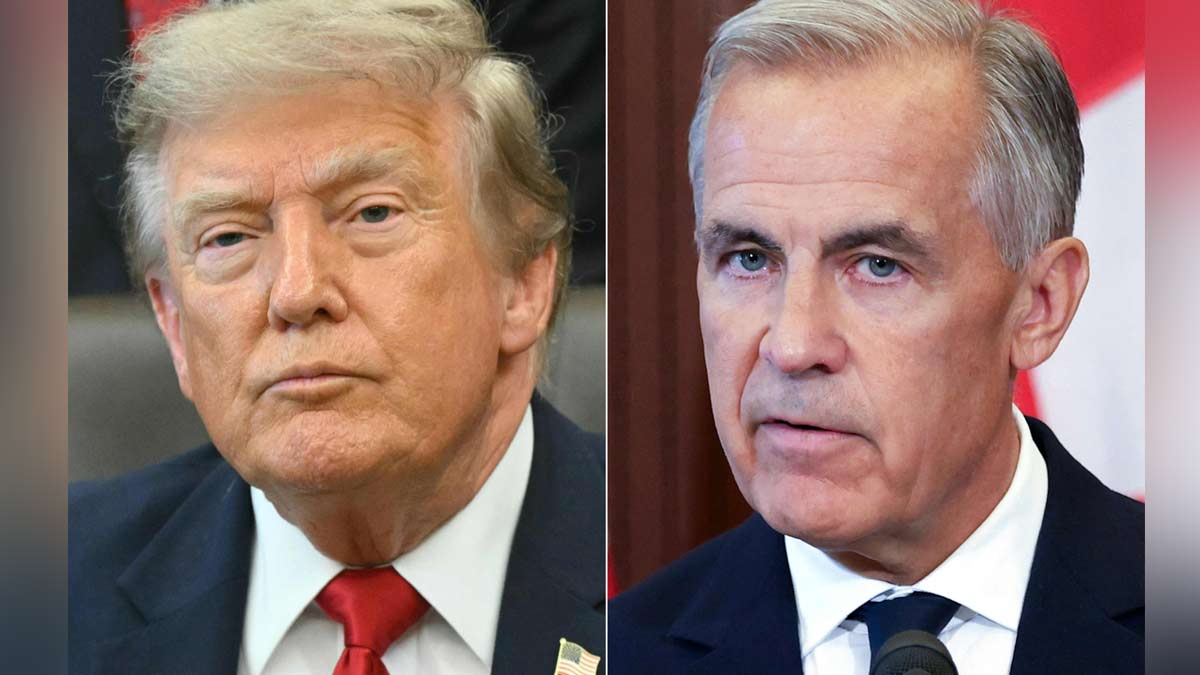
The United States is waging a financial siege against Tehran, promising the most crushing isolation campaign in modern history. Washington has declared an economic D-Day, threatening severe secondary penalties against any nation or corporate entity that provides a lifeline to Iran. In response, Tehran has drawn a hard red line, warning that regional neighbors and international actors who align with this US-led economic war will be treated as direct adversaries and face immediate retaliation.
This high-stakes collision between American financial dominance and Iranian asymmetric survival tactics exposes a dangerous structural flaw in modern statecraft. Sanctions are no longer just tools of diplomacy. They are blunt instruments of total economic warfare, and their secondary enforcement mechanisms are alienating traditional allies while pushing regional stability closer to the edge.
The Mechanics of Maximum Pressure
To understand why this strategy carries immense blowback, look at the architecture of the Treasury Department's enforcement machine. Treasury Secretary Scott Bessent has outlined a blueprint designed to completely sever Iran from global commerce. The core mechanism relies on dollar hegemony. Because the global financial system runs primarily through American clearinghouses, Washington possesses the extraterritorial muscle to lock any bank, shipping firm, or energy trader out of Western markets if they transact with Tehran.
Yet, decades of prior restrictions have already forced the Iranian state to adapt. An economy that has spent decades under heavy financial fire develops scar tissue. Black markets, shadow fleets of oil tankers with transponders disabled, and deep bilateral barter arrangements with major Asian economies form an alternative economic ecosystem.
When Washington threatens a new wave of total isolation, it assumes that targeted nations will capitulate out of fear of losing access to New York banks. That assumption ignores reality. Major trade partners like China and Russia operate outside the immediate gravity of Western financial control, building parallel financial messaging systems and energy trade routes precisely to insulate themselves from this exact brand of American pressure.
The Regional Crossfire
Tehran’s response has shifted from defensive posturing to explicit regional deterrence. Senior Iranian security officials have made it clear that neighboring states allowing their territories or ports to facilitate the US embargo will bear the cost. Gulf Cooperation Council countries, caught geographically and economically between Washington's security umbrella and Iran's ballistic and drone capabilities, face a nightmare scenario.
Compliance carries a heavy price. If local capitals bow to Washington and participate in sealing off Iranian channels, they risk inviting direct asymmetric retaliation, whether through targeted infrastructure disruptions, maritime harassment in the Strait of Hormuz, or cyber attacks on critical desalination and energy plants.
Consider a hypothetical scenario where a regional port authority seizes a cargo vessel suspected of violating the embargo under US pressure. Under the newly declared rules of engagement from Tehran, that port facility instantly transforms from a commercial hub into a legitimate strategic target for proxy or direct drone operations. Insurance rates for regional shipping spike overnight. Maritime traffic slows to a crawl, and local economies bear the brunt of a conflict fought on behalf of a distant superpower.
The Limits of Financial Superpower Status
The fundamental weakness of the White House strategy lies in diminishing returns. Each successive wave of maximum pressure strips away future leverage. When an adversary has little legal trade left to lose, the threat of further sanctions loses its coercive power.
Furthermore, European allies are increasingly exhausted by the secondary compliance burdens imposed by Washington's unilateral Middle East policies. Forcing multinational corporations to choose between trading with the American market or engaging in secondary markets creates deep resentment among traditional partners. It accelerates a multi-year global trend toward de-dollarization, as foreign central banks quietly diversify their reserves away from a currency weaponized for daily geopolitical coercion.
Tehran claims this financial assault amounts to a declaration of war against the entire international community, an overstatement for public consumption, but one that strikes a chord among nations wary of unchecked American extraterritorial reach. Washington is betting that financial suffocation will force a regime collapse or unconditional surrender at the negotiating table. History suggests otherwise. Hardened states under total siege typically double down on internal security, close political ranks, and externalize their pain through regional escalation. The economic D-Day has begun, but the collateral damage is already spreading far beyond the intended target