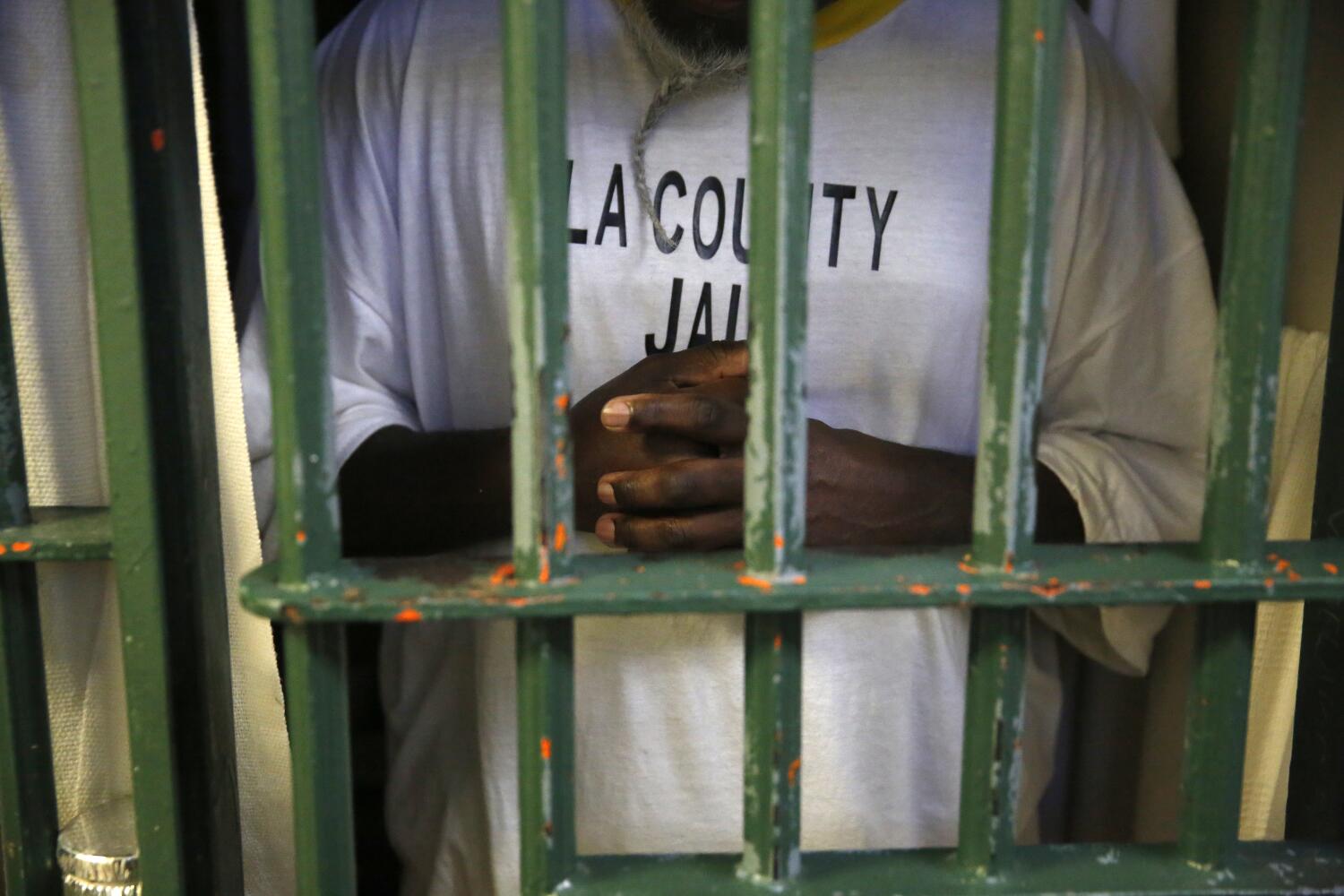
Los Angeles County supervisors moved to place a corrective charter amendment on the ballot to salvage Measure J, a landmark 2020 initiative requiring at least ten percent of unrestricted general funds to go toward alternatives to incarceration and community care. This scramble follows a massive administrative oversight where the county accidentally wiped out the spending floor while drafting structural government reforms under Measure G.
Bureaucracy rarely murders policy with a smoking gun. It usually uses a paper shredder, hidden deep inside the municipal bowels where nobody looks twice.
The story of how Los Angeles County managed to legally erase a multi-million-dollar commitment to jail alternatives and community investment by accident is a masterclass in administrative incompetence. It exposes a disconnect between high-minded political rhetoric and the fragile machinery of local governance.
The Original Mandate and the Drafting Oversight
Back in November 2020, voters approved Measure J, setting aside a mandatory baseline of locally generated unrestricted funds for housing, mental health treatment, and youth development. It was a bitter fight. Lawsuits stalled its initial rollout, political factions bickered over definitions, and county officials dragged their feet. Yet, the foundational principle remained anchored in the county charter.
Then came Measure G in 2024. Marketed as a comprehensive governance overhaul to expand the Board of Supervisors, establish an independent ethics commission, and create an elected executive, Measure G was meant to modernize a county of ten million residents.
There was just one catch. When county lawyers drafted the text for Measure G, they relied on a version of the county charter that omitted Measure J entirely due to an earlier clerical failure to update the document. When Measure G passed, it overwrote the space where Measure J lived. Without corrective action or judicial intervention, the spending floor for jail alternatives was scheduled for complete repeal by 2028, just as the new executive powers take effect.
The Mechanics of Institutional Erasure
To understand how a drafting error of this magnitude happens, one must look at how municipal policy is manufactured. County draftsmen operate in silos. Legal teams review amendments against current text without cross-referencing historical archives of stalled or delayed implementation battles.
When the error surfaced through an advisory task force, it triggered panic among equity advocates and supervisor sponsors alike. A coalition known as Californians United for a Responsible Budget filed a lawsuit employing a creative legal theory: that two systemic administrative blunders essentially canceled each other out, leaving both measures intact.
Courts move slowly. Ballots do not. Relying on judicial rescue is a dangerous gamble for a county administration that has already proven incapable of keeping track of its own constitutional amendments.
The Stakes for Care First Policies
The scramble to restore the funding baseline is not just about correcting a typo. It speaks to a deeper ideological fault line running through Los Angeles. For decades, the county poured the vast majority of its discretionary revenue into traditional law enforcement and a crumbling, overcrowded jail system.
Measure J was designed to break that cycle by forcing a pivot toward community-based interventions. When administrative negligence threatens to undo millions in funding for housing and substance abuse treatment, trust in local leadership evaporates. Skeptics point to the mishap as proof that institutional bureaucracy will always find a backdoor method to starve alternative programs of resources.
The upcoming ballot measure is meant to plug the leak, but it also highlights the vulnerability of direct democracy when entrusted to administrative handlers who treat charter text like a rough draft. If the county cannot accurately compile its own foundational laws, the promise of reform remains nothing more than ink on a flawed page.